
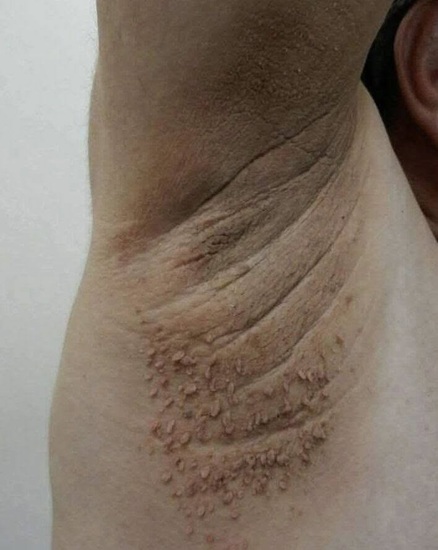
A dark patch on the back of the neck, under the arms, or in another skin fold can easily be mistaken for dirt, irritation, or a temporary change in pigmentation. If the area does not disappear with normal washing and feels thicker or unusually velvety, one possible explanation is a condition called acanthosis nigricans. This skin change can sometimes be associated with an underlying health issue, but it is important not to jump to conclusions based on appearance alone.
Acanthosis nigricans usually causes areas of skin to become darker and somewhat thicker than the surrounding tissue. The texture may feel soft, slightly raised, or velvety rather than dry or flaky. The color can vary from light brown to much darker shades depending on a person’s natural skin tone. The changes often develop slowly, which means some people do not notice them immediately.
The most common locations are areas where skin naturally folds. These include the back and sides of the neck, the armpits, and the groin. In some cases, similar changes can appear on the elbows, knees, knuckles, lips, palms, or soles of the feet. Small skin tags may also occur in the affected areas.
One common misunderstanding is that the darkened skin is simply dirty. Because of the appearance, some people scrub the area repeatedly in an attempt to remove it. However, acanthosis nigricans is a change in the skin itself, not a layer of dirt sitting on top of it. Aggressive scrubbing can irritate the skin and may make the area feel more uncomfortable.
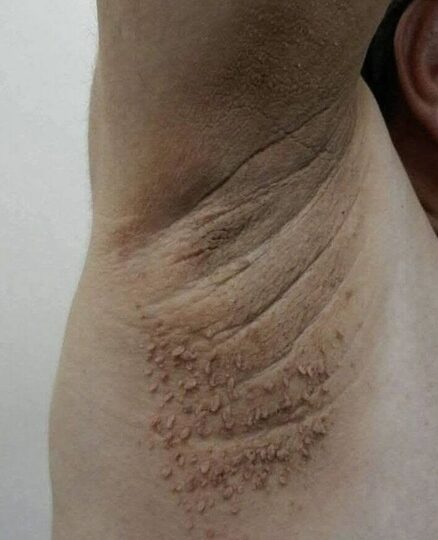
Acanthosis nigricans should also not be treated as a diagnosis of one specific disease. It is better understood as a physical sign that can appear for several different reasons. A healthcare professional may consider a person’s medical history, medications, family history, body weight, and other symptoms before deciding whether testing is needed.
One of the most common associations is insulin resistance. Insulin is the hormone that helps glucose move from the bloodstream into the body’s cells. When cells become less responsive to insulin, the pancreas may produce larger amounts of it in an effort to keep blood sugar under control. Elevated insulin levels are strongly associated with acanthosis nigricans in many people.
Because of that connection, the condition can sometimes appear in people with prediabetes, type 2 diabetes, or other forms of metabolic dysfunction. Still, seeing a dark patch on the neck does not mean someone definitely has diabetes. Blood tests are needed to determine whether blood sugar regulation is actually abnormal.
Body weight can also play a role because insulin resistance is more common among people who are overweight or obese. However, acanthosis nigricans is not limited to people with larger bodies. Someone can develop it at a lower body weight, and there are several other causes unrelated to weight.
Hormonal conditions can also be involved. Disorders such as polycystic ovary syndrome, an underactive thyroid, or problems involving the adrenal glands may sometimes be associated with acanthosis nigricans. This is one reason healthcare professionals may look beyond blood sugar when evaluating someone with unexplained skin changes.
Certain medications and supplements have also been linked to the condition. These may include high-dose niacin, corticosteroids such as prednisone, some hormonal medications, and treatments that affect growth-related hormones. Anyone who notices new skin changes after starting a medication should talk with a healthcare professional rather than stopping the treatment on their own.
There are also inherited forms of acanthosis nigricans. In some families, the condition can appear because of genetic factors and may begin in childhood. In those cases, the skin changes may not be related to diabetes, body weight, or another newly developed illness.
A much rarer possibility is an association with certain cancers. This can sound frightening, but it is important to keep the risk in perspective. Most cases of acanthosis nigricans are not caused by cancer. When cancer-related acanthosis nigricans does occur, the skin changes may appear suddenly, spread quickly, or involve unusual locations.
For that reason, a new patch that develops rapidly or becomes widespread should be evaluated medically. A healthcare professional can determine whether the appearance fits acanthosis nigricans and whether additional testing is appropriate. The goal is not to assume the worst but to understand what may be causing the change.
In many cases, a clinician can recognize acanthosis nigricans through a physical examination. They may ask when the patches first appeared, whether they are spreading, what medications are being taken, and whether there are other symptoms. Depending on the situation, blood tests may be recommended.
If insulin resistance or diabetes is a concern, common tests may include fasting blood glucose or an A1C test. These tests provide meaningful information about blood sugar control. They are much more reliable than trying to make a diagnosis from the appearance of the skin.
Treatment depends on the underlying cause. There is no single treatment that works for every person with acanthosis nigricans. If insulin resistance is involved, improving metabolic health may help the skin gradually become lighter or less thick over time.
For some people, that may involve changes in eating patterns, regular physical activity, weight management, or medication prescribed by a healthcare professional. The appropriate approach depends on the person’s overall health and should not be reduced to extreme dieting or rapid weight-loss advice.
If a medication is contributing to the skin changes, a doctor may consider whether an adjustment is appropriate. That decision should always be made medically. Stopping a prescription suddenly without guidance can create more serious problems than the skin condition itself.
Some people also seek treatment because the appearance bothers them cosmetically. A dermatologist may recommend prescription creams or other treatments to improve texture or pigmentation. These options can be useful, but they should not replace evaluation of the underlying cause.
Gentle skin care is usually a better choice than harsh scrubbing. Mild cleansers, simple moisturizers, and avoiding unnecessary friction can help reduce irritation. Strong bleaching products, abrasive sponges, or aggressive chemical treatments may make the skin more sensitive without addressing the reason the pigmentation developed.
It is also useful to pay attention to other symptoms that may occur at the same time. Increased thirst, frequent urination, unexplained weight changes, unusual fatigue, or blurred vision can sometimes occur with blood sugar problems. These symptoms do not confirm diabetes either, but they are another reason to seek medical evaluation.
Visible skin changes can also have an emotional effect. Some people feel embarrassed because others assume the darkened areas are caused by poor hygiene. That assumption is inaccurate and can be harmful. Acanthosis nigricans is not evidence that someone is unclean.
The safest approach is therefore neither panic nor neglect. If a dark, velvety patch is new, persistent, rapidly changing, or spreading, showing it to a healthcare professional is a sensible next step. A clinician can determine whether it is acanthosis nigricans or another skin condition and decide what testing, if any, is needed.
The main message is simple: skin can sometimes provide clues about what is happening elsewhere in the body, but those clues need proper interpretation. Acanthosis nigricans can be associated with insulin resistance and several other conditions, yet it cannot diagnose any of them by itself.
Recognizing the pattern can be useful because it may encourage someone to seek appropriate care earlier. At the same time, responsible health information should avoid presenting dark neck patches as proof of diabetes, cancer, or another serious illness. The appearance is a reason to investigate, not a reason to assume.
With the right evaluation, many people can identify the underlying cause and manage it effectively. In some cases, the skin may also improve as the contributing health issue is addressed. Paying attention to persistent changes is worthwhile, but the most useful response is accurate medical assessment rather than fear or self-diagnosis.

