
Getting enough quality sleep is one of the most important factors in maintaining good physical and mental health. During sleep, the body performs countless essential functions, including repairing tissues, regulating hormones, strengthening the immune system, and supporting healthy brain activity. While many people focus on how many hours they sleep each night, sleep specialists say that other factors—including sleeping position—can also influence how rested and comfortable a person feels the next morning.
Although no single sleeping position is ideal for everyone, scientific research has shown that certain positions may provide specific health benefits for particular individuals, especially those living with digestive conditions such as acid reflux. Medical researchers have spent years studying how body position during sleep affects digestion, breathing, circulation, and spinal alignment.
Among the different sleeping positions, lying on the left side has received considerable attention because of its potential benefits for people who experience nighttime heartburn or gastroesophageal reflux disease (GERD). At the same time, experts emphasize that sleeping position is only one factor influencing sleep quality, and recommendations should always be considered alongside an individual’s overall health, medical history, and advice from healthcare professionals.
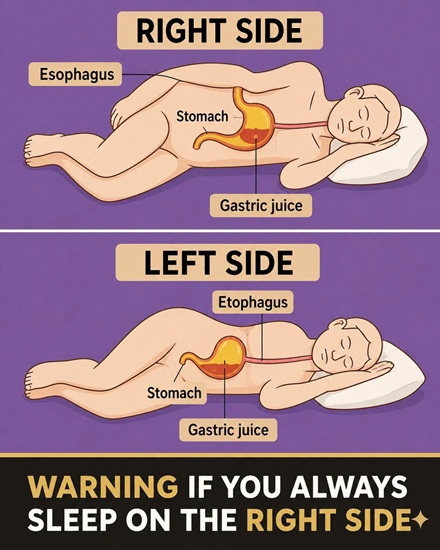
The reason left-side sleeping may help some people is closely related to the body’s natural anatomy. The stomach is located primarily on the left side of the upper abdomen, and the esophagus connects to the stomach through a muscular valve known as the lower esophageal sphincter. This valve normally prevents stomach contents from flowing backward into the esophagus. When functioning properly, it acts as a barrier that keeps stomach acid where it belongs. However, in people who experience acid reflux, this barrier may become less effective, allowing stomach acid to travel upward and cause symptoms such as heartburn, a sour taste in the mouth, or discomfort during the night.
According to medical studies, sleeping on the left side allows gravity to help keep stomach contents below the lower esophageal sphincter. Because of the stomach’s position within the body, this sleeping posture may reduce the likelihood of acid moving back into the esophagus during sleep. Researchers have found that many people with GERD experience fewer episodes of nighttime reflux when sleeping on their left side compared with sleeping on their right side. Although this adjustment does not cure reflux disease, it may help reduce symptoms for some individuals when combined with appropriate medical treatment and healthy lifestyle habits.
For people who regularly experience heartburn, improving sleep position can become one part of a broader management plan. Healthcare professionals often recommend avoiding large meals shortly before bedtime, maintaining a healthy body weight when appropriate, limiting alcohol intake, avoiding tobacco products, and discussing persistent symptoms with a physician. Sleeping on the left side may complement these strategies, but experts caution that lifestyle changes should not replace professional medical evaluation when symptoms are frequent or severe. Persistent reflux may require medication or additional testing to determine its underlying cause.
Left-side sleeping has also been associated with other potential benefits in specific situations. During pregnancy, for example, healthcare providers often recommend sleeping on the left side because it may help optimize blood flow to the uterus and kidneys while reducing pressure on major blood vessels. This position may also improve circulation and reduce swelling in some pregnant individuals, although recommendations can vary depending on each person’s medical circumstances. Pregnant women should always follow the guidance provided by their own healthcare professionals regarding the safest sleeping positions throughout pregnancy.
Some people also find that side sleeping provides greater comfort for the spine when combined with proper pillow support. Keeping the head, neck, and shoulders aligned can reduce unnecessary strain on muscles and joints throughout the night. Placing a pillow between the knees may further improve spinal alignment for side sleepers by helping maintain a more neutral position for the hips and lower back. These adjustments may contribute to better overall comfort and reduce stiffness upon waking, although the ideal arrangement differs from person to person depending on body type and existing musculoskeletal conditions.
It is equally important to recognize that sleeping on the right side is not considered harmful for most healthy people. Many individuals naturally prefer this position and experience no digestive symptoms whatsoever. While research suggests that left-side sleeping may reduce nighttime acid exposure in people with reflux disease, there is no evidence that healthy individuals who sleep on their right side are placing themselves at significant health risk solely because of that sleeping position. Personal comfort, existing medical conditions, and individual sleep needs remain the most important factors when selecting the position that allows for restful and restorative sleep.
Finally, experts emphasize that sleep quality depends on many habits beyond sleeping position alone. Maintaining a consistent bedtime schedule, creating a quiet and comfortable sleeping environment, limiting caffeine late in the day, avoiding heavy meals shortly before bedtime, and using supportive bedding all contribute to healthier sleep. Together, these habits can improve rest, promote overall well-being, and help people wake up feeling more refreshed, regardless of whether they naturally sleep on their left side, right side, or another comfortable position.
While sleeping on the left side may offer advantages for some people, healthcare professionals emphasize that there is no single sleeping position that is ideal for everyone. Individual needs vary depending on age, overall health, pregnancy, existing medical conditions, and personal comfort. For many healthy adults, sleeping on either side can provide restful sleep without causing health concerns. The most important goal is to maintain a comfortable position that supports proper spinal alignment while allowing uninterrupted, restorative sleep throughout the night.
For individuals living with gastroesophageal reflux disease (GERD) or frequent nighttime heartburn, physicians often recommend combining positional changes with other evidence-based lifestyle habits. These may include avoiding large meals within two to three hours before bedtime, reducing foods that commonly trigger reflux symptoms, maintaining a healthy weight when appropriate, and following prescribed treatment plans if medication has been recommended. Sleeping on the left side may complement these strategies, but experts note that it should not be viewed as a substitute for professional medical care when symptoms occur regularly or become more severe.
Creating a healthy sleep environment can also play an important role in improving overall sleep quality. Sleep specialists commonly recommend using a supportive mattress and pillow that help keep the head, neck, and spine in a neutral position. A cool, quiet, and dark bedroom may help promote deeper sleep by reducing unnecessary disturbances during the night. Limiting exposure to bright screens before bedtime and establishing a consistent sleep schedule can also support the body’s natural sleep-wake cycle, making it easier to fall asleep and wake up feeling refreshed.
People who prefer sleeping on their side may benefit from small adjustments that improve comfort. Placing a pillow between the knees can help reduce pressure on the hips and lower back by keeping the spine properly aligned. Choosing a pillow that adequately supports the neck may reduce stiffness or discomfort upon waking. These simple changes are frequently recommended by physical therapists and sleep specialists because they may improve comfort without requiring significant changes to a person’s normal sleeping habits.
Experts also encourage people to pay attention to persistent symptoms that occur during sleep. Frequent heartburn, repeated episodes of choking or coughing at night, loud snoring accompanied by pauses in breathing, unexplained chest discomfort, or ongoing daytime fatigue should be discussed with a qualified healthcare professional. These symptoms may indicate conditions such as gastroesophageal reflux disease, obstructive sleep apnea, or other medical issues that require proper evaluation and treatment. Early diagnosis can often improve symptom management and reduce the risk of long-term complications.
Scientific research continues to explore the relationship between sleep position and overall health. While studies have identified benefits of left-side sleeping for certain groups, researchers also emphasize that sleep quality depends on many interacting factors rather than a single habit. Physical activity, nutrition, stress management, regular sleep schedules, and appropriate medical care all contribute to healthy sleep. Because every person’s health profile is different, recommendations should be individualized whenever possible and discussed with a healthcare provider if ongoing concerns exist.
It is also important to recognize that occasional discomfort after sleeping does not necessarily indicate a serious health problem. Temporary muscle stiffness, mild indigestion, or an uncomfortable sleeping position can affect almost anyone from time to time. However, symptoms that become frequent, progressively worsen, or interfere with daily activities deserve medical attention. Rather than relying solely on internet advice or social media discussions, individuals experiencing persistent health concerns should seek guidance from qualified healthcare professionals who can evaluate their specific circumstances.
Ultimately, sleeping position is one of several lifestyle factors that can influence comfort, digestion, and sleep quality. Current medical evidence suggests that sleeping on the left side may reduce nighttime acid reflux for many people with GERD, while healthy individuals who are free of reflux symptoms can generally choose the position that allows them to sleep comfortably. Maintaining good sleep habits, following evidence-based medical advice, and addressing persistent symptoms promptly remain the most reliable ways to support long-term health. By combining healthy routines with personalized medical guidance when needed, most people can improve both the quality of their sleep and their overall well-being.

