
For many people, having a sun-kissed complexion is associated with vacations, outdoor activities, and a healthy appearance. The popularity of bronzed skin has influenced fashion, beauty trends, and cosmetic products for decades, leading countless individuals to search for ways to achieve a darker skin tone throughout the year. While some people naturally tan after spending time outdoors, others turn to sprays, lotions, self-tanning products, or other methods in an effort to recreate the same look.
However, health experts continue to emphasize that not every tanning method carries the same level of safety, and some approaches may involve significant health risks. Medical organizations have spent many years educating the public about the dangers of excessive ultraviolet (UV) radiation. Whether the exposure comes from natural sunlight or artificial tanning beds, prolonged UV exposure has been linked to premature skin aging, sunburn, eye damage, and an increased risk of several forms of skin cancer, including melanoma.
Because of these well-established risks, dermatologists generally encourage people to protect their skin through sunscreen, protective clothing, and limiting unnecessary exposure to intense sunlight, particularly during the middle of the day. As awareness of UV-related risks has grown, some individuals have searched for alternatives that they believe may allow them to achieve a darker skin tone without spending long periods in the sun.
Among the products that have attracted attention online is Melanotan II, a synthetic peptide that has been promoted on various websites and social media platforms. It is sometimes marketed under informal names such as the “Barbie drug” or the “vacation peptide.” According to medical experts, however, these marketing terms can create misleading impressions about the product’s safety or effectiveness and should not be interpreted as scientific descriptions.

Melanotan II is a laboratory-produced peptide designed to stimulate melanocortin receptors involved in the body’s production of melanin, the natural pigment responsible for skin, hair, and eye color. Increasing melanin production may result in darker skin pigmentation in some users. However, experts emphasize that a darker skin tone produced by increased melanin should not be interpreted as complete protection against ultraviolet radiation. Dermatologists continue to recommend appropriate sun protection regardless of an individual’s natural or acquired skin color.
Unlike approved prescription medications that undergo extensive clinical testing before becoming available to the public, Melanotan II has not been approved as a medicine by major health authorities such as the U.S. Food and Drug Administration (FDA) or the UK’s Medicines and Healthcare products Regulatory Agency (MHRA). In many countries, it is illegal to market the product for human use, and health agencies have repeatedly warned consumers about purchasing unregulated injectable or nasal products sold through unofficial online sources. Because manufacturing standards may vary significantly, experts also note that buyers cannot always verify the purity, ingredients, or quality of products advertised on the internet.
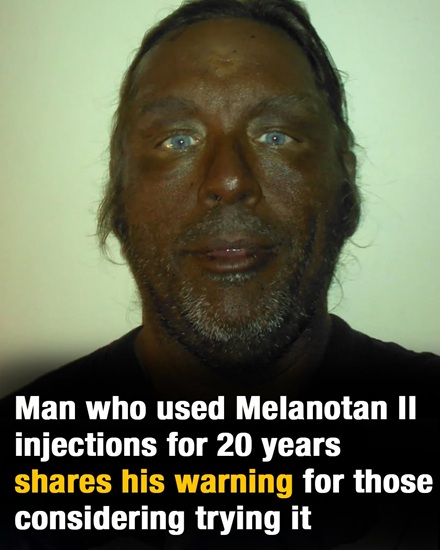
Despite repeated warnings from health authorities, discussions about Melanotan II continue to appear on online forums, video platforms, and social media communities where users sometimes share their personal experiences. One frequently discussed example involves a Reddit user who has publicly stated that he has used Melanotan II for many years while documenting changes in his skin tone. It is important to recognize that these posts represent personal experiences rather than scientific evidence. Individual accounts cannot establish whether a product is safe, effective, or appropriate for others, as personal outcomes may differ considerably and may not reflect the experiences of the wider population.
One aspect of that user’s posts has nevertheless drawn attention because it aligns with advice given by medical professionals. He cautioned readers against assuming that darker skin automatically provides complete protection from ultraviolet radiation. According to his own posts, one of the biggest mistakes he observed was people believing that after their skin became darker, they could immediately spend extended periods in the sun without risk. He emphasized that Melanotan II, in his personal opinion, should not be viewed as a substitute for proper sun protection. While this reflects one individual’s experience rather than medical guidance, dermatologists similarly advise that increased pigmentation does not eliminate the need for sunscreen or other protective measures.
Health experts consistently explain that melanin and sun protection are related but not equivalent. Although melanin naturally helps absorb some ultraviolet radiation, it does not prevent sunburn or eliminate the long-term risk of UV damage. Even individuals with naturally darker skin can experience sunburn, premature skin aging, and skin cancer. For this reason, public health organizations continue recommending broad-spectrum sunscreen, protective clothing, sunglasses, and limiting unnecessary exposure to intense sunlight regardless of skin tone.
Another major concern surrounding Melanotan II involves its potential side effects. According to information published by the UK National Health Service (NHS) and other public health authorities, reported side effects have included nausea, vomiting, reduced appetite, facial flushing, drowsiness, and fatigue. Because the product has not undergone the comprehensive safety evaluations required for approved medications, researchers do not yet fully understand its long-term health effects. This uncertainty is one of the primary reasons medical organizations discourage its use outside properly regulated scientific research.
Some health authorities have also warned about reports of more serious complications associated with unregulated melanotan products. These reports have included concerns involving changes in moles or skin pigmentation, infections related to injections, and, in some cases, kidney-related complications. Researchers continue to study these reports carefully, but experts stress that the absence of comprehensive long-term clinical research means important questions about safety remain unanswered. For this reason, dermatologists generally recommend choosing evidence-based methods for protecting skin health rather than relying on products whose risks and benefits have not been fully established.
Ultimately, the desire for a darker complexion is a personal cosmetic preference, but medical professionals consistently encourage individuals to place long-term health ahead of temporary appearance. Modern self-tanning lotions and cosmetic bronzing products can often provide a tanned appearance without exposing the skin to ultraviolet radiation or requiring the use of unregulated substances. While no cosmetic decision is entirely free from considerations of safety, choosing products that have been properly evaluated and following advice from qualified healthcare professionals remains the most reliable approach for protecting both skin health and overall well-being.
As conversations about Melanotan II continue online, healthcare professionals consistently encourage people to distinguish between personal testimonials and scientific evidence. Individual experiences shared on forums, social media platforms, or video channels may describe positive or negative outcomes, but they cannot establish whether a product is safe or appropriate for the general public. Medical recommendations are based on carefully conducted clinical research involving large groups of participants, long-term monitoring, and independent scientific review. For this reason, dermatologists advise consumers to rely primarily on guidance issued by recognized health authorities rather than anecdotal reports found online.
One of the challenges surrounding products such as Melanotan II is the way they are sometimes promoted through unofficial websites or social media advertisements. Marketing language may emphasize cosmetic benefits while providing limited information about potential risks, product quality, or regulatory status. Health agencies in several countries have warned that products purchased from unregulated sources may contain ingredients that have not been independently verified. Because manufacturing standards can vary significantly, consumers may have no reliable way of confirming exactly what a product contains or whether it has been produced under appropriate safety controls.
Medical specialists also emphasize that cosmetic goals should never come at the expense of long-term health. A temporary change in skin color may appear desirable to some individuals, but healthy skin depends on much more than appearance alone. Protecting the skin from excessive ultraviolet radiation, maintaining proper hydration, avoiding tobacco use, eating a balanced diet, and seeking medical advice about unusual skin changes all contribute to overall skin health. Dermatologists explain that these preventive measures have been supported by years of scientific research and remain far more reliable than unapproved cosmetic substances whose long-term safety has not been fully established.
Another important consideration involves regular skin monitoring. Public health organizations recommend that individuals become familiar with the normal appearance of their skin so they can recognize changes that may require professional evaluation. New or changing moles, unusual pigmentation, sores that do not heal, or other persistent skin changes should be assessed by a qualified healthcare professional. Early evaluation does not necessarily indicate that a serious condition is present, but it allows medical experts to determine whether additional examination is needed. Routine awareness remains one of the most effective approaches to maintaining skin health.
People who wish to achieve a tanned appearance without prolonged sun exposure have several alternatives that are generally considered safer than unregulated injectable or nasal products. Cosmetic self-tanning lotions, mousses, sprays, and professional spray tans create temporary color on the outer layer of the skin without stimulating melanin production or exposing the skin to ultraviolet radiation. Although these products should always be used according to the manufacturer’s instructions, dermatologists often note that they avoid many of the risks associated with excessive UV exposure. Importantly, however, self-tanning products do not provide meaningful protection against the sun, so sunscreen remains necessary whenever spending time outdoors.
Dermatologists also continue encouraging practical sun safety habits regardless of an individual’s natural skin tone or cosmetic preferences. Applying a broad-spectrum sunscreen with an appropriate SPF, wearing protective clothing, seeking shade during periods of intense sunlight, and using sunglasses that block ultraviolet rays all contribute to reducing cumulative UV exposure. These recommendations apply to people of every skin color because ultraviolet radiation can affect anyone, even though the level of individual risk may vary. Consistent protective habits offer benefits that extend well beyond cosmetic appearance by supporting overall skin health throughout life.
Another point frequently emphasized by medical experts is that personal health decisions should be based on reliable information rather than social pressure or rapidly changing beauty trends. Fashion preferences evolve over time, and ideals of appearance differ across cultures and generations. What remains consistent, however, is the importance of making informed choices supported by credible medical evidence. Consulting qualified healthcare professionals when considering cosmetic treatments or unfamiliar products provides an opportunity to discuss both potential benefits and possible risks within the context of an individual’s health history.
Public health authorities also encourage consumers to remain cautious when encountering dramatic claims made online about cosmetic products. Statements promising unusually rapid results, guaranteed safety, or universal effectiveness should always be approached critically. Scientific understanding develops through carefully reviewed research rather than isolated testimonials. When evaluating health-related information, checking whether claims are supported by recognized medical organizations, peer-reviewed research, or licensed healthcare professionals can help individuals make more informed decisions.
Ultimately, the discussion surrounding Melanotan II highlights a broader principle that extends beyond any single cosmetic product. Appearance is only one aspect of health, while protecting the body’s long-term well-being should remain the primary priority. Advances in dermatology and preventive medicine continue to provide evidence-based guidance that helps individuals care for their skin safely and responsibly. Choosing regulated products, following established sun protection recommendations, and seeking professional medical advice when questions arise remain the most dependable ways to support healthy skin over time.
As research into skin biology and cosmetic science continues, experts expect new treatments and technologies to emerge. Until those products have undergone thorough scientific evaluation and regulatory review, healthcare professionals generally advise caution regarding substances that lack established safety data. By making decisions based on credible evidence rather than marketing claims or isolated personal experiences, individuals can better balance cosmetic preferences with long-term health. Informed choices, realistic expectations, and consistent skin care practices remain the strongest foundation for maintaining healthy skin throughout every stage of life.

