
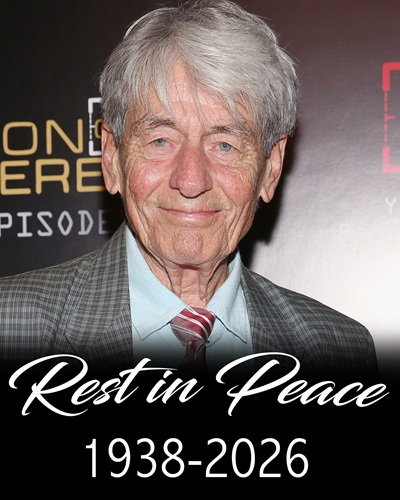
Veteran British actor John Nolan, a respected performer with long-standing connections to both British theatre and Hollywood cinema, has passed away at the age of 87, according to regional reports.
His passing was reported by the Stratford-Upon-Avon Herald, marking the end of a long and distinguished career that spanned stage performances, television roles, and appearances in internationally recognized film productions.
Nolan was widely known not only for his acting work but also for being the paternal uncle of acclaimed filmmakers Christopher Nolan and Jonathan Nolan, with whom he collaborated on several major projects.
Over the years, he became familiar to global audiences through his recurring appearances in films connected to his nephews’ creative work, particularly within major Hollywood productions that reached international popularity.
One of his most recognized contributions was his role as Douglas Fredericks, a Wayne Enterprises board member, in the film Batman Begins, directed by Christopher Nolan.
He later reprised the same character in The Dark Knight Rises, further strengthening his association with the modern cinematic interpretation of the Batman franchise and its corporate narrative world.
Beyond the Batman films, Nolan also appeared in earlier and independent projects connected to his family’s filmmaking journey, including the critically recognized film Following.
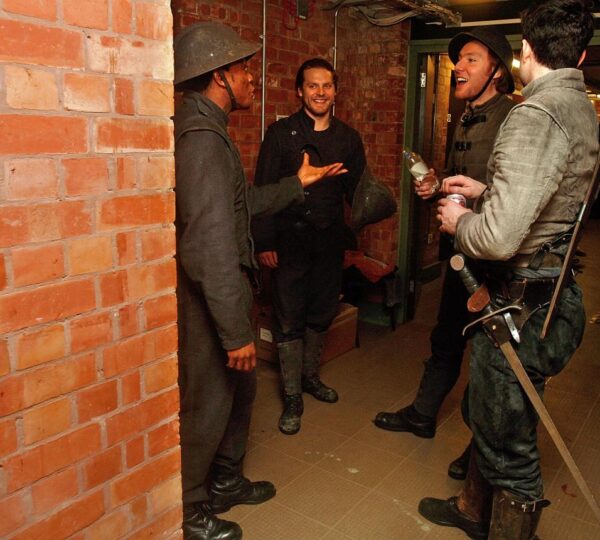
He also featured in the World War II epic Dunkirk, which brought together a large ensemble cast and depicted historical events with a strong focus on realism and tension.
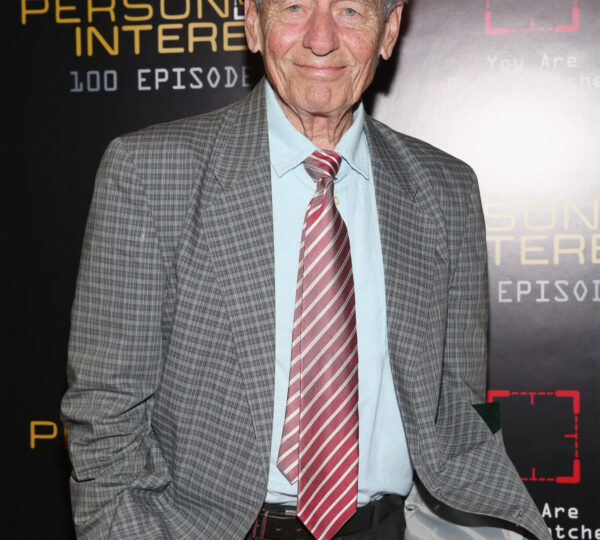
In television, Nolan reached a new generation of viewers when he joined the CBS series Person of Interest, created by Jonathan Nolan, where he played a major recurring role.
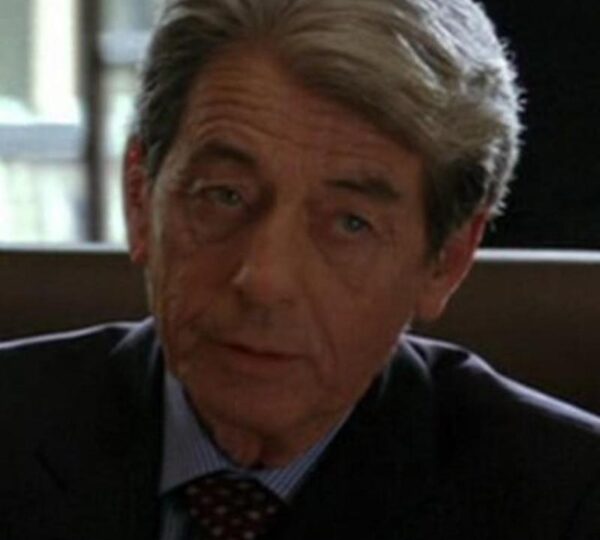
Within that series, he portrayed John Greer, a former MI6 operative who becomes the leader of Decima Technologies and serves as a central antagonist connected to advanced artificial intelligence systems.
Born on May 22, 1938, in London, Nolan began his artistic journey in the United Kingdom, where he developed a strong foundation in classical performance and dramatic storytelling from an early age.
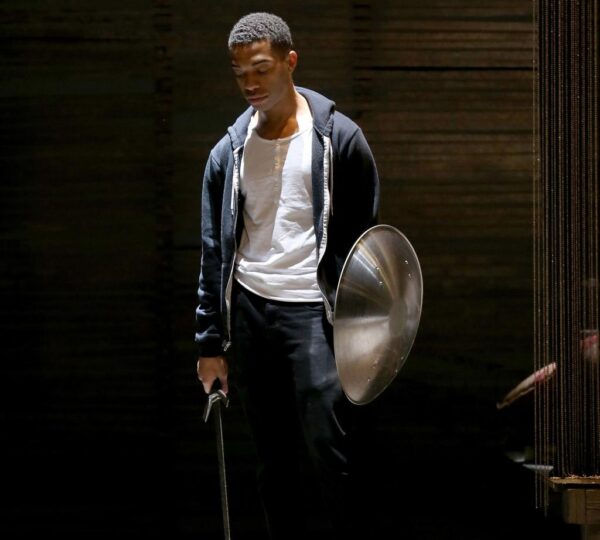
He trained at the prestigious Drama Centre London, an institution known for producing highly skilled stage and screen actors with a focus on disciplined technique and theatrical depth.
Early in his career, Nolan toured with an Irish theatre company, gaining practical experience performing in live productions and developing the stage presence that would define his later work.
One of his early notable stage experiences included performing Romeo in a production opposite actress Francesca Annis at Richmond Theatre, demonstrating his early range in classical theatre roles.
He later joined the Royal Court Company and spent two years with the Royal Shakespeare Company, where he participated in productions of well-known works such as Julius Caesar and The Merry Wives of Windsor.
His stage work during this period helped establish him as a serious theatre actor, respected for his commitment to classical material and his ability to perform complex dramatic roles.
Nolan’s early screen breakthrough came in the 1970 BBC miniseries Daniel Deronda, where he played the title role and gained wider recognition for his television performance.
Following this success, he appeared in the BBC science fiction drama Doomwatch, portraying the character George Harcastle, which further expanded his presence on British television.
He also appeared in ITV productions such as Shabby Tiger, contributing to a growing portfolio of television work throughout the 1970s and early 1980s.
His film career during that period included roles in productions such as Bequest to the Nation (1973), Terror (1978), and The World Is Full of Married Men (1979), reflecting a diverse range of supporting performances.
In addition to his acting roles, Nolan made appearances in various television series, including The Prisoner, General Hospital, and Silent Witness, further demonstrating his versatility across genres.
Beyond traditional screen acting, Nolan’s voice work also reached international audiences, as his voice was featured in in-flight entertainment programming associated with Discovery Channel broadcasts.
This expanded his recognition beyond film and television, allowing his work to be experienced by global audiences in a different and more subtle form of media presence.
In addition to acting, Nolan contributed creatively behind the scenes, co-writing and performing in a Dostoyevsky-based theatrical trilogy for the Bristol New Vic company during the early 1980s.
This work demonstrated his continued connection to theatre and literature, highlighting his interest in adapting complex literary themes for stage performance.
Throughout his career, Nolan maintained a balance between stage acting, screen roles, and creative collaboration, building a professional legacy rooted in classical training and modern storytelling.
His later career was marked by selective but impactful appearances, particularly in projects connected to his family’s filmmaking work, where he continued to contribute meaningful supporting roles.
Despite working across different mediums, Nolan remained grounded in theatre traditions, often credited with maintaining strong discipline and respect for the craft of acting.
His involvement in major modern film productions helped introduce him to younger audiences who may not have been familiar with his earlier stage and television career.
Colleagues and collaborators frequently described him as a dedicated professional who approached each role with preparation, seriousness, and a deep understanding of character development.
He is survived by his wife, actress Kim Hartman, their children Miranda and Tom, and grandchildren Dylan and Kara, who remain part of his family legacy.
His passing marks the end of a long career that bridged British theatre traditions and modern international cinema, leaving behind a body of work that spans decades of performance history.
John Nolan’s contributions to stage and screen continue to be remembered through his performances, which remain part of both British television heritage and contemporary film history.
His legacy endures not only through his own work but also through the continued impact of the films and series he helped bring to life for audiences around the world.
He will be remembered for his dedication to acting, his versatility across mediums, and his lasting presence in both British theatre and internationally recognized cinematic storytelling.

