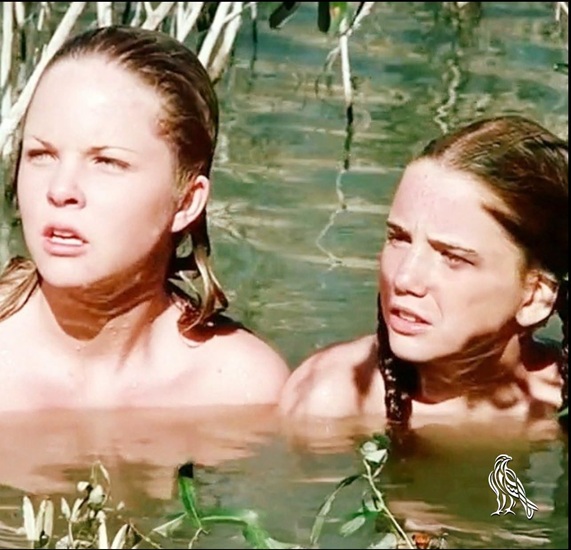
The television series Little House on the Prairie is often remembered as one of the most beloved family dramas in American television history, portraying pioneer life through emotional storytelling and strong moral themes. Based on the autobiographical books by Laura Ingalls Wilder, the show follows the Ingalls family as they build their lives in rural 19th-century America, dealing with hardship, community challenges, and personal growth.
While the series presents a romanticized vision of frontier life, it also reflects the television production style of the 1970s and early 1980s, when historical accuracy often took second place to storytelling and audience engagement. Across its nine-season run, the show maintained a consistent focus on themes such as family unity, perseverance, kindness, and the importance of community support in difficult times.
Despite its strong emotional impact, modern viewers have noticed a number of small continuity inconsistencies that naturally occur in long-running television productions filmed over many years. These inconsistencies include timeline shifts, character development adjustments, and changes in wardrobe or setting that sometimes do not perfectly align from episode to episode. In many cases, these issues are the result of production scheduling, script rewrites, or episodes being filmed out of chronological order rather than intentional errors in storytelling.
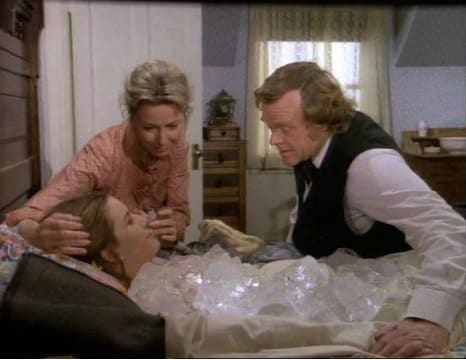
For example, certain character arcs involving illness, recovery, or pregnancy appear to extend longer on screen than they would in real time, which is a known result of episodic television storytelling. This happens frequently in long-running series, where narrative pacing is adjusted to fit seasonal arcs and dramatic structure rather than strict real-world timelines. Costume design in Little House on the Prairie was carefully crafted to reflect a historical setting, but it also had to meet the expectations of contemporary audiences watching in the 1970s.
As a result, some hairstyles, fabrics, and makeup choices reflect the fashion sensibilities of the production era more than strict 19th-century accuracy. This blending of historical inspiration and modern television styling is common in period dramas, especially those produced before digital research tools and modern costume databases were widely available. The series was filmed primarily in California locations, which provided natural landscapes suitable for representing the American Midwest but did not always perfectly match the climate described in scripts.
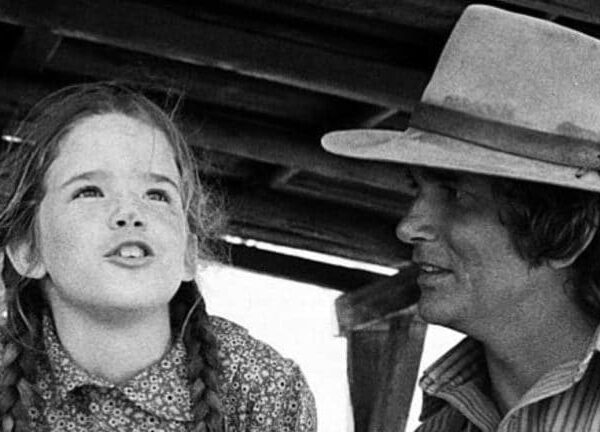
Because of this, outdoor scenes sometimes depict characters experiencing cold-weather situations while filming in warmer conditions, which can lead to visual inconsistencies such as lighter clothing or less visible breath in “winter” scenes. These differences are not considered errors in production but rather practical limitations of filming schedules and location availability.
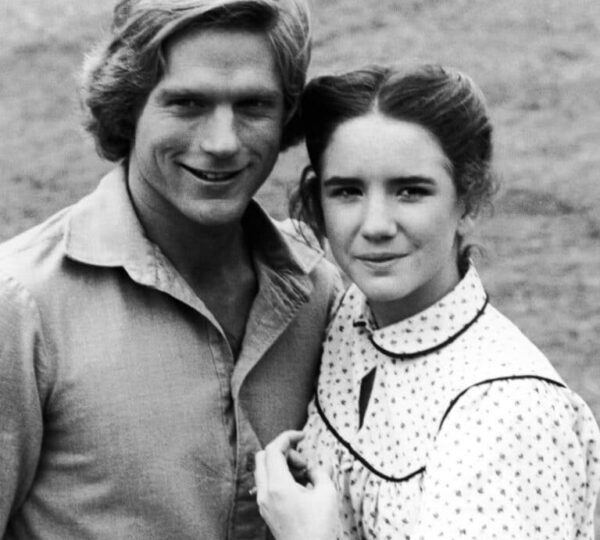
Set design played a major role in creating the fictional town of Walnut Grove, which became one of the most recognizable settings in television history. Many buildings, interiors, and props were reused across multiple episodes, carefully redressed to represent different locations within the town. This reuse of materials helped maintain production efficiency and continuity while working within the budget constraints typical of long-running network television shows.
Occasionally, attentive viewers notice repeated furniture pieces or decorative elements appearing in different homes or public buildings across episodes. These details are generally considered normal production practices rather than mistakes, as reuse of set materials is standard in television production. Another noticeable aspect of the show is its use of practical effects and stunt work, especially in action-oriented or dramatic scenes involving travel, accidents, or natural disasters.
Because the series was produced before modern CGI technology, physical stunt performers and practical filming techniques were used to create realistic action sequences. This sometimes results in visible stunt coordination techniques or camera cuts that are noticeable to modern audiences but were standard for the time period. The storytelling style of the series often prioritized emotional impact over strict realism, which allowed it to explore moral lessons and character growth in a way that resonated strongly with viewers.
Episodes frequently focused on personal struggles, ethical decisions, and family relationships, which became the defining strength of the series. Over time, Little House on the Prairie developed a reputation not only as a historical drama but also as a moral storytelling platform for family audiences. Because of its long production run, the show experienced natural changes in cast development, character arcs, and evolving production techniques.
These changes sometimes led to subtle shifts in tone, visual style, or narrative focus from earlier to later seasons. Fan discussions often highlight these shifts, especially when comparing early episodes with later ones where production values and storytelling approaches had evolved. Behind the scenes, cast members have described the working environment as demanding but collaborative, with long filming schedules typical of network television production at the time.
Child actors, in particular, grew up on set, which contributed to the sense of continuity and emotional connection between characters and audience over many years. Interviews and retrospectives suggest that the cast developed strong working relationships, although like any long production, occasional disagreements and professional challenges occurred. These experiences are typical of large ensemble television productions and are often discussed in cast memoirs and interviews rather than formal production records.
Some fan discussions also focus on minor background details or visual elements that appear inconsistent, such as repeated props or modern-looking items accidentally visible in certain scenes. These observations are usually the result of filming limitations, on-location shoots, or the practical challenges of maintaining period accuracy in outdoor environments. It is important to distinguish between confirmed production facts and online speculation, as many lists circulating on the internet combine verified details with unverified interpretations.
For example, some claims about historical inaccuracies or behind-the-scenes events are based on fan theories rather than documented production evidence. Reliable information about the show typically comes from cast interviews, production notes, and official network archives rather than viral social media posts. Despite these minor inconsistencies, the overall production quality of Little House on the Prairie remained consistent throughout its broadcast history.
The series maintained strong audience engagement due to its emotional storytelling, relatable characters, and universal themes of family and perseverance. Its depiction of frontier life, while not strictly documentary-accurate, created a culturally influential interpretation of American pioneer history for television audiences. Over time, the show became a staple of syndicated television, continuing to reach new generations long after its original airing.
Modern viewers often revisit the series not only for nostalgia but also to study its production style and storytelling techniques within the context of 1970s television. The enduring popularity of the series demonstrates how emotional storytelling can remain impactful even when production limitations and minor inaccuracies are present.
Ultimately, Little House on the Prairie stands as a significant example of classic American television, combining historical inspiration with family-centered drama. Its legacy continues through reruns, streaming platforms, and cultural discussions about its influence on television storytelling and family-oriented programming.
While small production inconsistencies exist, they are widely regarded as natural aspects of long-running television production rather than flaws that diminish its overall cultural value. The series remains a widely respected and emotionally resonant portrayal of family life, resilience, and community in an imagined version of the American frontier.
