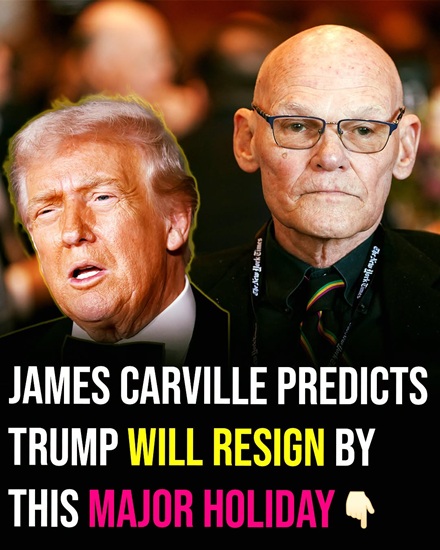
Donald Trump has recently attracted public attention after new merchandise appeared featuring the phrase “Trump 2028,” referencing the idea of a possible future presidential campaign beyond the current political cycle. The slogan has quickly become a topic of discussion across political media, with supporters viewing it as symbolic messaging, while critics see it as a provocative statement about long-term political ambitions.
The emergence of this type of branding comes at a time when Donald Trump remains highly influential in American politics. As a former president and current political figure, his statements and public image continue to shape national conversations. The “Trump 2028” slogan, whether intended seriously or symbolically, has contributed to renewed speculation about his political future and potential long-term goals.
According to the U.S. Constitution, presidents are limited to two elected terms under the 22nd Amendment. This rule has defined modern presidential transitions for decades and remains a key part of American political structure. As a result, any suggestion of a third term is considered speculative and would face significant legal and constitutional barriers.
Despite this, political merchandise and campaign-style branding often play an important role in shaping public discussion. In many cases, slogans and promotional items are used not only for fundraising but also for signaling political identity and maintaining visibility in the public sphere. The “Trump 2028” merchandise has therefore become part of a wider conversation about political messaging in the United States.
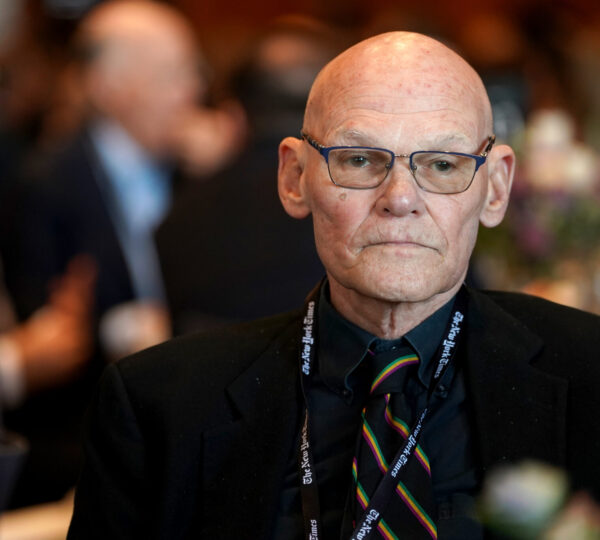
Alongside the merchandise discussion, political commentators and analysts have continued to offer differing opinions about Trump’s future. One of the voices contributing to this debate is veteran Democratic strategist James Carville, who has publicly shared his view that Trump may not complete his current term in office. His comments were made during appearances on political talk platforms and podcasts focused on U.S. politics.
Carville suggested that future political pressures, including elections and possible congressional shifts, could create a challenging environment for any administration. He pointed to upcoming midterm elections as a potential turning point in the political landscape, arguing that changes in congressional control could lead to increased oversight and investigations into government actions.
During discussions on the Politics War Room podcast, Carville and co-host Al Hunt analyzed different possible outcomes for Trump’s presidency. Hunt expressed skepticism toward the idea that Trump would leave office early, emphasizing that political leaders typically aim to maintain control and avoid losing influence during their term.
Carville, however, presented a more speculative outlook, suggesting that political backlash and public sentiment could intensify over time. He described a scenario in which electoral results might significantly shift the political environment, making governance more difficult. These comments reflect his interpretation of political trends rather than confirmed predictions.
It is important to note that such statements are opinions and political analysis, not established facts. Political forecasting often involves uncertainty, especially in a highly polarized environment where public opinion can change quickly due to economic, social, or international events.
Carville has previously made similar predictions in public commentary, suggesting various possible outcomes for Trump’s political career. In these discussions, he has emphasized the role of public opinion and electoral outcomes in shaping presidential stability. However, these remain speculative views rather than verified conclusions.
In response to these remarks, White House representatives rejected the claims and dismissed the commentary as politically motivated. Such responses are common in U.S. politics, where statements from opposing political figures are frequently challenged or criticized in public statements.
The broader discussion reflects the ongoing polarization in American political discourse. Supporters and critics of Donald Trump often interpret the same developments in very different ways, leading to contrasting narratives about leadership, governance, and future political direction. Media coverage and social platforms further amplify these differences in perspective.
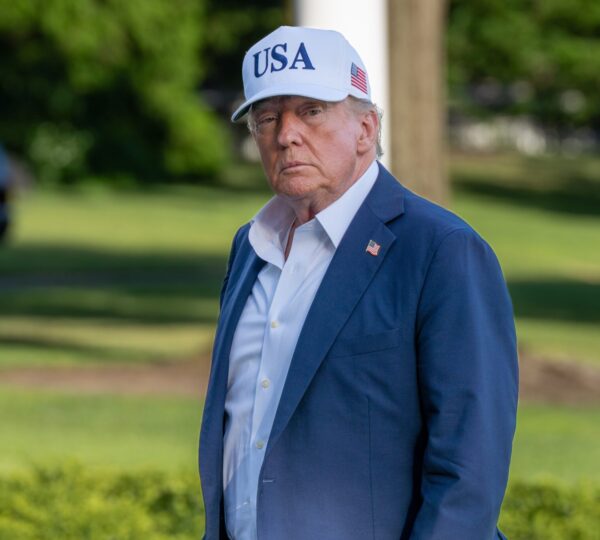
At the same time, Trump’s continued use of branding, including merchandise such as “Trump 2028” hats, demonstrates how political messaging extends beyond traditional campaigning. Political slogans and merchandise have long been used in U.S. politics to strengthen identity, engage supporters, and maintain public attention between election cycles.
For some observers, such branding is viewed as symbolic communication rather than a literal political plan. For others, it raises questions about long-term intentions and the evolving nature of political campaigns in the modern media landscape. Regardless of interpretation, the merchandise has successfully generated widespread discussion.
In conclusion, the appearance of “Trump 2028” merchandise combined with public commentary from political analysts has added another layer to ongoing debates about Donald Trump’s political future. While opinions and predictions vary widely, there is currently no change to constitutional term limits or official electoral structures.
As political discussions continue, Trump remains a central figure in U.S. political life, with his actions and public statements consistently shaping debate and media coverage. The situation highlights how political branding, commentary, and speculation often intersect in modern American politics, creating ongoing public interest and discussion.
