
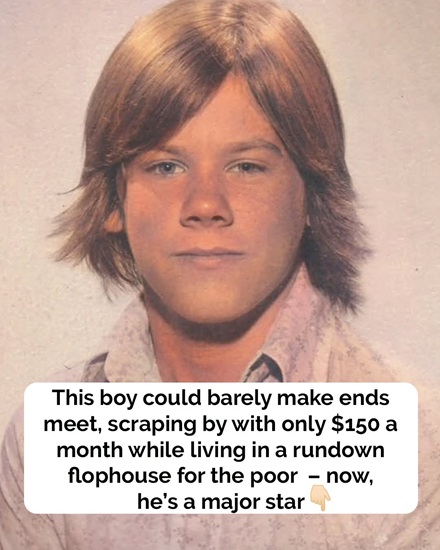
Long before Kevin Bacon became a familiar face in Hollywood, he was a young aspiring actor trying to build a future with limited money and no guarantee of success. His early years in New York City were considerably less glamorous than the life many people associate with a successful movie star. He lived in inexpensive accommodation, shared a room, studied his craft, and looked for opportunities wherever he could find them. Decades later, Bacon has an extensive acting career and enjoys a much quieter side of life with his wife, actress Kyra Sedgwick, including time spent around animals, gardens, music, and home cooking.
Bacon was born in Philadelphia, Pennsylvania, in 1958 and grew up as the youngest of six children. Creativity was present in his family from an early age. His father, Edmund Bacon, became widely known for his work in urban planning and served as executive director of the Philadelphia City Planning Commission. His mother, Ruth Hilda Holmes, was a teacher and social activist. Although Kevin eventually chose a very different professional path, the environment in which he grew up encouraged curiosity and creative expression.
Movies fascinated Bacon when he was young, and he has recalled how strongly the characters he watched on screen captured his imagination. After visiting a movie theater, he would sometimes return home and recreate what he had just seen. Instead of requiring expensive costumes, he could transform himself using a collection of old clothes his mother had kept for him. Those clothes became tools for imaginative play, allowing him to invent characters and experience the excitement of performing long before acting became his profession.
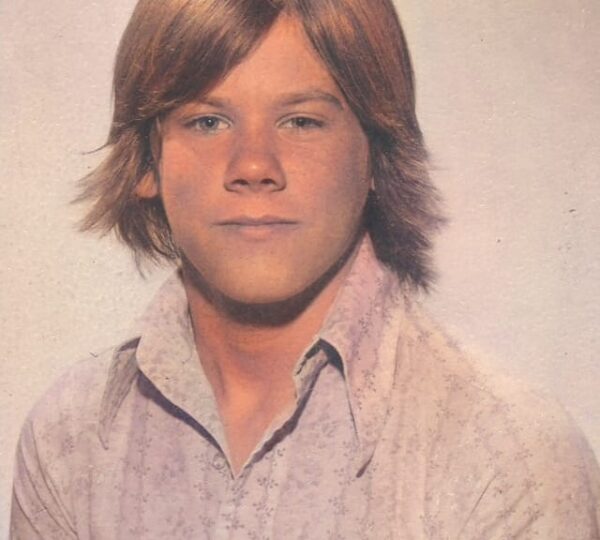
As he grew older, that fascination with pretending developed into a serious ambition. Bacon became increasingly certain that he wanted acting to be more than childhood entertainment. As a teenager, he attended the Pennsylvania Governor’s School for the Arts at Bucknell University and studied theater. Being surrounded by other young people interested in the arts strengthened his determination to pursue acting professionally.
At only 17, Bacon left Philadelphia and headed to New York City. For a teenager hoping to become a professional actor, New York offered exciting possibilities but also significant challenges. The city was filled with theaters, acting schools, auditions, and other performers pursuing exactly the same dream. Bacon arrived without the security that would come later in his career and had to find affordable ways to remain there while developing his skills.
During his early period in New York, Bacon stayed with his sister for several months. Eventually, he began searching for inexpensive accommodation of his own. He has recalled finding a place advertised through the Village Voice, a publication that was closely associated with New York’s cultural and artistic scene for many years.
The accommodation was described as an artist-oriented residence, but it was far removed from luxury. Bacon has said he paid around $150 per month to live there. Even then, the arrangement did not provide him with a private room. He shared his living space with another person, something that made the already modest accommodation even more economical.
His roommate happened to be a classical pianist. Bacon has remembered this detail fondly, describing how music became part of the atmosphere of the place. The two reportedly shared the space for several years, and Bacon would sometimes hear his roommate playing piano late at night. What might have appeared to outsiders as an uncomfortable living arrangement became one of the memorable experiences of his early adulthood.
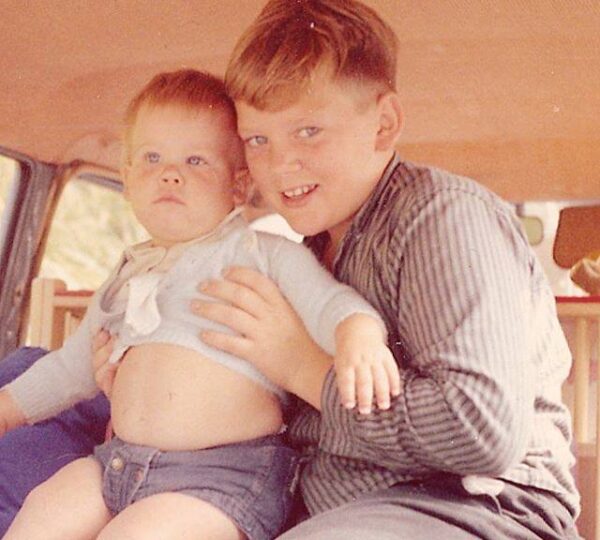
At that point, Bacon was not living the lifestyle of a movie star. He was a young performer trying to remain in one of America’s most expensive cities while pursuing acting. There was no certainty that the auditions, classes, and performances would eventually lead to a sustainable career. His inexpensive room provided something important: the ability to stay in New York and continue trying.
Bacon studied at the Circle in the Square Theatre School, strengthening the theatrical foundation that would later support his film career. Theater allowed him to work directly on performance skills and experience the discipline required to appear before a live audience. Those years were part of a much longer process that occurred before he became internationally recognizable.
Looking back on that period, Bacon has described how strongly he believed in artistic expression. In a quotation attributed to an interview with Cosmopolitan, he recalled wanting the “real thing” from life and being influenced by the idea that art and creativity were deeply worthwhile pursuits. His comments provide some insight into why a young person would accept financial uncertainty and modest living conditions to continue pursuing acting.
His professional breakthrough did not happen immediately. Bacon began appearing in theater and eventually found opportunities in film and television. His first feature-film appearance came in 1978 with National Lampoon’s Animal House. The comedy became enormously successful and eventually gained classic status, although Bacon’s participation did not instantly turn him into a major star.
He continued working and searching for larger opportunities. In 1980, Bacon appeared in Friday the 13th, the horror film that became one of the best-known titles of its genre. Two years later, he appeared in Barry Levinson’s Diner, an acclaimed ensemble film that helped draw more attention to several members of its young cast.
Then, in 1984, Bacon received the role that transformed his career. He starred as Ren McCormack in Footloose, playing a teenager who moves to a community where dancing has been prohibited. The film combined drama, romance, music, and dance, and its hugely successful soundtrack became closely associated with the decade.

Footloose turned Bacon into a widely recognizable star. His energetic performance became one of the defining roles of his career, and the movie remains strongly connected with his name decades after its original release. Yet Bacon did not spend the rest of his professional life simply repeating the same type of character.
Instead, he built a remarkably varied filmography. Over the following decades, Bacon appeared in movies ranging from comedy and drama to horror, thrillers, science fiction, and historical productions. His credits include Tremors, JFK, A Few Good Men, Apollo 13, Sleepers, Mystic River, The Woodsman, Beauty Shop, Frost/Nixon, X-Men: First Class, and Crazy, Stupid, Love.
This range became one of the defining characteristics of Bacon’s career. Some projects placed him at the center of the story, while others gave him important supporting roles within large ensemble casts. He was willing to portray sympathetic characters as well as complicated or disturbing ones, allowing him to avoid being defined solely by the youthful hero audiences remembered from Footloose.
His work in The Woodsman demonstrated his willingness to accept especially challenging material. The 2004 drama required Bacon to portray a deeply troubled character and received significant critical attention. Roles of this kind showed another side of his acting abilities and stood in sharp contrast to the energetic dancing teenager who had originally made him a household name.
Bacon also established a substantial television career. He starred in the thriller series The Following and later appeared in City on a Hill. His ability to move between film and television helped extend a professional career that had begun when those two parts of the entertainment industry were often viewed as much more separate than they are today.
Among the recognition Bacon has received is a Golden Globe Award for his performance in Taking Chance. The 2009 HBO film featured Bacon as Lieutenant Colonel Michael Strobl in a story based on Strobl’s experience accompanying the remains of fallen Marine Lance Corporal Chance Phelps home to his family. Bacon’s performance earned considerable critical recognition.
While his professional career developed, Bacon also built a lasting relationship with actress Kyra Sedgwick. The pair worked together on Lemon Sky and married in 1988. Their marriage has continued for decades, and they have two children, Travis and Sosie.
Sedgwick is an accomplished performer in her own right. She is particularly well known for playing Brenda Leigh Johnson in the television series The Closer, a performance that brought her major awards and recognition. Both Bacon and Sedgwick have maintained individual careers while also occasionally working together.
Away from their professional lives, the couple has embraced a quieter environment at their Connecticut property. Reports have described their farm as covering approximately 40 acres. Their life there presents a striking contrast with Bacon’s early days of sharing inexpensive accommodation in New York City.
The property has become home to a collection of animals. Bacon and Sedgwick have publicly shared moments involving goats, pigs, alpacas, and miniature horses. These animals have appeared regularly in videos and photographs that the couple has chosen to share online.
Bacon has explained that being around animals has a calming effect on him. He has described animals as joyful companions and has spoken positively about the peaceful experience of spending time with them. For an actor whose professional life can involve travel, production schedules, public events, and long days on set, the quieter routine of the farm provides a very different environment.
One particularly popular part of Bacon’s online presence involves music. He has posted videos in which he performs songs while his farm animals are nearby. The unusual combination has attracted plenty of attention, with viewers enjoying the relaxed atmosphere of a famous actor casually playing music for goats and other animals.
Sedgwick has joined in the fun as well. She has shared videos involving their goats and has joked about how much viewers enjoy seeing the animals. In an interview with People, she discussed how some fans enthusiastically respond to the couple’s goat-related content, sometimes making the animals nearly as recognizable as the actors themselves.
The attention does not appear to bother the couple. Instead, they have treated it with humor. Their farm videos offer audiences a glimpse of an everyday side of their lives without attempting to turn the experience into something it is not. They remain professional actors who also happen to enjoy caring for animals and spending time outdoors.
Gardening is another important part of their rural routine. Bacon has spoken about enjoying the ability to walk into the garden and collect fresh ingredients. Among the produce he has mentioned are herbs, tomatoes, basil, peppers, and zucchini.
That interest in food provides an unexpected connection with Bacon’s early years in New York. When he was sharing inexpensive accommodation with his classical-pianist roommate, Bacon says he knew relatively little about preparing meals. He was accustomed to buying simple food such as sandwiches or individual slices of pizza.
His roommate approached food differently. Bacon recalled that the pianist was careful with money and preferred preparing his own meals rather than frequently eating at restaurants or purchasing prepared food. Watching him cook eventually inspired Bacon to learn more about preparing food himself.
It is a small detail, but it connects two dramatically different periods of Bacon’s life. The young actor who watched his roommate cook because restaurant meals were too expensive later became someone who could collect ingredients directly from his own garden. The circumstances are entirely different, but the interest that developed during those modest years remained with him.
Bacon and Sedgwick have also shared cooking-related moments publicly. Their enjoyment of food, gardening, and farm life has become part of the public image they present away from acting. Rather than focusing exclusively on celebrity events, they often show activities that many people would recognize from ordinary home life.
Living closely with animals has also affected some of Bacon’s personal food choices. He has said that caring for particular animals has made him reluctant to eat those species. He has specifically discussed avoiding goat and pig products because of the relationships he has developed with the animals on the property.
Bacon has even joked that Sedgwick is reluctant to let him add too many additional animals because he might gradually eliminate more foods from his diet. His comments are best understood as descriptions of his own personal choices rather than recommendations about what other people should eat.
That distinction is useful when discussing the couple’s lifestyle. Bacon and Sedgwick have shared what works for them without presenting their choices as instructions for everyone else. Their farm is part of their personal and family life, not evidence that every successful actor wants or needs to abandon city living.
In fact, Bacon has not abandoned acting at all. He continues to work professionally while enjoying the farm when his schedule permits. His life therefore cannot simply be described as leaving Hollywood behind for farming. It is more accurate to say that rural life has become an important part of his world alongside his continuing entertainment career.
The difference between his circumstances today and those of his teenage years remains remarkable. When Bacon first arrived in New York, his priority was finding somewhere inexpensive enough to live while he pursued auditions and acting opportunities. Sharing a modest room was a practical solution that allowed him to remain close to the theater world.
There was no guarantee that the sacrifice would produce fame. Thousands of aspiring actors arrive in major entertainment centers hoping for a professional breakthrough, and only a small percentage achieve careers lasting several decades. Bacon’s story developed through persistence, training, opportunities, disappointments, and gradual professional progress.
Footloose became the moment when the wider public discovered him, but his career had already been developing for years. He had studied theater, appeared on stage, worked in smaller screen roles, and remained committed to acting before Ren McCormack made him famous.
The decades that followed demonstrated that Footloose was only one chapter. Bacon continued accepting projects rather than relying entirely on nostalgia surrounding his biggest early success. That decision helped him remain relevant to audiences who were not even born when Footloose first appeared in theaters.
His longevity has also contributed to one of popular culture’s most enduring games: “Six Degrees of Kevin Bacon.” The game is based on the idea that Bacon can be connected to almost any Hollywood performer through a relatively small chain of shared film appearances. Although Bacon did not create the game, it became so closely associated with him that his name became synonymous with the broader concept of interconnected social networks.
Bacon eventually embraced the phenomenon and used the idea behind it for charitable purposes. He founded SixDegrees.org, an initiative inspired by the concept of people being connected and capable of helping one another. This added another dimension to a pop-culture joke that initially developed independently of him.
At home, however, his public persona can be much simpler. Videos of Bacon playing music near goats or collecting ingredients from the garden offer a dramatic contrast with premieres, award ceremonies, and movie sets. They show the activities he has publicly said he enjoys when away from professional productions.
His relationship with Sedgwick remains another central part of the story. After decades of marriage, they continue to appear together both professionally and in informal glimpses of their home life. Their relationship has existed alongside two demanding acting careers and the raising of their children.
Their daughter, Sosie Bacon, has followed the family into acting and has developed a career that includes film and television work. Their son, Travis Bacon, has pursued music and other creative projects. In that sense, creative expression continues across another generation of the family.
The contrast between Bacon’s early and later life should not be reduced simply to money or celebrity. The more interesting transformation involves the number of experiences accumulated between those periods. A teenager pursuing theater became a movie star, character actor, television lead, husband, father, musician, animal lover, gardener, and home cook.
His story also demonstrates why celebrity success is often more complicated than it appears from the outside. Audiences usually encounter performers after they have already secured a major role. The years of inexpensive housing, training, auditions, small parts, and professional uncertainty that came beforehand can easily disappear from the public narrative.
For Bacon, those early years remained memorable enough that he continued discussing them decades later. He remembers the inexpensive room, the pianist who shared it with him, the sounds of music, and the lessons he picked up from watching his roommate cook. Those details provide a much more human picture of life before fame.
Today, the surroundings may be completely different, but several themes remain surprisingly consistent. Music is still present. Creativity remains central to his professional identity. Cooking became more important. And his willingness to explore different experiences continues to shape both his career and personal interests.
The Connecticut farm represents another chapter rather than the conclusion of his story. Bacon continues to act and participate in creative projects while maintaining a home environment that allows for a slower pace away from work. Caring for animals and gardening coexist with scripts, cameras, and production schedules.
The farm lifestyle has also allowed Bacon and Sedgwick to connect with audiences in an unexpected way. Some followers may discover their informal animal videos without having seen every film or television series in which they have appeared. Sedgwick has humorously acknowledged this reality, particularly when discussing the popularity of their goats.
There is something naturally appealing about that contrast. Seeing internationally recognized actors performing ordinary tasks can challenge the assumption that every aspect of celebrity life revolves around glamour. Bacon may have spent decades working on major productions, but he can still find enjoyment in activities as simple as tending a garden or interacting with an animal.
His journey from inexpensive New York accommodation to an established acting career is therefore more than a dramatic before-and-after comparison. It represents decades of gradual change. Each stage contributed something different to the person and performer he eventually became.
The $150-a-month living arrangement remains one of the most memorable details because it illustrates just how modest his circumstances once were. It also reminds audiences that the successful actor known today did not begin his career with a luxury apartment or guaranteed film contracts.
Instead, he began as a young performer willing to share a small living space because remaining in New York gave him access to the artistic world he wanted to join. The conditions were basic, but they allowed him to continue studying, auditioning, and performing.
Years later, his surroundings are very different. Bacon can spend time with Sedgwick on their Connecticut property, care for their animals, play music, cook, and gather ingredients from their garden. Those activities exist alongside a professional career that has stretched across several generations of movies and television.
The transformation makes for an interesting story, but it does not need exaggerated claims to be compelling. Bacon’s documented career already provides plenty of evidence of how much his circumstances changed. From a teenage actor trying to establish himself in New York to a performer with decades of recognized work, his professional path speaks for itself.
Perhaps the strongest connection between those two stages is Bacon’s continuing interest in creativity. As a child, he transformed old clothes into costumes and imagined himself as movie characters. As a young adult, he accepted modest living conditions to pursue theater. As an established performer, he continued exploring different characters while also finding creative outlets through music and other activities.
His story ultimately shows how dramatically a life can evolve without completely losing its earliest influences. The surroundings changed, professional opportunities expanded, and his family life developed, but many of the interests that shaped young Kevin Bacon remained present.
Today, audiences may know him from Footloose, Apollo 13, A Few Good Men, Tremors, television dramas, or countless other productions. Others may encounter him through lighthearted videos featuring music and farm animals. Both images belong to the same long and varied career.
From sharing an inexpensive New York room with a classical pianist to enjoying the open space of a Connecticut property with his family, Kevin Bacon has experienced a remarkable change in circumstances. Yet his journey is perhaps most interesting not because of where he ended up, but because of the persistence, creativity, relationships, and experiences connecting those two very different chapters of his life.

