
Diabetes is a chronic medical condition that affects how the body regulates glucose, commonly known as blood sugar. It is important to understand that diabetes is not one single disease with one single cause. Type 1 diabetes is an autoimmune condition in which the body’s immune system destroys insulin-producing cells in the pancreas, while type 2 diabetes generally develops through a combination of insulin resistance, genetics, age, metabolic factors and other influences. Lifestyle can affect the risk of type 2 diabetes, but it would be inaccurate and unfair to suggest that every case results from someone’s personal choices.
Type 2 diabetes can develop gradually, which means some people may live with elevated blood glucose for a considerable period without realizing it. Prediabetes can also exist without obvious warning signs. Type 1 diabetes, by contrast, can sometimes progress much more rapidly and can become dangerous without treatment. For these reasons, recognizing possible symptoms can be useful, but symptoms alone should never be used to diagnose diabetes.
A diagnosis requires appropriate medical testing. Healthcare professionals may use tests such as fasting plasma glucose, an A1C test, an oral glucose tolerance test or, in certain circumstances, a random plasma glucose measurement. The appropriate test and interpretation depend on the individual’s circumstances. Anyone experiencing persistent symptoms or concerned about their diabetes risk should discuss testing with a qualified healthcare professional rather than relying on an online checklist.
1. Persistent or Unexplained Fatigue
Feeling unusually tired can occur when blood glucose is elevated, although fatigue has many possible causes. Insulin helps glucose enter many of the body’s cells, where it can be used for energy. When insulin is absent or does not work effectively enough, the body’s ability to use glucose normally can become disrupted. Some people with diabetes consequently experience persistent tiredness, weakness or reduced energy.

High blood glucose can contribute to fatigue in other ways as well. If elevated glucose causes frequent urination, the resulting fluid loss may contribute to dehydration. A person who repeatedly wakes during the night to use the bathroom may also experience disrupted sleep. These factors can combine to leave someone feeling exhausted during the day.
However, fatigue is extremely common and should not automatically be interpreted as evidence of diabetes. Poor-quality sleep, stress, anemia, infections, thyroid disorders, medication effects, nutritional deficiencies and numerous other conditions can cause similar symptoms. Persistent or worsening fatigue deserves appropriate evaluation, particularly when it occurs alongside other unexplained physical changes.
It is also important not to assume that becoming sleepy after eating carbohydrates or sweets proves that someone has diabetes. Energy levels naturally fluctuate throughout the day and after meals. Diabetes cannot reliably be identified by observing how tired someone feels after a particular food. Blood testing provides much more useful information.
2. Frequent Urination
Frequent urination is one of the classic symptoms associated with significantly elevated blood glucose. The kidneys normally filter glucose from the blood and reabsorb it. When glucose becomes sufficiently elevated, the kidneys may not be able to reabsorb all of it, causing some glucose to pass into the urine.
Additional water is drawn into the urine along with that glucose. As a result, the body produces more urine than usual. Someone may notice that they suddenly need to visit the bathroom much more frequently or begin waking several times during the night when they previously slept uninterrupted.
The increased loss of fluid can contribute to dehydration, which helps explain why frequent urination and excessive thirst often appear together. These symptoms can become particularly noticeable when blood glucose remains substantially elevated.
Nevertheless, frequent urination has other possible explanations. Drinking considerably more fluid, consuming caffeine, taking certain medications and having urinary or other medical conditions can all increase urination. A persistent unexplained change, particularly when accompanied by unusual thirst, fatigue or weight loss, is a reason to consider medical evaluation.
3. Excessive or Persistent Thirst
Unusual thirst, medically known as polydipsia, can accompany diabetes. When elevated blood glucose leads to increased urination, the body loses additional fluid. The brain responds by increasing thirst in an attempt to replace that lost water.
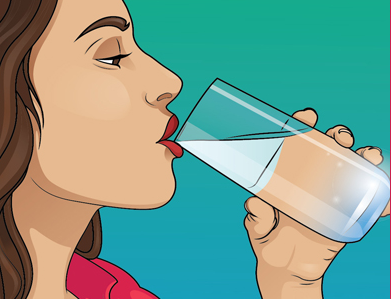
Someone experiencing this symptom may feel thirsty repeatedly despite drinking what would normally be an adequate amount of fluid. They may wake during the night wanting water or notice persistent dryness in their mouth.
Thirst should always be interpreted in context. Exercise, hot weather, salty foods, fever and ordinary dehydration can all increase the desire to drink. Certain medications and other medical conditions can also affect thirst.
What deserves greater attention is a substantial and persistent change without an obvious explanation, especially when increased thirst occurs alongside frequent urination. Instead of attempting to determine the cause independently, a healthcare professional can use appropriate tests to determine whether blood glucose is involved.
4. Blurred or Changing Vision
Elevated blood glucose can sometimes cause temporary changes in vision. Changes in glucose levels can affect fluid balance within parts of the eye, potentially altering focusing ability and causing temporary blurring.
This type of visual change should be distinguished from diabetic retinopathy. Over time, diabetes can damage small blood vessels in the retina, the light-sensitive tissue at the back of the eye. Diabetic retinopathy may initially cause few or no symptoms, which is why recommended eye examinations are important for people diagnosed with diabetes.
More advanced diabetic eye disease can threaten vision, but severe visual impairment is not an inevitable consequence of having diabetes. Appropriate diabetes management, regular eye screening and timely treatment of eye complications can substantially reduce the risk of serious vision loss.
Vision problems should also never automatically be blamed on blood glucose. Many eye conditions can cause blurred or changing vision. Sudden loss of vision, severe eye pain, new flashes or floaters, or another abrupt visual disturbance can require urgent medical attention.
5. Cuts and Wounds That Heal More Slowly Than Expected
Diabetes can interfere with wound healing, particularly when blood glucose remains poorly controlled over a long period. Elevated glucose can affect circulation, immune function and nerves, all of which play important roles in healing.
This can become especially significant when injuries occur on the feet. Diabetes-related nerve damage may reduce sensation, making it more difficult to notice a small blister, cut or pressure injury. If circulation is also impaired, healing may become slower and the possibility of infection can increase.
This is one reason regular foot care is emphasized for many people living with diabetes. Someone with reduced sensation may need to inspect their feet carefully because an injury can worsen without producing the amount of pain that would normally draw attention to it.
Slow healing is not specific to diabetes. Circulatory disorders, infections, medications, nutritional issues and other health problems can affect wound recovery. Any wound that fails to improve, becomes increasingly red or painful, produces drainage or shows other signs of infection should receive appropriate medical attention.
6. Tingling, Burning or Numbness in the Extremities
Long-term elevated blood glucose can damage nerves, producing a complication called diabetic neuropathy. Peripheral neuropathy commonly affects the feet and legs and may sometimes involve the hands.
Symptoms can include tingling, burning, numbness, unusual sensitivity or pain. Different people experience neuropathy differently. One individual may notice significant discomfort, while another may primarily experience reduced sensation.
Reduced sensation can create additional problems because someone may not notice an injury immediately. A small cut or blister on the foot can become more serious if it remains undetected. Appropriate diabetes management and regular foot examinations can therefore be important for people who develop neuropathy.
Tingling and numbness have numerous other causes, including nerve compression, vitamin deficiencies, medication effects and neurological disorders. Experiencing tingling does not establish that someone has diabetes. Persistent, progressive or unexplained symptoms should be assessed appropriately.
7. Dark, Thick or Velvety Patches of Skin
A skin condition called acanthosis nigricans can produce darker, thicker areas with a characteristically velvety texture. These changes often develop around the neck, armpits, groin or other body folds.
Acanthosis nigricans is frequently associated with insulin resistance, an important feature of type 2 diabetes and prediabetes. For some people, discovering these characteristic skin changes may therefore prompt a clinician to investigate metabolic health and blood glucose.
However, acanthosis nigricans does not prove that someone has diabetes. It can occur in connection with several conditions and sometimes with particular medications. A healthcare professional can examine the skin and determine whether further testing is appropriate.
Normal differences in skin pigmentation should not be mistaken for disease. Human skin naturally varies widely in color, and some body areas are normally darker than others. A diagnosis of acanthosis nigricans involves more than simply noticing darker skin.
Other Possible Diabetes Symptoms
Diabetes can produce symptoms beyond these seven signs. Unexplained weight loss is particularly important, especially when it occurs alongside thirst and frequent urination. This can happen when the body cannot effectively use available glucose and begins breaking down fat and muscle for energy.
Increased hunger may occur as well. Someone can feel unusually hungry despite eating normally and may even lose weight at the same time. This combination deserves attention, particularly when symptoms develop relatively quickly.
Some people with poorly controlled diabetes may experience recurrent infections. Elevated glucose can contribute to an environment in which certain infections occur more easily, although having recurrent infections does not automatically mean diabetes is responsible.
Dry mouth and signs of dehydration can accompany excessive urination and thirst. Conversely, some people with type 2 diabetes experience few recognizable symptoms, demonstrating why symptom awareness cannot replace appropriate screening.
Prediabetes Can Develop Without Noticeable Symptoms
Prediabetes means blood glucose levels are above the normal range but have not reached the diagnostic threshold for diabetes. Many people with prediabetes experience no clear symptoms at all.
Consequently, someone should not assume that normal energy levels and the absence of excessive thirst guarantee normal blood glucose. Screening may be appropriate for some individuals based on age, family history and other risk factors, even when they feel well.
When prediabetes is identified, evidence-based lifestyle changes can substantially reduce progression to type 2 diabetes for many people. Depending on someone’s individual circumstances, healthcare professionals may also recommend medication.
There is no universal prevention strategy appropriate for every person. Individual medical history and risk factors should guide decisions.
Family History Can Increase Risk, but It Does Not Determine the Future
Having a parent or sibling with type 2 diabetes can increase a person’s likelihood of developing the condition. Genetics can influence insulin production, insulin sensitivity and other aspects of metabolic health.
However, having a family history does not mean diabetes is inevitable. Similarly, people without a known family history can still develop the condition.
Risk therefore needs to be understood more broadly than genetics alone.
It is equally important not to confuse the causes of type 1 and type 2 diabetes. Type 1 diabetes results from an autoimmune process and is not caused by someone’s diet, body size or lack of exercise.
Diabetes Is Not Simply Caused by Eating Sugar
One persistent misconception is that people develop diabetes simply because they ate too many sweets. The biology is considerably more complicated.
Type 1 diabetes is an autoimmune disease.
Type 2 diabetes involves insulin resistance and impaired insulin regulation and develops through interactions among multiple factors. Genetics, age, family history and metabolic factors can all contribute, while lifestyle-related factors can influence risk for some people.
This distinction matters because oversimplifying diabetes can create stigma. A medical diagnosis should not be treated as evidence that someone lacked discipline or failed to take care of themselves.
People living with diabetes deserve accurate medical information rather than blame.
How Diabetes Is Diagnosed
Symptoms can encourage someone to seek medical advice, but laboratory testing is necessary for diagnosis. One commonly used test is A1C, which provides information about average blood glucose over approximately the previous two to three months.
A fasting plasma glucose test measures glucose after a period without eating. An oral glucose tolerance test measures how the body responds to a measured glucose load. A random plasma glucose test may also be useful in certain situations, particularly when characteristic symptoms are present.
Healthcare professionals interpret these results according to established diagnostic criteria and the individual’s clinical circumstances.
Sometimes repeat testing is necessary to confirm a diagnosis when someone does not have unmistakable symptoms.
This is why home observations and internet symptom lists should never replace proper medical assessment.
Diabetes Can Be Managed
Diabetes can lead to serious complications, but a diagnosis should not be presented as an inevitable progression toward severe illness. Modern treatment allows many people with diabetes to live active and fulfilling lives.
Treatment depends on the type of diabetes and the individual.
People with type 1 diabetes require insulin because their bodies produce little or no insulin.
People with type 2 diabetes may use various combinations of nutrition changes, physical activity, medications, weight management when medically appropriate and sometimes insulin.
Blood pressure, cholesterol, kidney health, eye health and other factors may also need monitoring because diabetes management involves more than glucose alone.
Treatment plans should therefore be individualized rather than copied from another person’s experience.
Recognizing an Emergency
While type 2 diabetes can develop slowly, severe insulin deficiency can sometimes create an emergency called diabetic ketoacidosis, or DKA. It is particularly associated with type 1 diabetes, although it can occur in other circumstances.
Possible warning signs include intense thirst, frequent urination, nausea, vomiting, abdominal pain, marked weakness, dehydration, rapid or deep breathing and confusion. Some people may develop breath described as having a fruity odor.
DKA can be life-threatening and requires urgent medical treatment.
Anyone experiencing severe symptoms, significant confusion, loss of consciousness or another rapidly deteriorating condition should receive emergency medical care rather than waiting for a routine appointment.
Why Early Recognition Matters
Identifying diabetes earlier can allow treatment and monitoring to begin before prolonged elevated glucose causes additional problems. Appropriate management can reduce the likelihood of complications involving the eyes, kidneys, nerves, cardiovascular system and feet.
However, complications should not be described as unavoidable. Many people manage diabetes effectively for years with medical care, monitoring and appropriate treatment.
The purpose of discussing warning signs is therefore awareness rather than fear.
Someone experiencing persistent thirst does not need to panic.
Someone feeling tired should not automatically assume diabetes.
Someone noticing tingling should not diagnose themselves from social media.
Instead, persistent or unexplained symptoms provide a reason to consider professional evaluation.
Listen to Changes, but Rely on Testing
Bodies naturally change from day to day. Temporary fatigue, occasional thirst or a single episode of blurred vision can occur for many ordinary reasons.
Patterns matter more.
A combination of excessive thirst, frequent urination, unexplained weight loss and unusual fatigue deserves considerably more attention than one isolated symptom.
Similarly, slow-healing wounds, persistent numbness or characteristic skin changes should not be ignored when they continue or worsen.
But even several symptoms together cannot replace blood testing.
The goal is to recognize when testing may be worthwhile, not to diagnose a medical condition through an article.
Diabetes is a complex group of conditions influenced by different biological processes. Type 1 diabetes, type 2 diabetes and prediabetes are related to glucose regulation but should not be treated as identical conditions with identical causes or treatments.
Understanding those differences helps people recognize symptoms without creating unnecessary fear or blame.
Seven possible signs—including persistent fatigue, frequent urination, excessive thirst, changes in vision, slow wound healing, tingling or numbness and characteristic dark velvety skin patches—can provide useful reasons to pay attention to one’s health.
None proves diabetes by itself.
If several appear together, particularly alongside unexplained weight loss or a relevant family history, discussing the symptoms with a healthcare professional is a sensible next step.
Early detection can provide more options for effective management, while appropriate treatment can substantially reduce the risk of complications.
The most useful message is therefore simple: notice persistent changes, do not rely on assumptions, and use proper medical testing to determine what is actually happening.
