
Some moments divide a person’s life into two chapters so clearly that everything afterward is measured against what came before. For me, that moment arrived shortly after my twentieth birthday. Until then, I believed that family disagreements eventually healed with time, patience, and honest conversation. I still hoped that difficult words spoken in anger would one day be replaced with understanding. Instead, I learned that not every relationship follows the ending we imagine, and sometimes the greatest turning points begin with the painful decision to walk away and build a different future.
I grew up in a small town where hard work was respected, but expectations often outweighed encouragement. My father believed success meant following the exact path he had chosen decades earlier. He expected me to remain in the family construction business without question, eventually taking over responsibilities exactly as he had planned. Whenever I mentioned different ideas or career goals, he dismissed them as unrealistic dreams. He wasn’t interested in hearing why I wanted something different; he only wanted confirmation that I would continue living the life he had already designed for me.
As I grew older, those disagreements became more frequent. I had developed a passion for building and restoration, but I wanted to learn modern construction techniques through a professional training program in another city. I had saved money from weekend jobs, completed the application process quietly, and eventually received an acceptance letter. Holding that letter in my hands felt like holding the first real opportunity to create a future based on my own choices rather than someone else’s expectations.
When I finally told my father about my plans, the conversation did not unfold the way I had hoped. He viewed my decision as a rejection of everything he had built over the years. Rather than asking about my goals or the opportunities waiting ahead, he accused me of abandoning the family. My explanations only seemed to increase his frustration. It became painfully clear that we were no longer discussing education or employment—we were speaking two completely different languages about what family, responsibility, and independence truly meant.
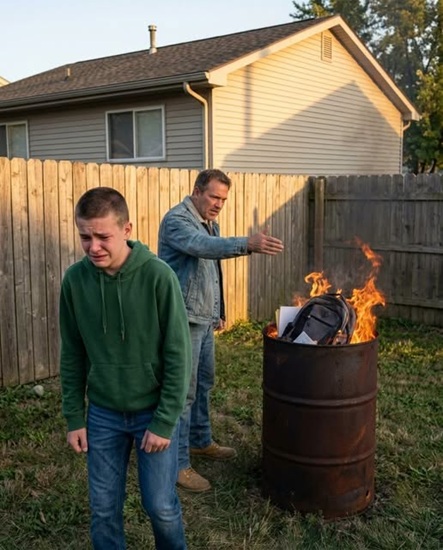
That evening, I quietly packed the few belongings I considered essential. My identification documents, work certificates, savings, and a small collection of personal photographs were carefully placed inside an old backpack. I had learned enough from previous disagreements to prepare for the possibility that I might need to leave quickly. Although I still hoped emotions would settle overnight, a part of me already understood that the decision had likely been made for both of us.
Early the next morning, before sunrise, I left the house carrying little more than a backpack and a determination not to let disappointment define the rest of my life. A close friend drove me to a neighboring city where I had arranged temporary accommodation. The apartment was small, the furniture was worn, and money was limited, but for the first time I felt something that had been missing for years: the freedom to decide what kind of future I wanted to build.
Life during those first months was far from easy. I accepted every honest job I could find, often working long days on construction sites before attending evening classes at a technical training center. Some mornings began before daylight and ended well after sunset. There were weeks when exhaustion seemed permanent, yet every completed project taught me something new. Experienced carpenters, electricians, and project managers became unexpected mentors, generously sharing practical knowledge that no classroom alone could provide.
Gradually, opportunities began replacing uncertainty. Supervisors noticed my willingness to learn and my attention to detail. Instead of rushing through projects, I took time to understand why experienced craftsmen approached problems the way they did. Over the years, those lessons became the foundation of my professional reputation. Clients appreciated careful workmanship, honesty, and reliability far more than empty promises, and word-of-mouth recommendations slowly helped my career grow.
By my late twenties, I had established a small renovation company specializing in restoring older homes. While many contractors preferred new construction, I found satisfaction in preserving buildings with history. Every neglected house represented an opportunity to create something valuable again. Damaged floors could be repaired, worn walls strengthened, and forgotten spaces transformed into welcoming homes. In many ways, restoring buildings reminded me that difficult beginnings do not determine permanent endings.
One afternoon, while reviewing property listings for potential renovation projects, I noticed an address that immediately caught my attention. The house looked familiar even before I recognized the street name. It was the neighborhood where I had spent my childhood. Years had passed since I had returned, and curiosity led me to drive past the property the following weekend. Time had changed nearly everything. The paint had faded, the roof showed signs of neglect, and the once-carefully maintained garden had become overgrown. Looking at the aging house, I felt neither satisfaction nor anger—only quiet reflection on how much life had changed.
A few weeks later, I learned that the property would soon become available through legal sale procedures after years of financial difficulties. I considered the decision carefully, not because I wanted revenge, but because I recognized an opportunity to preserve a place that had once been important despite the difficult memories connected to it. After discussing the investment with trusted advisors, I submitted my offer through the proper legal process, understanding that whatever happened next should be guided by professionalism rather than emotion.
As I left the property that afternoon, I realized something important. The greatest transformation had not occurred in the old house standing quietly behind me. It had happened within me. Years earlier I had walked away believing I had lost everything. Now I understood that the hardest experiences had quietly shaped qualities no one could ever take away—patience, resilience, compassion, and the determination to build rather than destroy. Those qualities, more than any building or business, had become the true foundation of my future.
The legal process moved forward over the following weeks with the kind of careful professionalism I had spent years building my reputation upon. Every document was reviewed thoroughly, every inspection was completed according to local regulations, and every signature followed the proper procedures. I wanted the purchase to represent integrity rather than emotion. Friends who knew my history asked whether buying the property was an attempt to revisit the past, but I explained that my decision was based on responsibility, not resentment. The house had become another renovation project, and I intended to treat it with the same respect I gave every client and every property my company restored.
When the transaction was officially completed, I visited the house early one morning before any construction work began. Standing in the driveway, I quietly observed the familiar surroundings that had once seemed so overwhelming during my youth. Time had changed nearly every detail. Trees had grown taller, fences had weathered, and the neighborhood itself felt calmer than I remembered. Looking around, I realized that memories often preserve places exactly as they were, while reality continues moving forward without waiting for anyone.
Not long afterward, I reached out to my father and asked whether he would be willing to meet. The conversation took place on the front porch during a quiet afternoon. Years had changed both of us, leaving fewer sharp words and more thoughtful pauses between sentences. Rather than revisiting every disagreement from the past, we spoke honestly about how different choices had shaped our lives. Neither of us attempted to rewrite history, but we both recognized that understanding often begins when people are willing to listen instead of preparing their next argument.
I explained that purchasing the property had never been about proving a point or seeking revenge. During the years we had spent apart, I had learned that lasting success comes from creating opportunities rather than reopening old wounds. My goal was to restore a neglected home and preserve something valuable within the community. Carrying bitterness for years would only have limited my own future, while choosing constructive action allowed me to focus on building something meaningful instead.
For several moments, my father remained silent before acknowledging that time had given him opportunities to reflect on decisions made many years earlier. He admitted that fear had often influenced his expectations, and that he had confused control with guidance. While neither of us expected one conversation to erase every painful memory, speaking openly allowed both of us to recognize that growth sometimes arrives much later than we would prefer. Honest reflection does not change the past, but it can influence how people move forward.
Once the renovation officially began, the property slowly transformed through months of dedicated work. Damaged flooring was carefully replaced, electrical systems were modernized, and structural repairs strengthened areas that had weakened over time. Rather than rushing the project, my team approached every stage with patience and craftsmanship. Watching the building gradually regain its strength reminded me that restoration is rarely immediate. Lasting improvements are achieved through consistent effort, careful planning, and respect for solid foundations.
The project also became an opportunity to mentor younger tradespeople beginning their own careers. Apprentices joined experienced craftsmen while learning practical skills, workplace safety, and the importance of quality workmanship. I often reminded them that a builder’s reputation is created one project at a time through honesty, reliability, and attention to detail. Technical knowledge matters, but character ultimately determines whether clients continue placing their trust in someone’s work.
When the renovation was finally completed, the house looked entirely different from the neglected property I had first encountered. Fresh paint, repaired windows, renewed landscaping, and carefully restored living spaces gave the building new life while preserving its original character. Neighbors frequently stopped by to compliment the transformation, sharing stories about the home’s history and expressing appreciation that it had been restored rather than abandoned. Their encouragement reinforced my belief that rebuilding communities often begins with restoring places that others have overlooked.
After careful consideration, I decided to sell the property to a young family searching for their first home. Watching them walk through the front door with excitement reminded me that buildings become meaningful because of the people who create memories inside them. Before handing over the keys, I wished them many years of happiness and hoped the house would provide them with opportunities, security, and joyful moments that would continue for generations.
The proceeds from the sale allowed my company to expand a community initiative offering essential home repairs for young adults transitioning into independent living after leaving foster care. Working alongside local organizations, we helped improve safe housing by repairing roofs, replacing damaged flooring, improving accessibility, and addressing urgent structural needs. Every completed project reminded me that construction is not only about buildings but also about creating environments where people can begin new chapters of their lives with dignity and confidence.
Looking back, I eventually realized that the greatest achievement was never purchasing or restoring a single property. The true success came from choosing values that remained stronger than disappointment. Difficult experiences had taught me resilience, but they also taught compassion, responsibility, and the importance of building opportunities for others whenever possible. Those lessons became far more valuable than anything measured in financial terms.
Today, whenever someone asks how I rebuilt my life after those difficult years, I give a simple answer. Every person eventually decides whether painful experiences will become permanent barriers or foundations for future growth. I chose to build. Not because the journey was easy, but because creating something positive always leaves a stronger legacy than holding onto resentment. Homes can be repaired, relationships can sometimes improve, and people can continue growing throughout their lives. In the end, the strongest foundation any person can build is one made of integrity, perseverance, compassion, and the willingness to help others create hopeful new beginnings of their own.

