...

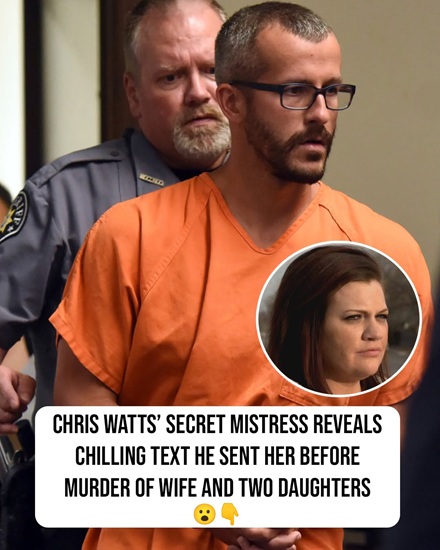
New Details Emerge From the Chris Watts Case as Former Messages Come to Light

The 2018 murders committed by Chris Watts remain one of the most widely discussed criminal cases in recent American history. Years after the investigation concluded and Watts received multiple life sentences without the possibility of parole, the case continues to generate public interest through documentaries, court records, books, and interviews involving people who say they knew him before the crimes. While the legal proceedings have long since ended, new personal claims occasionally emerge, prompting renewed discussion about the events leading up to one of the country’s most shocking family tragedies.

Recently, a woman identified as Amanda McMahon publicly claimed that she had a brief relationship with Chris Watts before the murders occurred. According to her account, the relationship lasted only a few months and ended several months before August 2018. Her statements have attracted attention because they describe interactions that allegedly took place before the crimes were committed. However, it is important to note that these descriptions are her personal allegations and have not been independently verified through court findings related to the criminal case.

According to McMahon, she and Watts first connected through the dating application Tinder during 2017. She said they exchanged messages before eventually speaking by telephone and arranging to meet in person. She alleged that their first meeting took place in the parking lot of a Chick-fil-A restaurant. During later interviews, she claimed that Watts introduced aspects of his personal life but did not initially describe his family situation in a manner that reflected the reality later established through the criminal investigation.
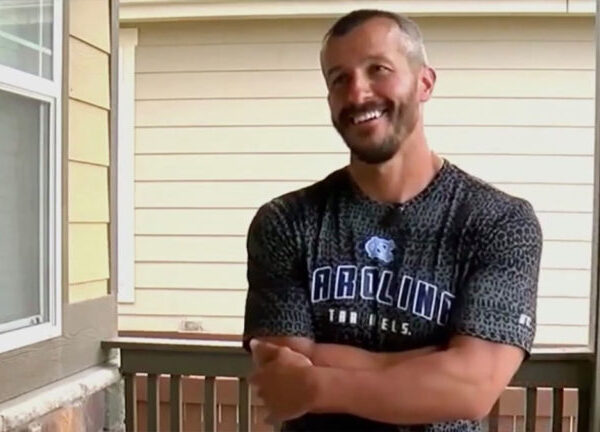
McMahon further alleged that after meeting in person they spent additional time together, including watching a movie at her home. She described the encounter as initially appearing ordinary before, according to her account, his behavior changed unexpectedly. She stated that she became uncomfortable and ultimately decided she no longer wanted to continue any relationship with him. These statements remain part of her own account and have not formed part of the criminal findings presented during Watts’ prosecution.

In interviews discussing the alleged relationship, McMahon also claimed that Watts frequently spoke negatively about his marriage. She alleged that he used insulting language when referring to his wife, Shanann Watts, and portrayed himself as unhappy in the relationship. Similar descriptions have appeared in various public discussions surrounding the case, although investigators based their criminal prosecution primarily on physical evidence, witness testimony, and Watts’ own admissions rather than on accounts of his personal conversations with acquaintances.

McMahon also released what she claimed were text messages exchanged between herself and Watts before she ended contact. According to her, the conversations included casual discussions about meeting for meals and spending time together. While screenshots of alleged messages have circulated online, independent verification of every private communication has not been publicly established. As with many claims emerging years after a widely known criminal case, such material should be viewed carefully unless supported by verifiable evidence.

According to McMahon, she decided to end communication during the spring of 2018 after becoming increasingly uncomfortable with the relationship. She stated that she changed her phone number and moved forward with her own life months before the murders occurred. She explained that she had been dealing with personal family matters during that period and later reflected that she believed Watts initially appeared to be an ordinary individual. She has since described feeling shocked after learning about the crimes that would later make international headlines.

The criminal case itself has been extensively documented through official court records. Investigators concluded that in August 2018 Chris Watts murdered his pregnant wife, Shanann Watts, and their two daughters, Bella and Celeste. Following an intensive investigation, including interviews, forensic evidence, surveillance footage, and a failed polygraph examination, Watts confessed to the killings. In November 2018 he pleaded guilty and received multiple life sentences without the possibility of parole, avoiding a trial through a plea agreement.

The Watts case continues to be examined by criminologists, psychologists, journalists, and legal experts because it raises difficult questions about deception, family violence, and the warning signs that may or may not be visible before such crimes occur. Experts frequently emphasize that many individuals who commit serious crimes outwardly appear ordinary to neighbors, coworkers, and acquaintances, making it extremely difficult for others to predict future acts of violence based solely on everyday interactions.

Mental health professionals and domestic violence specialists also caution against assuming that isolated personal experiences can fully explain complex criminal behavior. Serious violent crimes often involve multiple factors examined through detailed investigations rather than simple explanations. For that reason, official court findings remain the most reliable source for understanding the legal outcome of the case, while later personal accounts should be understood as individual recollections unless independently confirmed.

Although years have passed since the investigation concluded, public interest in the case remains significant because of the profound impact it had on the victims’ family and the broader public. New interviews and personal stories continue to attract attention, but they also highlight the importance of separating verified facts established through the justice system from later personal allegations made by individuals who claim to have known those involved.

Following Amanda McMahon’s public statements, the interview quickly spread across news websites, social media platforms, podcasts, and online discussion forums. Because the Watts case has remained one of the most closely followed criminal investigations in recent American history, many people were interested in hearing new claims connected to events that occurred before the murders. At the same time, legal experts and journalists emphasized an important distinction: personal recollections shared years after a crime should always be separated from facts that have been established through official investigations and court proceedings.

Much of the public discussion centered on whether acquaintances can truly recognize warning signs before a violent crime occurs. McMahon stated that Chris Watts initially appeared to be an ordinary person and said she did not suspect he would later commit such horrific acts. Her description reflects something investigators and behavioral experts have discussed in many criminal cases: individuals accused of serious crimes may appear completely ordinary in everyday interactions, making it extremely difficult for friends, coworkers, or casual acquaintances to predict future behavior.

Criminal psychologists frequently explain that outward appearances alone rarely provide enough information to identify someone who may later commit violent offenses. For that reason, investigators rely on physical evidence, witness testimony, digital records, forensic analysis, and legally obtained statements rather than assumptions based on personality or first impressions. Every major criminal investigation requires careful examination of verified evidence before conclusions are reached.

The murders of Shanann Watts and her daughters, Bella and Celeste, shocked communities across the United States because many people who knew the family publicly described them as appearing to live an ordinary suburban life. The case became a reminder that domestic violence and family-related crimes can sometimes remain hidden from public view until tragedy occurs. Organizations that work with victims of domestic violence often stress the importance of recognizing controlling behavior, emotional abuse, and other warning signs whenever possible, while also acknowledging that not every situation presents obvious indicators.

As documentaries, books, and interviews about the case have continued to appear over the years, many journalists have emphasized the responsibility of reporting carefully and accurately. High-profile criminal cases often generate new claims long after legal proceedings have ended, but responsible reporting requires distinguishing between verified facts established in court and allegations made later by individuals. This distinction helps audiences understand which information has been confirmed through evidence and which remains part of personal testimony.

Legal experts also note that Chris Watts’ criminal case reached its legal conclusion in 2018 when he pleaded guilty to multiple counts of murder and received several consecutive life sentences without the possibility of parole. Because he admitted responsibility in court, the legal findings surrounding the murders themselves are not in dispute. However, claims regarding personal relationships or conversations before the crimes may continue to emerge over time and should be evaluated independently unless supported by corroborating evidence.

The continuing public interest in the Watts case reflects broader questions about trust, deception, and family violence rather than curiosity alone. Many people search for explanations that might help them understand how someone perceived by many as an ordinary husband and father could later commit such devastating crimes. Behavioral specialists caution that there is rarely one simple explanation, and complex criminal acts usually involve multiple factors examined through extensive investigations rather than isolated incidents or personal anecdotes.

Mental health professionals also encourage readers to avoid drawing broad conclusions about individuals based solely on media coverage or retrospective interviews. Every criminal case is unique, and behaviors described in one situation should not automatically be interpreted as predictors in unrelated circumstances. Careful investigation, evidence-based analysis, and respect for due process remain essential principles whenever discussing criminal justice matters.

Throughout the years, the victims have remained at the center of public remembrance. Family members, friends, and community supporters have continued honoring the memory of Shanann Watts and her daughters through tributes and discussions that focus on their lives rather than solely on the crimes committed against them. Many observers believe that remembering the victims with dignity is an important part of reporting responsibly on tragic events.

Media ethics experts likewise emphasize that public attention surrounding notorious criminal cases should never overshadow factual accuracy. As new interviews and personal accounts appear, readers benefit most when journalists clearly distinguish verified information from unverified personal claims, cite official records whenever possible, and avoid speculation. These practices help preserve public trust while ensuring that coverage remains fair, balanced, and respectful.

Ultimately, Amanda McMahon’s interview added another personal perspective to a case that has already been examined extensively through official investigations, court proceedings, and public reporting. Her statements have generated discussion because they describe experiences she says occurred before the crimes, but they do not alter the legal findings established through the criminal justice process. The broader lesson remains the importance of factual reporting, careful verification, and responsible journalism. By separating confirmed evidence from individual allegations, readers are better equipped to understand complex cases while honoring the victims and maintaining confidence in accurate, evidence-based reporting.

Categories: News

Leave a reply

Your email address will not be published. Required fields are marked *