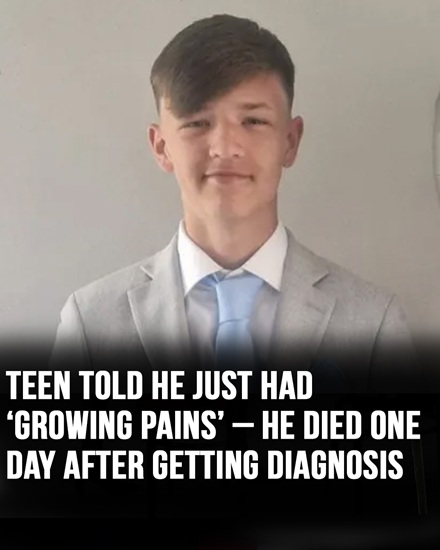
In the United Kingdom, the story of 16-year-old Harley Andrews drew widespread attention after reports described his sudden illness and rapid passing shortly after being diagnosed with leukemia. According to reporting from the Daily Mail and statements shared by individuals close to the family, the teenager’s condition escalated quickly over a short period of time. His case has since been widely discussed because of how fast the events unfolded between initial symptoms, diagnosis, and his passing.
The situation left his family, friends, and local community in deep shock and grief. Harley Andrews, a teenager from Leigh in Greater Manchester, was described by those who knew him as an active and energetic young boy. He reportedly enjoyed sports, particularly football and rugby, and was involved in everyday school and community life. Friends and acquaintances remembered him as a friendly and outgoing person who was well-liked among his peers.
Like many teenagers, he had no publicly known history of serious illness prior to the events that led to his hospitalization. His life, according to those close to him, was centered around school, sports, and family. According to accounts shared by family friends and reported by media outlets, Harley had initially visited a doctor weeks before his hospitalization after feeling generally unwell. At that time, his symptoms were not believed to indicate anything life-threatening.

Reports suggest that his condition was considered consistent with a possible viral infection or general fatigue. Some accounts also indicated that his symptoms may have been associated with normal adolescent growth-related changes. These early assessments did not suggest a serious underlying condition, which is not uncommon when symptoms are mild or non-specific.
As time passed, Harley’s condition reportedly changed when more concerning symptoms appeared. One of the key warning signs mentioned in reports was the presence of blood in his urine, which prompted his father to seek urgent medical care. This decision led to Harley being taken to Royal Bolton Hospital in Lancashire, where doctors carried out further examinations. It was during this hospital visit that the family received the devastating diagnosis that he had stage four leukemia, an advanced and aggressive form of blood cancer.
Leukemia is a cancer that affects blood cells and bone marrow, and in advanced stages it can progress rapidly throughout the body. According to the reported information, Harley’s condition had already reached a severe stage by the time it was identified. Medical findings reportedly included complications such as internal bleeding affecting multiple organs, including the brain. These complications are consistent with advanced cases of leukemia, where the disease can severely disrupt normal blood function and lead to critical health decline.
Family friends and individuals close to the situation described the emotional impact of the diagnosis as extremely overwhelming. One former school teaching assistant, who also knew the family personally, spoke publicly about the situation. She explained that the family had only recently taken Harley to the doctor and had not expected such a serious outcome. Her account emphasized that there were no clear early indicators that would have suggested a life-threatening illness, which contributed to the shock experienced by those involved.
Harley was admitted to the hospital on a Saturday after his condition worsened significantly. According to reports, his health declined rapidly within a very short period of time. Despite medical efforts, his condition continued to deteriorate. In the early hours of Sunday morning, November 9, he passed away. The extremely short time between diagnosis and death left his family with very little time to process what was happening, adding to the emotional trauma of the situation.
The sudden nature of his passing has been described as one of the most difficult aspects for his family to understand and cope with. Reports suggest that his mother had not fully absorbed the diagnosis before being informed of his death shortly afterward. This rapid sequence of events reflects how aggressive and fast-moving certain forms of leukemia can be, especially when they are diagnosed at an advanced stage. Medical professionals often note that some blood cancers can remain undetected until they reach critical levels.
Following his passing, a GoFundMe page was reportedly organized by a family friend to help support funeral expenses and assist the grieving family. The fundraiser described Harley as a kind and energetic teenager who was deeply loved by those around him. It highlighted his passion for football and the positive impact he had on friends and teammates. Messages shared through the fundraiser reflected the emotional loss felt by the community and the desire to support his family during a difficult time.
The local community in Leigh responded with grief and sympathy, as many people who knew Harley or his family expressed their condolences. He was described as the second of six children, and his loss was felt deeply within his household and extended family network. Tributes focused on his personality, his involvement in sports, and the joy he brought to others. The suddenness of his passing made the situation even more difficult for those who knew him personally.
Medical experts generally explain that leukemia symptoms can sometimes be difficult to recognize in early stages because they may resemble common illnesses such as infections or fatigue. This can lead to delays in diagnosis, especially when symptoms are mild or unclear. In some cases, aggressive forms of leukemia can progress rapidly once they reach advanced stages, which can significantly reduce the time available for treatment.
Harley’s story has since been widely shared through news coverage and social media discussions, drawing attention to the emotional impact of sudden medical emergencies in young people. It has also led to conversations about awareness of serious illness symptoms, although professionals emphasize that many early signs are non-specific and not easily identifiable without medical testing.
As the community continues to mourn, tributes to Harley have focused on his character, his friendships, and the positive memories he left behind. Support messages for his family have been shared widely, reflecting the strong emotional response to his passing. His memory has been honored through fundraising efforts and public condolences from those who were affected by the news.
While the reported medical details remain based on media and family statements, the central focus of the story is the sudden and tragic loss of a young life and the impact it had on those around him. The speed of the illness and the short time between diagnosis and passing have made the case particularly distressing for his family and community. In remembrance, his life continues to be honored through shared memories and community support.
