
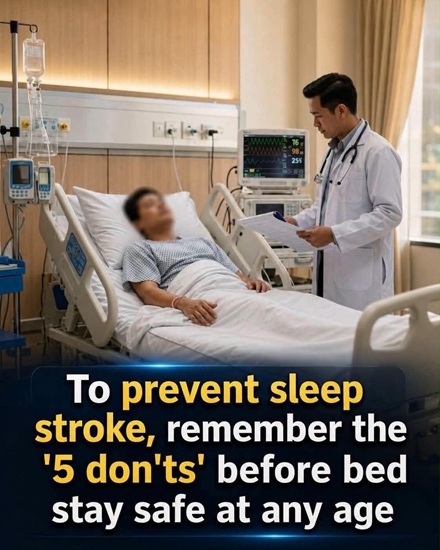
Stroke is a serious medical condition that happens when blood flow to a part of the brain is suddenly reduced or completely blocked. Without a steady supply of oxygen and nutrients, brain cells begin to die within minutes, which is why stroke is always treated as a medical emergency. According to established health sources such as the stroke information provided by global health organizations, quick recognition and immediate treatment are essential to reduce long-term damage.
There are two main types of stroke. The most common is an ischemic stroke, which occurs when a blood clot blocks an artery leading to the brain. The second is a hemorrhagic stroke, which happens when a weakened blood vessel ruptures and causes bleeding in the brain. There is also a related condition called a transient ischemic attack (TIA), often described as a warning stroke, where symptoms appear temporarily but resolve on their own. Even though TIAs do not cause permanent damage, they are a serious warning sign of possible future stroke risk.
A “wake-up stroke” refers to a situation where a person goes to sleep without any noticeable symptoms and wakes up already experiencing signs of a stroke. This does not mean the stroke is a separate type, but rather that it occurred during sleep and was only discovered afterward. Medical studies show that a significant portion of ischemic strokes are identified in this way, which makes early morning symptom awareness very important for patient safety.
Stroke symptoms are commonly remembered using the FAST method, which stands for Face drooping, Arm weakness, Speech difficulty, and Time to call emergency services. Some updated awareness campaigns also include balance problems and sudden vision loss as additional warning signs. These symptoms usually appear suddenly and should never be ignored, even if they seem to improve after a short time, because they may indicate a serious underlying problem.
Several well-known risk factors increase the likelihood of stroke. These include high blood pressure, diabetes, smoking, high cholesterol, obesity, physical inactivity, and excessive alcohol consumption. Over time, these factors can damage blood vessels and reduce their flexibility, making blockages or ruptures more likely. Medical experts consistently emphasize that managing these risk factors is one of the most effective ways to prevent stroke.
Sleep is a natural biological process during which the body regulates hormones, blood pressure, and cellular repair functions. Blood pressure normally changes throughout the night as part of the body’s circadian rhythm. In some individuals with existing health conditions, these fluctuations may contribute to increased cardiovascular strain. However, sleep itself is not harmful; it is an essential function for brain and body recovery.
One important medical condition linked to higher stroke risk is sleep apnea. This disorder causes repeated pauses in breathing during sleep, leading to lower oxygen levels in the blood. Over time, untreated sleep apnea can contribute to high blood pressure, heart strain, and increased risk of stroke. Proper diagnosis and treatment, such as using CPAP therapy, can significantly improve health outcomes and reduce these risks.
Diet and nighttime habits can also influence overall cardiovascular health. Eating very large or heavy meals late at night may affect digestion and sleep quality for some individuals. Health guidelines generally recommend balanced nutrition throughout the day, including fruits, vegetables, whole grains, and lean proteins. However, there is no universal rule about exact meal timing, as individual needs and lifestyles differ.
Alcohol consumption is another factor that can impact stroke risk. Drinking large amounts of alcohol or drinking frequently can increase blood pressure and disrupt normal heart rhythms. It may also affect sleep quality and overall recovery during the night. Medical guidance typically suggests moderation, as excessive alcohol intake is associated with a higher risk of both ischemic and hemorrhagic strokes.
Regular physical activity plays an important protective role in reducing stroke risk. Exercise helps improve blood circulation, maintain healthy blood pressure, and support overall heart function. Even simple activities such as walking can contribute positively when done consistently. Long-term movement and activity are considered key components of cardiovascular health by medical professionals.
Good sleep hygiene is also important for overall well-being. Maintaining a consistent sleep schedule, avoiding excessive screen time before bed, and creating a calm sleep environment can improve sleep quality. Poor sleep patterns over long periods have been linked in studies to increased cardiovascular risk, although sleep is only one factor among many that influence health.
Stroke prevention is not based on one single habit but rather a combination of long-term lifestyle choices. Controlling blood pressure, managing blood sugar levels, avoiding smoking, staying active, and maintaining a balanced diet are all strongly supported by medical research. Organizations such as the American Stroke Association emphasize that prevention is most effective when multiple healthy habits are practiced together.
It is important to avoid exaggerated or fear-based claims about stroke risk. While certain behaviors can increase long-term risk, not every daily habit directly causes stroke. Medical science focuses on probability, risk factors, and prevention strategies rather than absolute predictions. Understanding this helps people make informed and balanced health decisions.
In conclusion, stroke is a complex but well-understood medical condition influenced by many interconnected factors. Recognizing symptoms early—especially when they appear upon waking—is important for seeking urgent care. However, the most effective protection comes from long-term health management, including lifestyle choices, regular medical check-ups, and awareness of personal risk factors. With proper understanding and prevention, the risk of stroke can be significantly reduced over time.

