
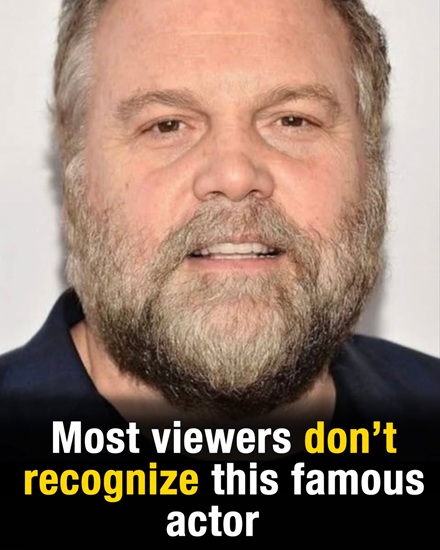
Vincent D’Onofrio is widely recognized for his unforgettable performance in Stanley Kubrick’s 1987 film Full Metal Jacket, where he portrayed Private Leonard Lawrence, often referred to by the nickname “Gomer Pyle.” The role became a defining moment in his early career and remains one of the most discussed transformations in modern film history. His performance captured both the physical and psychological demands of the character and left a lasting impression on audiences and critics alike.
Before achieving Hollywood recognition, D’Onofrio’s path into acting was far from conventional. Born in Brooklyn, New York, he explored stage acting in both off-Broadway and theatrical productions while taking on various jobs to support himself. These included work as a nightclub bouncer, flower delivery worker, cab driver, and stagehand. He also reportedly worked as a bodyguard for well-known figures such as Yul Brynner and Robert Plant during different periods of his early life.
His dedication to acting eventually led him toward more serious opportunities in film and television. A turning point came when actor Matthew Modine, a friend and co-star in Full Metal Jacket, encouraged him to submit an audition tape to director Stanley Kubrick. At the time, Kubrick was casting for what would become one of the most iconic war films ever made.
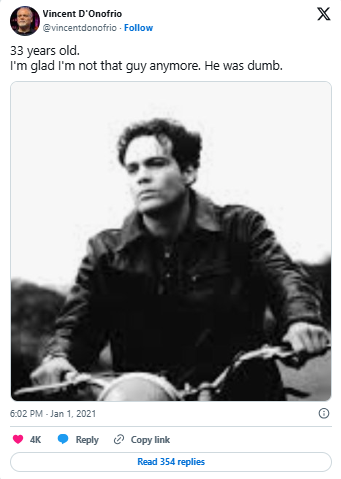
D’Onofrio, who was known for his athletic build and height of around 6-foot-3, was selected for the role of Private Leonard. However, the role required a major physical transformation. He gained a significant amount of weight and shaved his head to fully embody the character of a struggling Marine recruit undergoing intense psychological pressure during boot camp training.
In interviews over the years, D’Onofrio has discussed the challenges of this transformation. He reportedly gained between 70 to 80 pounds for the role, making it one of the most dramatic physical changes undertaken by an actor at the time. This transformation was part of Kubrick’s vision for authenticity, aiming to show the full evolution of the character from a physically capable recruit to a deeply troubled soldier.
The filming process itself was known to be demanding, particularly the boot camp sequences that required physical endurance. Despite the added weight, D’Onofrio had to perform physically intense scenes, including obstacle courses and military drills, which added to the difficulty of the role. These challenges contributed to the realism of his performance but also made the experience physically exhausting.
D’Onofrio’s portrayal of Private Leonard was widely praised by critics and audiences. His ability to convincingly shift from a disciplined recruit to a mentally unstable character demonstrated a high level of acting range and commitment. However, the transformation also had an unexpected impact on his public perception at the time, as some viewers struggled to separate the actor from the character he portrayed.
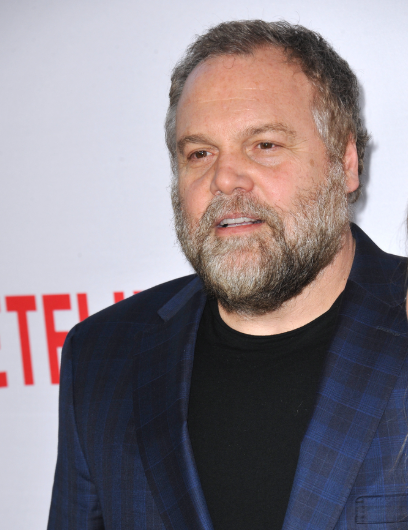
Following the release of Full Metal Jacket, D’Onofrio experienced a noticeable shift in how he was perceived in public. He has spoken in interviews about how dramatically his appearance changed audience reactions during that period. After the film, he returned to his natural physique and appearance, but the role had already cemented his reputation as a highly committed character actor willing to undergo extreme transformations.
Over the years, Vincent D’Onofrio built a diverse and extensive acting career across film, television, and production work. He became known for taking on complex and often unconventional roles, showcasing his ability to adapt to a wide range of characters. His career includes work in drama, crime series, science fiction, and blockbuster films.
One of his most notable television roles came in the long-running series Law & Order: Criminal Intent, where he played Detective Robert Goren from 2001 to 2011. His performance in the series was widely appreciated and became one of the defining roles of his television career. Later, he also gained renewed popularity through his portrayal of Wilson Fisk (Kingpin) in Marvel’s Daredevil series, which introduced him to a new generation of viewers.
In addition to acting, D’Onofrio has also worked as a director, producer, and writer. His creative contributions extend beyond acting roles, reflecting a long-standing involvement in different aspects of the entertainment industry. Over time, he has appeared in more than 50 film and television productions, demonstrating both consistency and versatility in his career.
His filmography includes roles in movies such as Dying Young, The Break-Up, Jurassic World, and The Unforgivable. These roles further highlight his ability to move between supporting and leading characters across different genres, from romantic drama to action and science fiction.
Outside of his professional work, D’Onofrio’s personal life has also been publicly documented over the years. He experienced changes in family life, including relationships and marriage. He has children and has spoken in various interviews about the importance of family and how personal experiences have influenced his outlook on life and acting.
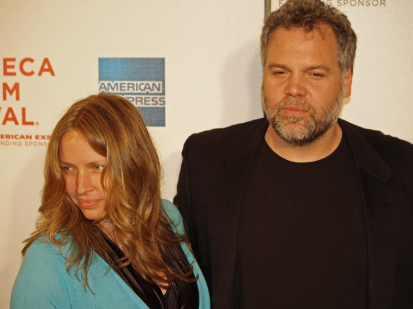
In earlier years, he was in a relationship with actress Greta Scacchi, with whom he shares a daughter. Later, he married Dutch model Carin van der Donk in 1997. The couple had two sons together but experienced periods of separation and reconciliation over the years. In 2023, reports confirmed that divorce proceedings were initiated, marking the end of their long-term marriage.
Despite changes in his personal life, D’Onofrio has continued to maintain a steady presence in the entertainment industry. He has balanced work in both mainstream productions and more character-driven projects, often choosing roles that emphasize emotional depth and complexity.
In recent years, he has also expanded into writing and other creative work. His continued involvement in storytelling reflects his long-term dedication to the arts and his desire to explore different forms of expression beyond acting alone.
Vincent D’Onofrio’s career is often described as one built on transformation, versatility, and commitment. From his breakthrough role in Full Metal Jacket to his later success in television and film, he has consistently demonstrated a willingness to take on challenging roles and evolve as an actor over time.
Today, he remains a respected figure in Hollywood, known for his powerful performances and ability to fully embody the characters he plays. His journey from stage actor and working-class jobs to international recognition highlights both persistence and adaptability in a highly competitive industry.
His legacy continues to be shaped by a combination of early breakthrough success, long-term television roles, and a steady stream of diverse film appearances, making him one of the more distinctive and enduring actors of his generation.

