

Food is normally associated with nourishment, culture, pleasure, and family traditions. However, certain plants and animals contain naturally occurring compounds that may cause illness when the food is improperly processed, incorrectly identified, consumed in excessive quantities, or eaten by someone with a particular medical condition. Calling these items the “deadliest foods in the world” may attract attention, but that wording can also oversimplify the science and frighten readers unnecessarily.
A more accurate approach is to explain where the danger comes from, how people traditionally manage it, and which claims are supported by reliable health authorities. Natural food toxins are not the same as bacterial contamination caused by poor refrigeration or unhygienic handling. Some toxins are produced by plants as a defense against insects and animals, while others occur naturally in fish, fungi, or seeds.
The World Health Organization notes that naturally occurring toxins can cause both acute poisoning and longer-term health effects, depending on exposure. Cyanogenic glycosides, for example, occur in several edible plants and can release hydrogen cyanide when plant tissue is damaged and the compounds are broken down.
The existence of a natural toxin does not necessarily mean that the entire food must always be avoided. Human communities have developed peeling, soaking, fermenting, drying, cooking, and other processing techniques that can substantially reduce certain hazards. Nevertheless, methods that work for one variety or product may not be adequate for another. Readers should therefore rely on established preparation traditions, public-health advice, commercial food standards, and professional guidance rather than experimenting with potentially toxic ingredients at home.
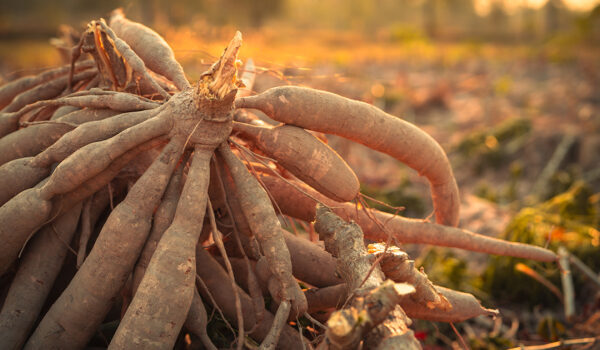
1. Cassava: A Vital Staple That Requires Correct Processing
Cassava is a starchy root crop consumed in many tropical regions. It is valued because it can grow under difficult agricultural conditions and provides an important source of dietary energy. Its role in food security is substantial, especially in communities where drought, poor soil, limited infrastructure, or economic hardship restrict access to other crops. The problem is not that cassava is inherently unsuitable as food; the danger arises when certain varieties are eaten raw or are not processed sufficiently.
Cassava contains cyanogenic glycosides, natural plant compounds capable of releasing cyanide. The level varies according to the variety, growing environment, plant condition, and part of the plant being used. Bitter varieties generally require more extensive processing than varieties commonly described as sweet. The World Health Organization identifies cassava among the important food plants containing cyanogenic compounds and explains that toxicity depends on whether consumption produces a harmful concentration of cyanide in the body.
Acute cyanide poisoning can interfere with the body’s ability to use oxygen. Symptoms may include headache, dizziness, nausea, weakness, confusion, breathing difficulties, loss of consciousness, and, in severe cases, death. Long-term dependence on inadequately processed cassava has also been associated with neurological disease in some food-insecure populations, particularly when diets are low in protein and communities lack the resources needed for proper processing. This risk should not be used to stigmatize cultures that rely on cassava; it demonstrates why food education, infrastructure, and nutritional support matter.
A WHO-affiliated investigation of a cassava-related food-poisoning outbreak identified insufficiently processed bitter cassava as the source of illness. The report described processing approaches that included peeling, grating, prolonged soaking, squeezing, and thorough cooking for bitter cassava. It also noted that sweet cassava may be made safer through peeling and thorough cooking, although people should still follow regionally appropriate guidance because cyanide content is not visible to the eye.
It would therefore be misleading to tell readers that briefly boiling any cassava root automatically makes it safe. The necessary method depends on the product and variety. Commercial cassava flour and prepared cassava foods may be manufactured under standards intended to control cyanide levels, but raw roots bought from informal sources require knowledgeable handling. Anyone unfamiliar with cassava preparation should purchase professionally processed products or seek instructions from a qualified local food-safety authority.
Cassava remains an essential and valuable crop rather than a food that should be sensationalized. The central lesson is that traditional processing techniques are not merely culinary customs; they often perform an important safety function. Public-health agencies can reduce poisoning by supporting community education, access to clean water, dependable processing equipment, and food-testing systems, especially during droughts or periods when families may shorten preparation times because of hunger.
2. Pufferfish and Fugu: A Delicacy Requiring Specialized Control
Pufferfish can contain tetrodotoxin, a powerful neurotoxin that may be present in different concentrations depending on the species and the organs involved. Some species carry particularly high concentrations in tissues such as the liver, ovaries, intestines, or skin. Tetrodotoxin interferes with electrical signaling in nerves and muscles, which can lead to numbness, weakness, paralysis, respiratory failure, and death. The toxin is not reliably destroyed by ordinary cooking, freezing, or washing.
The United States Food and Drug Administration states that tetrodotoxin poisoning may result from eating pufferfish and that some species contain concentrations capable of causing rapid death. The FDA has long restricted pufferfish imports because of the risk posed by tetrodotoxin and uses controlled arrangements for certain authorized products. These restrictions demonstrate that safe commercial handling depends on species identification, regulated sourcing, trained processing, and careful oversight rather than simply removing whatever parts appear suspicious.
Symptoms of pufferfish poisoning can begin with tingling or numbness around the mouth, followed by weakness, difficulty speaking, loss of coordination, paralysis, or breathing problems. The severity and timing depend on the amount of toxin consumed. A person may remain conscious while muscular paralysis progresses, making the experience particularly distressing. There is no widely available antidote that directly neutralizes tetrodotoxin; hospital treatment focuses on supporting breathing and other vital functions until the toxin is cleared.

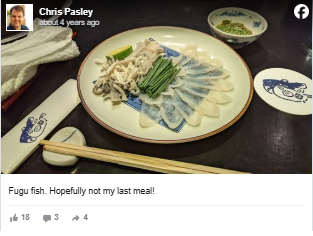
Fugu is a traditional Japanese dish prepared from approved pufferfish species. Its preparation is regulated, and professional chefs undergo specialized training under applicable local requirements. The continued consumption of fugu is linked to culinary tradition, professional craftsmanship, seasonal dining, and the distinctive texture and flavor of the fish. Responsible reporting should not portray Japanese diners as recklessly seeking death or suggest that poisoning is an intended part of the experience.
The claim that diners should experience a desirable “tingle” from residual toxin is unsafe and should not be promoted. Tingling or numbness may be an early sign of poisoning rather than a harmless mark of culinary authenticity. Consumers should never attempt to prepare wild-caught pufferfish based on a video, internet article, or visual guess. Species can be difficult to distinguish, and toxin distribution may vary between individual fish.
The FDA advises that seafood-related toxin illnesses, including suspected pufferfish poisoning, require prompt reporting and medical attention. Anyone who develops numbness, weakness, vomiting, confusion, trouble swallowing, or breathing difficulty after eating pufferfish should treat the situation as an emergency. Waiting for symptoms to become severe can reduce the time available for supportive treatment.
Fugu shows how a potentially dangerous ingredient can become part of a regulated culinary tradition, but only when strict controls are followed. The appropriate message is not that adventurous diners should test their courage. It is that specialized foods demand specialized knowledge, legally compliant sourcing, professional preparation, and immediate medical action if symptoms appear.
3. Starfruit: A Particular Risk for People With Kidney Disease
Starfruit, also known as carambola, is a yellow or green fruit whose cross-section resembles a star. It is eaten fresh, juiced, cooked, or added to salads and desserts in many regions. For most consumers it is regarded as an ordinary fruit, but it can pose a serious and sometimes life-threatening risk to people whose kidneys cannot adequately remove certain compounds from the bloodstream.
The National Kidney Foundation advises people with kidney disease to avoid starfruit because a naturally occurring toxin may accumulate and affect the nervous system. Reported symptoms include persistent hiccups, vomiting, agitation, confusion, muscle weakness, seizures, altered consciousness, and other neurological complications. The risk may be especially serious in people receiving dialysis or those with advanced loss of kidney function.
It is inaccurate to say that starfruit is “completely safe” for every person believed to have healthy kidneys. Most healthy adults can consume ordinary food portions without experiencing toxicity, but individual circumstances still matter. A person may have undiagnosed kidney impairment, may consume a concentrated juice or unusually large amount, or may take medication that interacts with compounds in the fruit. General health articles should therefore avoid absolute guarantees.
People with chronic kidney disease, reduced kidney function, a history of dialysis, or uncertainty about their kidney health should speak with their healthcare team before consuming starfruit. They should also check mixed fruit juices, tropical beverages, preserves, and restaurant dishes because starfruit may be present even when it is not the primary ingredient. Medical guidance is particularly important because merely reducing the portion may not eliminate the danger for a vulnerable patient.
The risk does not make starfruit a “bad” fruit or justify alarm among the general population. It demonstrates how a food that is tolerated by most people can become hazardous when the body’s normal elimination systems are impaired. Similar principles apply to potassium, phosphorus, medications, and many supplements in kidney disease: recommendations must be individualized rather than copied from general wellness content.
If someone with kidney disease consumes starfruit and develops unusual hiccups, vomiting, confusion, weakness, or neurological symptoms, the situation should be treated urgently. The person or caregiver should contact emergency services or a medical professional and clearly mention the starfruit exposure. Providing that detail can help clinicians consider a toxin-related cause more quickly.
4. Cherry Pits and Apple Seeds: The Fruit Is Safe, but the Kernels Require Caution
Apples and cherries are nutritious fruits that are safely eaten by millions of people. The concern involves the seeds or kernels rather than the fruit flesh. Apple seeds and the kernels inside the hard pits of cherries and other stone fruits contain amygdalin. When amygdalin is released and metabolized, it can generate cyanide, which can interfere with cellular oxygen use.
Poison Control explains that poisoning is more likely when pits or seeds are crushed, ground, or thoroughly chewed before being swallowed. The hard outer shell of a cherry pit ordinarily limits access to the kernel. Accidentally swallowing one intact pit usually does not result in poisoning, although it can present a choking risk, particularly for children.
Apple seeds contain much less amygdalin than some stone-fruit kernels. Accidentally swallowing the seeds from an apple core is not normally expected to cause cyanide poisoning. A harmful exposure would generally require chewing and swallowing a much larger number. This distinction matters because alarming headlines sometimes imply that eating a single apple seed is deadly, which is not supported by poison-control guidance.
Nevertheless, seeds and kernels should not be deliberately collected, ground into powders, added to smoothies, or consumed as home remedies. Products marketed as natural treatments may contain concentrated apricot, peach, plum, or cherry kernels with significantly greater potential for cyanide exposure. “Natural” does not mean harmless, and a compound produced by a plant can be just as medically serious as a manufactured poison.
Parents and caregivers should keep loose pits away from young children because they may choke on them or attempt to crack them open. Fruit processors should remove damaged stones from jams, juices, and baked goods when possible. Anyone who deliberately consumes many crushed seeds or kernels, or who develops headache, dizziness, vomiting, breathing difficulty, confusion, or collapse after an exposure, should seek immediate poison-control or emergency guidance.
The responsible message is reassuring but clear: apples and cherries themselves are safe foods, accidental ingestion of a small number of intact seeds or pits is usually not a poisoning emergency, but chewing or consuming concentrated kernels can increase risk. Avoiding exaggerated claims allows readers to take the genuine hazard seriously without becoming needlessly afraid of ordinary fruit.
5. Green or Sprouted Potatoes: When Natural Glycoalkaloids Increase
Potatoes naturally contain glycoalkaloids, including solanine and chaconine. Concentrations are usually low in properly stored potatoes, but they can increase when tubers are exposed to light, physically damaged, aged, or allowed to sprout. The visible green pigment is chlorophyll, which is not itself the toxin, but greening can occur under the same conditions that encourage glycoalkaloid accumulation.
Symptoms of glycoalkaloid poisoning may include a bitter or burning sensation in the mouth, nausea, vomiting, abdominal pain, and diarrhea. More serious cases may involve weakness, confusion, abnormal heart rate, low blood pressure, neurological effects, or loss of consciousness. Severe poisoning is uncommon, but the possibility is sufficient to justify discarding potatoes that are extensively green, bitter, damaged, or heavily sprouted.
One important correction to popular advice is that green potatoes should not automatically be considered safe merely because the peel has been removed. Glycoalkaloids are often concentrated near the skin and sprouts, so peeling may lower the amount, but it does not guarantee safety when greening is extensive. Poison Control recommends discarding potatoes that have turned green or developed sprouts rather than relying on home preparation to remove the hazard completely.
Cooking also does not provide a dependable solution. Ordinary boiling, baking, or microwaving may not destroy enough glycoalkaloid to make a severely affected potato safe. A strongly bitter taste is an important warning, but consumers should not deliberately taste questionable potatoes to test them. Visible sprouts, substantial greening, shriveling, damage, and improper storage are already sufficient reasons to avoid the product.
Potatoes should be kept in a cool, dark, dry, and well-ventilated place. They should not be stored where sunlight or strong kitchen lighting reaches them for extended periods. Clear plastic bags and exposed countertops can promote greening, while moisture may encourage spoilage. Food businesses and households should rotate older stock and inspect potatoes before preparation.
The vast majority of commercially sold potatoes can be eaten safely when fresh, properly stored, and normally prepared. The goal is not to discourage a nutritious and widely consumed vegetable. It is to help consumers recognize when natural defense compounds may have increased and to understand that discarding a questionable potato is safer than attempting to rescue it.
A More Accurate Way to Discuss “Dangerous Foods”
These five examples reveal why food safety cannot be reduced to dramatic rankings. Cassava risk depends heavily on variety and processing. Pufferfish requires regulated professional preparation. Starfruit presents a distinct danger for people with kidney impairment. Fruit flesh remains safe even though crushed seeds or kernels may contain cyanogenic compounds. Green potatoes are avoidable storage failures rather than inherently poisonous vegetables.
The people who continue eating these foods are not necessarily ignoring obvious danger. In many cases, they rely on generations of preparation knowledge, commercial regulation, food standards, trained professionals, or individual medical guidance. Cassava provides essential calories, fugu is part of a controlled culinary tradition, starfruit is an ordinary fruit for most consumers, and apples, cherries, and potatoes remain familiar components of balanced diets.
The safest articles separate ordinary consumption from exceptional circumstances. They avoid promising that one preparation step makes every product safe, and they do not encourage readers to test toxic foods themselves. They also recognize that risk communication works best when people receive practical, accurate information rather than fear-based descriptions.

