
Many people have experienced the strange sensation of waking up in the middle of the night with a numb arm or a tingling hand that seems temporarily “asleep.” Although the feeling can be surprising or even unsettling, it is usually short-lived and resolves within a few minutes after changing position. This common experience is often described as “pins and needles,” but the medical term for the sensation is paresthesia. While temporary paresthesia is generally harmless, understanding why it happens—and recognizing when it may signal a more serious medical condition—is important for maintaining overall health.
Paresthesia refers to an abnormal sensation such as tingling, numbness, burning, prickling, or the feeling that tiny pins are touching the skin. According to neurological health organizations, these sensations occur when communication between a nerve and the brain is temporarily disrupted or altered. Unlike pain caused by an injury, paresthesia often creates discomfort without causing tissue damage. The sensation may affect the hands, fingers, arms, feet, legs, or other parts of the body depending on which nerve is involved.
One of the most common causes of temporary paresthesia is prolonged pressure on a nerve. For example, sleeping with an arm underneath your body or resting your elbow on a hard surface for an extended period may compress nearby nerves. When this happens, the nerve’s normal ability to transmit signals becomes temporarily impaired. Once the pressure is relieved by changing position, nerve function gradually returns, and the familiar tingling sensation may appear before normal feeling is restored. This temporary form is commonly known as transient paresthesia.
Many people mistakenly believe that the tingling itself is caused by blood suddenly rushing back into the affected limb. While restoring normal circulation may contribute to recovery, researchers generally explain that the primary mechanism involves the nerve itself. Pressure on a nerve can interrupt its ability to transmit electrical signals normally. As the nerve begins functioning again after the pressure is removed, unusual sensations such as tingling or prickling may occur briefly before sensation returns to normal. This process usually resolves naturally within a few minutes.

Several everyday situations can contribute to transient paresthesia. Sleeping in an awkward position, crossing your legs for a prolonged period, leaning heavily on your arms while reading or using electronic devices, or maintaining the same posture during long trips may all place pressure on nerves. Office workers, students, drivers, and travelers sometimes experience temporary numbness after remaining in one position for extended periods. In most cases, simply changing position and allowing the affected area to move freely is enough to restore normal sensation.
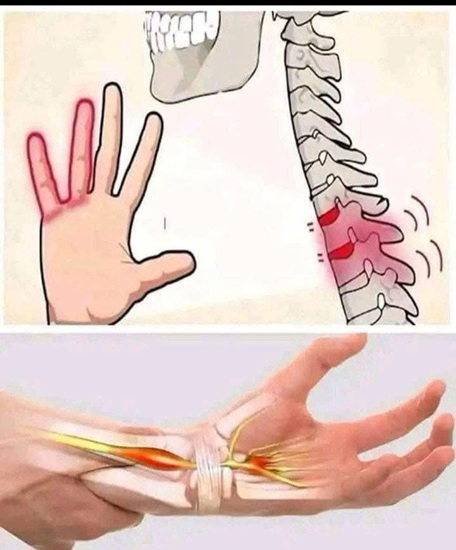
Although temporary paresthesia is common, it is important to recognize that tingling sensations are not always related to body position alone. Various medical conditions can also affect the nerves. Problems involving the spine, such as a herniated disc, may compress spinal nerve roots and produce numbness or tingling in specific areas of the arms or legs. Similarly, nerve injuries resulting from accidents or repetitive movements can interfere with normal nerve function and produce similar symptoms. These situations often require evaluation by a qualified healthcare professional.
Another condition frequently associated with numbness and tingling is carpal tunnel syndrome, which occurs when the median nerve is compressed as it passes through the wrist. This condition commonly affects people whose work or hobbies involve repetitive hand movements, although multiple factors may contribute to its development. Symptoms often include tingling in the thumb, index finger, middle finger, and part of the ring finger, particularly during the night or after prolonged activity. Early evaluation may help guide appropriate treatment if symptoms become persistent.
In addition to nerve compression, certain health conditions may increase the likelihood of experiencing paresthesia. Diabetes, vitamin deficiencies, thyroid disorders, autoimmune diseases, and some infections may all affect the peripheral nervous system. Certain medications, excessive alcohol consumption, or exposure to specific toxins may also contribute to nerve damage in some individuals. Because many different conditions can produce similar symptoms, healthcare professionals consider a person’s medical history, physical examination, and, when appropriate, additional testing before determining the underlying cause.
Fortunately, temporary paresthesia caused by prolonged pressure usually improves quickly once the affected limb is repositioned. Gentle movement, stretching, or lightly massaging the area may help restore normal sensation by relieving pressure on the nerve and encouraging comfortable movement. Most people notice gradual improvement within a few minutes. However, persistent numbness, repeated episodes without an obvious cause, or symptoms accompanied by other neurological changes should not be ignored, as they may indicate an underlying medical condition requiring professional assessment.
Understanding the difference between temporary and persistent paresthesia is one of the most important aspects of recognizing when medical advice may be appropriate. While occasional “pins and needles” after sleeping in an unusual position are extremely common and usually harmless, ongoing or unexplained symptoms deserve careful evaluation. Recognizing these differences allows individuals to respond appropriately while avoiding unnecessary worry about the occasional temporary numbness that many people experience during everyday life.
While occasional episodes of temporary paresthesia are generally harmless, persistent or recurring numbness deserves closer attention. If tingling sensations occur frequently without an obvious cause, last much longer than expected, or continue even after changing position, it is advisable to consult a qualified healthcare professional. A medical evaluation can help determine whether the symptoms are related to nerve compression, an underlying medical condition, or another cause that may require treatment. Early assessment can be especially valuable when symptoms begin interfering with daily activities or quality of life.
Healthcare professionals evaluate paresthesia by considering several factors, including when the symptoms began, how long they last, which parts of the body are affected, and whether other symptoms occur at the same time. During an examination, a clinician may ask about recent injuries, medical history, medications, work activities, and lifestyle habits that could influence nerve function. Depending on the situation, additional testing—such as blood tests, imaging studies, or nerve conduction studies—may be recommended to help identify the underlying cause. The appropriate evaluation varies from person to person based on individual circumstances.
Certain warning signs should not be ignored because they may indicate a medical emergency. Sudden numbness or weakness affecting one side of the body, difficulty speaking, confusion, sudden vision changes, severe dizziness, loss of coordination, or a sudden severe headache require immediate medical attention. These symptoms may be associated with serious neurological conditions, including stroke, and should be evaluated as quickly as possible. Prompt medical care is essential whenever these warning signs appear, as early treatment can significantly influence outcomes.
Persistent paresthesia may also occur in association with long-term neurological or medical conditions. Depending on the individual’s health, chronic numbness or tingling can sometimes be related to peripheral neuropathy, multiple sclerosis, certain vitamin deficiencies, thyroid disorders, diabetes, autoimmune diseases, or nerve compression syndromes such as carpal tunnel syndrome. Because these conditions have different causes and treatments, an accurate diagnosis from a healthcare professional is essential. Self-diagnosis based solely on internet information may delay appropriate care or overlook important symptoms.
Daily habits can also play a role in maintaining healthy nerve function. Taking regular breaks during repetitive activities, maintaining good posture while sitting or working, using ergonomically designed equipment when appropriate, and avoiding prolonged pressure on the same part of the body may help reduce episodes of temporary nerve compression. Individuals whose work involves extended computer use or repetitive hand movements may benefit from adjusting workstation ergonomics and incorporating periodic stretching throughout the day. These practical measures support overall comfort but are not substitutes for medical evaluation when symptoms become persistent.
General health also contributes to healthy nerve function. Eating a balanced diet that provides essential nutrients, staying physically active according to individual ability, managing chronic medical conditions with professional guidance, obtaining adequate sleep, and avoiding tobacco use all support overall neurological health. For people living with conditions such as diabetes, following prescribed treatment plans and attending regular medical appointments can help reduce the risk of complications that may affect peripheral nerves over time.
One common misunderstanding is that every episode of tingling indicates a serious disease. In reality, temporary paresthesia caused by sleeping in an awkward position or placing pressure on a nerve is extremely common and is usually harmless. At the same time, it is equally important not to dismiss symptoms that are unusual, persistent, or progressively worsening. Understanding the difference between occasional transient numbness and symptoms that require professional assessment helps individuals make informed decisions about when to seek medical advice.
Another important point is that the location of numbness may provide useful information for healthcare professionals. Tingling limited to certain fingers may suggest involvement of a specific nerve, while numbness affecting larger portions of an arm or leg could indicate a different pattern requiring further evaluation. Symptoms occurring on both sides of the body, appearing repeatedly during specific activities, or gradually increasing over time may also help guide the diagnostic process. These observations are valuable for clinicians when determining the most appropriate next steps.
Although online articles can provide general educational information about health conditions, they cannot replace personalized medical advice. Every person’s medical history, symptoms, and risk factors are unique. For that reason, any new, persistent, or concerning neurological symptoms should be discussed with a licensed healthcare professional who can perform an appropriate examination and recommend individualized care based on current medical evidence.
In summary, paresthesia is a common sensation that many people experience at some point in their lives. Most episodes are temporary and occur because pressure on a nerve briefly interrupts normal signaling, resolving after movement or a change in position. However, when numbness or tingling becomes persistent, occurs repeatedly without an obvious explanation, or is accompanied by symptoms such as weakness, confusion, difficulty speaking, or sudden severe headache, prompt medical evaluation is essential.
Understanding these differences allows people to respond appropriately while recognizing when professional medical care may be needed. Staying informed, maintaining healthy daily habits, and seeking timely medical advice when symptoms change remain the most reliable ways to protect long-term neurological health.

