
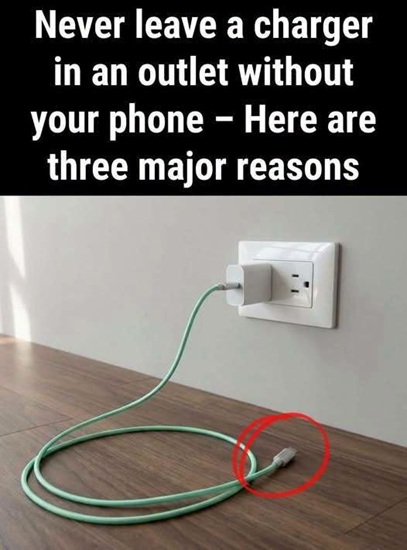
Modern homes depend on electronic devices more than ever before. Smartphones, laptops, tablets, wireless earbuds, smartwatches, portable speakers, and countless other rechargeable gadgets have become part of everyday life. With so many devices in regular use, chargers have also become a permanent feature in many homes. It is common to find a phone charger plugged in beside the bed, a laptop adapter under a desk, or a tablet cable connected to a kitchen outlet.
Because these chargers are so familiar, many people rarely stop to think about whether they should remain plugged in after the device has finished charging. While a modern, undamaged charger is generally designed to operate safely, unplugging chargers when they are not in use is still a practical habit that can help reduce clutter, encourage regular equipment inspections, and support good household electrical practices. One reason this habit is worth considering is that many electronic chargers continue to draw a very small amount of electricity even when no device is connected.
This is commonly referred to as standby or “vampire” power. For an individual charger, the amount of electricity consumed is usually very small, especially with newer, energy-efficient models. However, many households own numerous chargers, power adapters, and electronic accessories that remain plugged in around the clock. Although the total energy use is often modest, unplugging chargers that are not needed can still contribute to reducing unnecessary electricity consumption and encourage more mindful energy habits throughout the home.
Another benefit of unplugging chargers is that it encourages people to pay closer attention to the condition of their electrical equipment. Chargers, cables, and plugs naturally experience wear over time. Frequent bending, twisting, pulling, or accidental damage can weaken cords or loosen connectors. By handling chargers regularly instead of leaving them permanently attached to the wall, it becomes much easier to notice early signs of wear. Small cracks in the plastic housing, bent prongs, frayed insulation, or loose cable connections are easier to identify when chargers are picked up and inspected as part of a normal routine. Discovering these problems early allows damaged accessories to be replaced before they become more serious.
The outlet itself also deserves attention. Electrical outlets are designed to provide secure contact between the plug and the electrical supply. Over many years of use, some outlets may become loose or worn, especially in areas where plugs are inserted and removed frequently. A charger that no longer fits securely, slips out easily, or feels unstable may indicate that the outlet should be inspected by a qualified electrician. Keeping outlets clear whenever they are not actively being used also makes them easier to observe during routine cleaning or home maintenance. A clean, accessible outlet is generally easier to monitor than one hidden behind a collection of cables and adapters.
Heat is another factor worth paying attention to. During normal operation, many chargers become slightly warm while actively charging a phone, tablet, or laptop. Mild warmth is often expected and does not automatically indicate a problem. However, a charger that becomes unusually hot, develops a burning smell, produces discoloration, or shows visible signs of damage should be unplugged immediately and replaced. Likewise, chargers with cracked housings, exposed wires, damaged insulation, bent metal contacts, or loose connectors should no longer be used. Replacing damaged charging equipment is an important part of maintaining a safe electrical environment in any home.
Keeping chargers plugged into outlets can also contribute to unnecessary visual clutter. Many people have experienced looking behind a television stand, beside a nightstand, or underneath a desk only to find several tangled charging cables that are no longer connected to any device. Over time, unused chargers can accumulate throughout the home without anyone realizing how many are actually present. Establishing the simple habit of unplugging chargers after use and storing them neatly in a designated drawer, organizer, or charging station helps create a cleaner appearance while making it easier to find the charger that is actually needed.
A more organized charging system can also improve daily convenience. Instead of searching through tangled cords or wondering which charger belongs to which device, family members can keep charging accessories sorted and labeled if necessary. This approach is especially useful in households where several people own similar devices that use identical charging cables. Keeping chargers together in one organized location reduces confusion and helps prevent accidental mix-ups. It also minimizes the likelihood of stepping on loose cords or damaging adapters that have been left on the floor or hanging from furniture.
Another advantage of unplugging unused chargers is that it encourages thoughtful use of electrical outlets. Every outlet in a home serves an important purpose, and keeping them available when they are not needed makes it easier to plug in appliances temporarily without constantly rearranging cables. Outlets that remain crowded with multiple adapters, extension cords, or charging bricks can become difficult to access and more challenging to inspect. A tidy electrical setup often makes routine cleaning easier as well, since dust and debris tend to collect around cords and plugs that remain undisturbed for long periods.
While most modern chargers from reputable manufacturers are built with multiple safety features, quality can vary significantly between products. Certified chargers that meet recognized safety standards are generally more reliable than inexpensive counterfeit or poorly manufactured alternatives. Using original chargers supplied by the device manufacturer or replacements certified for compatibility helps reduce the likelihood of electrical problems. Purchasing charging equipment from trusted retailers and avoiding visibly damaged or unusually low-quality accessories are additional steps that support safe everyday use.
Parents may also find that creating a regular charging routine helps teach children responsible habits around electricity. Encouraging family members to unplug chargers when they finish using them, keep cords neatly stored, and report any damaged cables helps build awareness without creating unnecessary fear. Children can learn that electrical equipment deserves respect and regular inspection, just like other household items. These simple habits can become part of broader lessons about home safety, organization, and caring for personal belongings.
Building better charging habits does not require major changes or expensive equipment. Small daily actions often make the biggest difference over time. After a phone or laptop reaches a sufficient charge, unplugging the charger from the outlet, loosely wrapping the cable without sharp bends, and placing it in a designated storage area takes only a few seconds. At the same time, it provides an opportunity to notice whether the charger still appears to be in good condition and whether the outlet feels secure and functions normally.
Ultimately, unplugging chargers when they are not being used is less about fear and more about developing thoughtful household routines. Modern chargers are generally safe when they are undamaged and used according to the manufacturer’s instructions. However, unplugging unused chargers can help reduce small amounts of standby energy use, minimize clutter, encourage regular inspection of electrical accessories, and promote better organization throughout the home. Combined with using high-quality chargers, replacing damaged equipment promptly, and following basic electrical safety practices, this simple habit can contribute to a cleaner, more organized, and well-maintained living environment. Although it may seem like a minor change, small everyday habits often play an important role in creating a home that feels safer, more efficient, and easier to manage for everyone who lives there.

