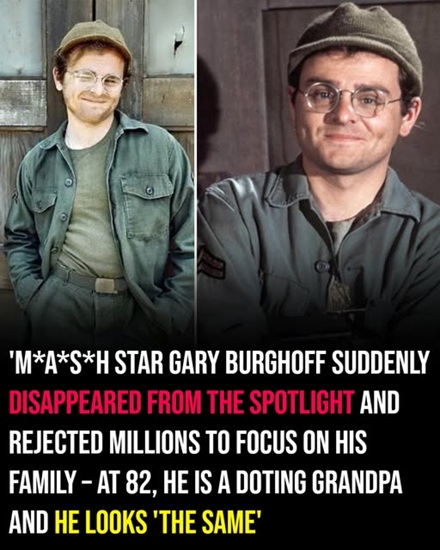
Gary Burghoff is widely recognized for his unforgettable portrayal of Corporal Walter “Radar” O’Reilly in the iconic television series MASH*. The character became one of the most beloved figures in American television history, known for his innocence, emotional sensitivity, and almost intuitive ability to anticipate events before they happened. Burghoff’s performance helped shape the tone of the series and contributed significantly to its long-lasting success. Before his role in the television adaptation, Burghoff first appeared as Radar in the original 1970 film MASH, directed by Robert Altman.
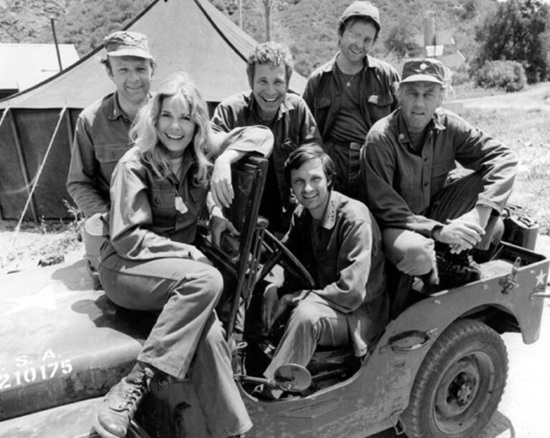
He was the only actor from the film who went on to reprise his role in the television version, which premiered in 1972. This transition from film to television allowed him to further develop the character, giving Radar more emotional depth and screen presence over time. The television series MASH* was set during the Korean War and focused on the lives of medical personnel working in a mobile army surgical hospital. While the series was centered on war, it became famous for blending comedy with serious emotional and moral themes.
Burghoff’s character served as a unique emotional anchor, often representing innocence and humanity in the midst of chaos. During the early seasons, Burghoff appeared regularly and became a central part of the ensemble cast. His interactions with other characters helped establish the heart of the series. However, as production continued, his appearances gradually became less frequent. Reports from the production period and interviews suggest that the demands of filming, combined with personal considerations, influenced changes in his schedule.
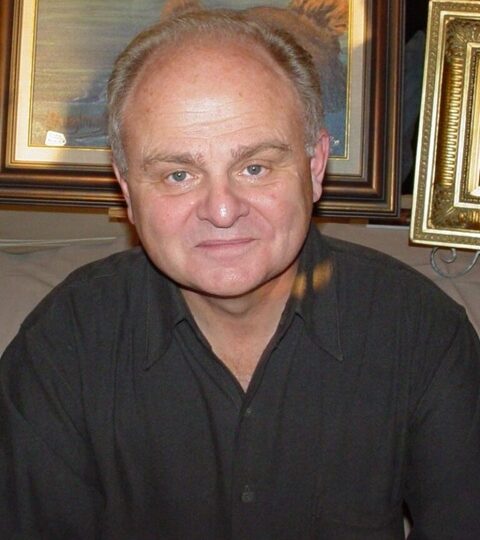
Eventually, Burghoff made the decision to leave the series as a regular cast member. His departure was written into the storyline in a two-part episode titled “Good-Bye Radar.” In the show, Radar’s character leaves the army after receiving a hardship discharge. The episodes were designed to provide emotional closure while respecting the character’s importance to the series.
In later interviews, Burghoff explained that his decision to leave MASH* was deeply influenced by his desire to prioritize family life. He has spoken about the difficulty of balancing long filming schedules with personal responsibilities. While the show brought him significant fame, he ultimately chose a path that allowed him to spend more time at home rather than continuing a demanding television career.
After leaving the show, Burghoff received multiple offers for television and film roles. However, he chose not to pursue many of these opportunities. Instead, he focused on regional theater work, which allowed for more flexible scheduling. This decision reflected his preference for a quieter, more controlled lifestyle away from Hollywood pressures.
Despite stepping away from mainstream television, Burghoff continued to remain creatively active. He pursued various artistic interests, including painting and wildlife art. His work in visual art, particularly depictions of North American wildlife, gained recognition and was displayed in galleries. This transition showed his continued commitment to creative expression outside of acting.
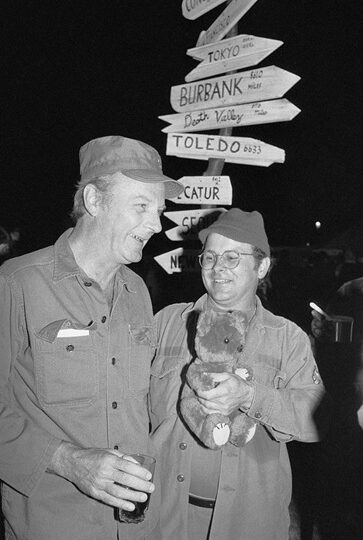
Burghoff also maintained a long-standing interest in music, especially jazz drumming. In addition, he explored other personal projects and inventions, including devices related to fishing. These hobbies highlight his diverse interests and demonstrate that his talents extended beyond acting into multiple creative fields.
On a personal level, Burghoff’s life included both family milestones and challenges. He has children from his marriages and has often spoken about the importance of fatherhood. His decision to reduce his acting commitments was closely tied to his desire to be more present in his children’s lives, reflecting a consistent theme in his personal choices.
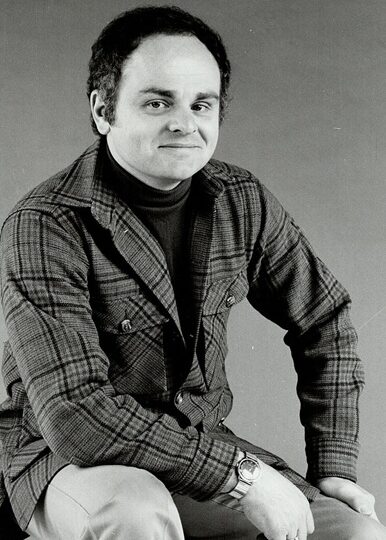
Although MASH* ended in 1983, Burghoff’s character remained culturally relevant for decades. The series itself became one of the most acclaimed television shows in history, praised for its writing, performances, and ability to combine humor with serious themes. Radar O’Reilly remains one of the most recognizable characters from the series, often remembered for his emotional sincerity and unique personality.
After his departure, Burghoff briefly revisited the role in spin-off projects, including AfterMASH and the proposed series WALTER*, which followed Radar’s life after leaving the military. While AfterMASH aired for a short time, WALTER* was not picked up as a full series. These projects demonstrated continued audience interest in the character even after the original show ended.
Over time, Burghoff gradually stepped further away from Hollywood. He reduced public appearances and focused more on private life, creative work, and personal interests. Unlike many actors from long-running television series, he did not maintain a constant presence in the entertainment industry, instead choosing a quieter path.
Public memory of Burghoff remains closely tied to MASH*, which continues to be broadcast and streamed globally. New generations of viewers continue to discover the show, ensuring that his performance as Radar remains part of television history. His portrayal is often praised for its emotional authenticity and subtle comedic timing.
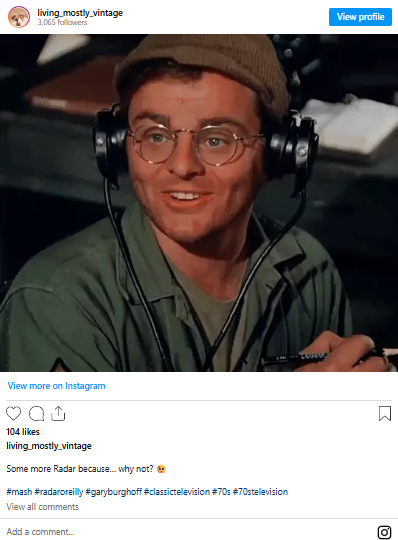
In later years, Burghoff has occasionally participated in interviews, fan discussions, and public events related to MASH*. These appearances are relatively rare but are often warmly received by audiences who remember his role. Fans frequently express appreciation for the emotional impact of his character and the contribution he made to the series.
Today, Gary Burghoff is remembered as both an actor and an artist who chose a life path based on personal values rather than continued fame. His decision to step away from Hollywood at the height of recognition is often discussed in terms of work-life balance and personal priorities. His legacy remains firmly connected to one of television’s most influential series.
Ultimately, Burghoff’s career reflects a combination of artistic success and personal choice. While he achieved lasting fame through MASH*, he also demonstrated that success can be defined in different ways beyond the entertainment industry. His story continues to resonate with audiences who value both creative achievement and personal integrity.
