
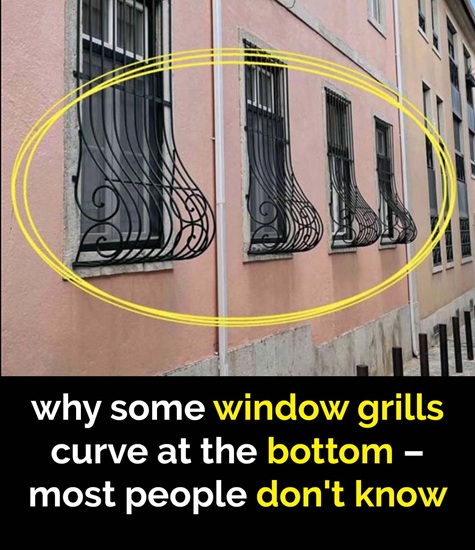
Have you ever noticed window bars that aren’t completely flat, but instead seem to bulge outward slightly? The design may look curious, but it often serves more than one purpose beyond mere aesthetics.
Window bars have been used for many centuries around the world as a means to enhance security and prevent unauthorized entry into homes, apartments, and commercial buildings.
Their presence signals both protection and architectural character. Traditionally, window bars were installed mainly to deter intruders by creating a physical barrier that is difficult to bypass. When properly installed, they can significantly reduce the risk of break‑ins through windows.
Although many people assume all window bars look the same, that’s not true. Among the various designs available, some feature a prominent “potbelly” or bulging shape that sets them apart from standard straight bars.
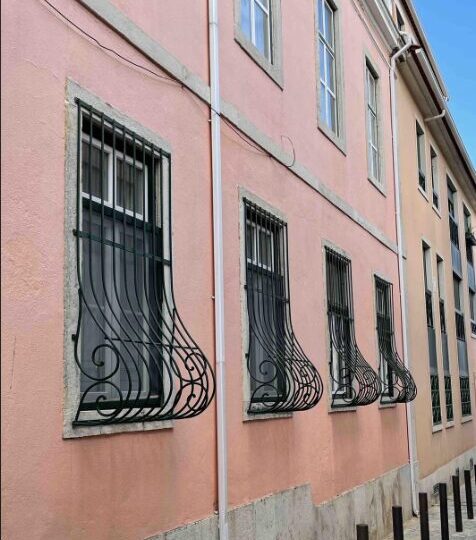
This design element is not simply decorative. In many residential and urban settings, potbelly window bars serve practical purposes while also contributing to the overall visual appeal of a building’s façade.
To understand why these bulges matter, it helps to look first at the history of window bars and how they evolved to meet both security and functional needs in homes and businesses alike.
Early window bars were often simple vertical or horizontal metal rods, usually made of wrought iron or steel. Their primary concern was strength, durability, and resistance to cutting or bending.
Over time, as architectural styles developed and building needs diversified, designers began to adapt window bars with shapes and forms that better fit the evolving needs of homeowners and commercial builders.
One of the most recognizable adaptations is the “potbelly,” a slight outward bulge in each bar that creates extra space between the bar and the glass. This feature eventually became both functional and stylistic.
The term “potbelly” comes from its resemblance to a rounded midsection — like the belly of a pot — that curves outward before tapering again between supports at the top and bottom.
One of the most common practical uses for window bars with potbellies is supporting flower boxes. The outward flare provides a natural ledge where planters can rest securely without additional hardware.
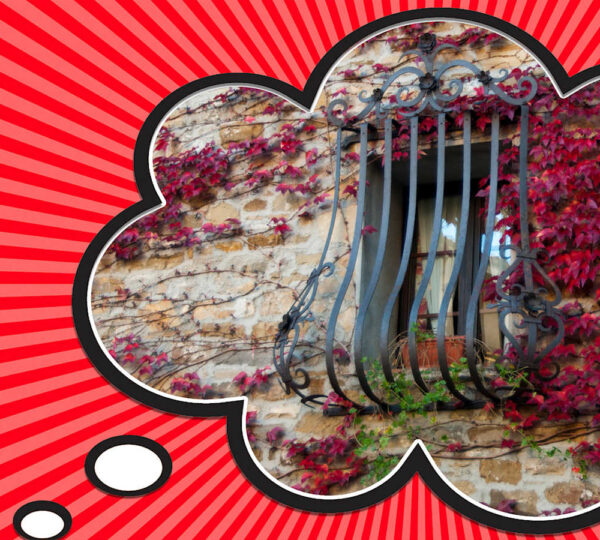
Imagine a quiet residential street lined with homes that have window boxes overflowing with colorful blooms — red geraniums, fragrant lavender, and cascading ivy. Potbelly bars create just enough surface for those planters to sit safely.
For many homeowners, combining security with beauty is a top priority. Potbellied window bars make it easier to add greenery to windows without removing or modifying the bars themselves.
This design also helps prevent flower boxes from pinching the window frame or obstructing sash movement, which can occur with straight‑bar configurations that sit flush against the glass.
Another practical application for potbelly window bars is creating space for air conditioning units. In older homes without interior cooling systems, window air conditioners are often placed in the window jamb.
Because air conditioners need to be stable, balanced, and partially outside the home for ventilation, the bulge created by potbelly bars provides a helpful extra bit of room for these units to fit safely.
This added space enables homeowners to keep security bars in place without sacrificing the ability to cool their living spaces during hot summer months. In many urban buildings, removing bars simply isn’t an option.
In apartments and multi‑unit buildings, property managers often prefer solution‑oriented hardware that maintains safety standards while accommodating practical needs like air conditioning installation.
Potbelly bars serve that dual role elegantly; they offer sufficient clearance for equipment while preserving the core purpose of keeping windows secured against intrusion.
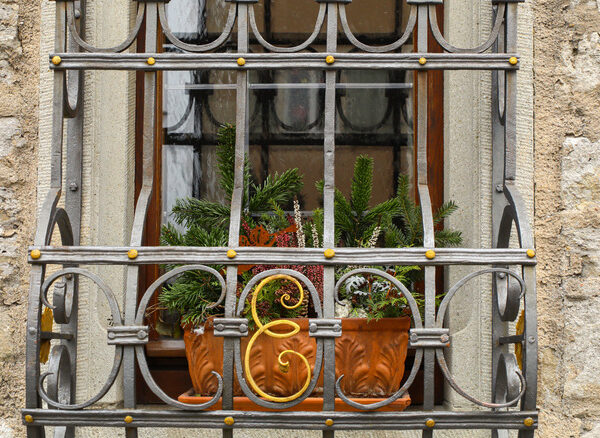
In addition to plant boxes and air conditioning units, some residents use the space created by potbelly bars for hanging wind chimes, bird feeders, or even small seasonal decorations, further enhancing the look of their home’s exterior.
Beyond these practical uses, potbelly bars can also add visual interest to a building’s design. Curved lines and shapes often soften the rigid appearance of standard bars, complementing a wide range of architectural styles.
They can be found in traditional, Mediterranean, colonial, and modern urban homes, blending functionality with architectural nuance that doesn’t compromise the building’s overall aesthetic.
If you’re considering installing window bars with potbellies for your home, there are several sources where you can find them, both in‑person and online.
Local hardware stores and home improvement centers often carry a variety of security bars, including those with bulged designs, in different sizes and finishes to suit varied window dimensions and architectural themes.
Retailers like Home Depot, Lowe’s, and regional ironworks shops typically offer both stock options and custom fabrication, allowing homeowners to match finish, color, and style preferences.
In addition to brick‑and‑mortar stores, many online retailers specialize in security hardware, including potbelly window bars. These platforms often feature detailed product descriptions, buyer reviews, and comparison tools.
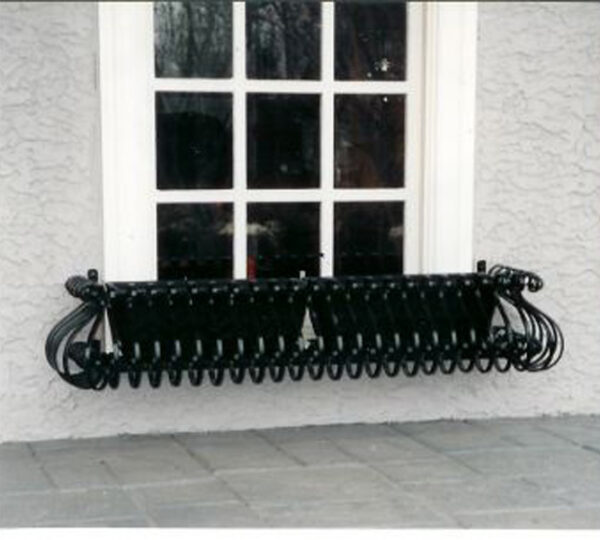
Shopping online can make it easy to see many more styles than what’s available locally, from traditional wrought iron bars to powder‑coated steel versions that resist rust and weathering.
When considering materials, it’s generally best to choose bars made from wrought iron or heavy‑gauge steel, which are both strong, durable, and capable of withstanding years of exposure to the elements.
Wrought iron bars have a classic appearance and are often hand‑forged or custom‑designed. Steel bars, on the other hand, can be more affordable while still offering excellent strength and long‑lasting protection.
Some homeowners also choose optional finishes like powder coating, which enhances corrosion resistance and allows for color matching with window frames or exterior accents for a more cohesive look.
Before purchasing, it’s helpful to measure your window openings accurately, as proper sizing ensures a secure fit and avoids unwanted gaps that could undermine safety or diminish effectiveness.
While materials and style matter, proper installation is equally essential to ensure that window bars provide the intended security and functionality. Insecure installation can reduce their effectiveness and create safety fears instead of solutions.
For this reason, many professionals recommend consulting a licensed installer or experienced contractor, especially for wrought iron or steel bars that require bolting into masonry or structural framing.
A professional installer can ensure that bars are correctly anchored, leveled, and sealed so that they integrate with your home’s exterior without unnecessary drilling or structural compromise.
They can also ensure that the installation does not interfere with emergency egress requirements, which may vary based on local building codes, especially in bedrooms and living areas.
In some jurisdictions, building codes require that certain windows remain easily opened from the inside in case of fire or emergency, even when security bars are present.
To address this requirement, many window bar designs include quick‑release mechanisms or interior latches that allow residents to open bars quickly from the inside if necessary.
These safety features are especially critical in bedrooms or rooms with direct exit access, where rapid egress may be necessary for occupant safety during emergencies.
While potbellied window bars provide valuable security and functional benefits, they should not be the only measure a homeowner takes to protect their property.
Comprehensive home security plans often incorporate multiple elements, including solid exterior doors with reinforced deadbolts, smart locks, and window sensors that integrate with alarm systems.
Outdoor security lighting and motion sensors can also deter unwanted activity by illuminating entry points at night, making it harder for intruders to approach unseen.
Some homeowners install security cameras that cover vulnerable windows and entry points, providing a visual deterrent and valuable recording capability in the event of attempted intrusion.
Window bars can be part of a layered defense strategy, working in concert with alarms, lighting, and surveillance to create a secure, monitored environment that enhances peace of mind.
Another important consideration is regular maintenance of window bars, particularly in areas with humid or coastal climates where rust and corrosion can degrade metal over time.
Applying rust‑inhibiting paint or periodic inspections for loose screws and corrosion can extend the life of your window bars and keep them functioning as intended for many years.
In cases where bars begin to show signs of wear, early repair or replacement helps avoid further deterioration that could weaken their security performance.
Insurance companies often view well‑installed security features like window bars favorably, and in some cases, homeowners may qualify for discounts on premiums when they invest in recognized safety upgrades.
Before making a purchasing decision, it’s useful to consult with your home insurance provider to understand which security enhancements are acknowledged in their policies and whether they affect coverage or premiums.
People who value curb appeal might also consult an architect or home designer to integrate window bars in a way that complements rather than detracts from their home’s overall exterior style.
For historic homes or period architecture, custom‑forged potbelly bars can replicate traditional designs while still providing modern security benefits, striking a balance between preservation and protection.
In urban environments, pop‑up flower markets, murals, and painted window bars are often part of neighborhood character, adding personality to streetscapes while providing residents with both function and style.
In some cultural contexts, window bars are even seen as part of a building’s identity, reflecting regional craftsmanship and artisanal metalwork traditions passed down through generations.
When selecting a design, think about how the bars will look not just from street level but also from inside your home, where the outward curve of potbellies can add dimension and depth to the window view.
Homeowners with pets also appreciate the additional space created by potbelly bars, which can accommodate pet‑safe shelving or resting spots that don’t interfere with the bar’s security function.
While these uses might seem creative, they reflect the broader truth that window bars can be more than just security devices — they can be part of how people live, decorate, and personalize their spaces.
For families living in multi‑story buildings, bars on lower floors can be particularly reassuring, providing a physical deterrent that makes it harder for would‑be intruders to gain entry from street level.
Yet, even in high‑rise apartments, bars can be useful on balconies and lower accessible windows, offering peace of mind without sacrificing ventilation or natural light.
Public safety experts often underscore the importance of combining physical security measures like window bars with situational awareness — knowing your neighborhood, understanding risk factors, and responding appropriately.
Professional installers can also advise on retrofitting bars to existing windows without damaging frames, helping owners update old homes without costly renovations or structural changes.
Retrofitting is a common solution for those moving into older properties that lack modern security features, allowing owners to bring safety up to contemporary standards.
Some homeowners choose removable bars for windows that serve as secondary egress points, balancing security with flexibility in case of future renovations or resale needs.
Removable systems use specialized hardware that lets residents take bars out seasonally or for cleaning while still maintaining robust security when installed.
Garden and balcony window bars with potbellies often attract plant lovers, offering natural extensions of interior living spaces that bridge indoor comfort and outdoor greenery.
This blending of interior and exterior design enriches the living experience, encouraging creativity while maintaining safety and structure.
Across climates, window bars can be paired with storm windows or decorative shutters, providing layered protection against weather and intruders alike, especially in regions prone to hurricanes or strong winds.
Some modern designs integrate shatter‑resistant glass behind potbelly bars, adding another layer of defense without blocking light or visibility, which homeowners increasingly appreciate in mixed‑use neighborhoods.
Whether you live in an urban condo, a historic townhouse, or a suburban single‑family home, window bars with potbelly designs offer utility and style that adapt to diverse architectural needs.
Community associations and homeowner groups often share experiences with different bar styles, helping prospective buyers learn about installation costs, maintenance efforts, and design preferences.
Ultimately, the decision to install potbellied window bars should be informed by both security needs and lifestyle priorities, balancing protection with aesthetic appeal and functionality.
When chosen thoughtfully and installed correctly, these bars can enhance both the safety and charm of your home, helping you enjoy peace of mind and a welcoming exterior façade.
