
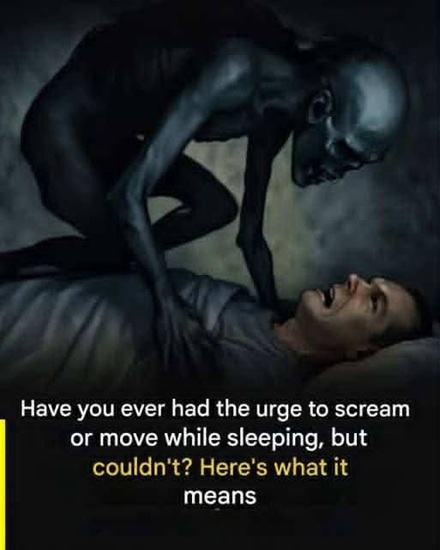
If you’ve ever awakened in the middle of the night, unable to move, speak, or call for help, you may have experienced sleep paralysis.
This phenomenon, although frightening, is a natural part of the sleep process and is far more common than many people realize.
For those who experience it, the feeling of being trapped inside your own body while fully conscious can be terrifying, especially when accompanied by vivid hallucinations or a sense of an otherworldly presence.
Despite its sometimes eerie nature, sleep paralysis is not dangerous. It is a temporary, harmless condition that has been documented for centuries, studied extensively by sleep researchers, and observed across cultures worldwide.
Understanding the mechanisms, causes, and ways to cope with sleep paralysis can help alleviate the fear and anxiety it often brings.
What is Sleep Paralysis?
Sleep paralysis is classified as a parasomnia, a category of sleep disorders that involve abnormal behaviors, perceptions, or movements during sleep transitions.
Specifically, it occurs during transitions between wakefulness and REM sleep — the stage of sleep associated with vivid dreaming.
During REM sleep, the brain sends signals to the spinal cord that temporarily inhibit muscle activity. This prevents the sleeper from physically acting out their dreams, a process known as REM atonia.
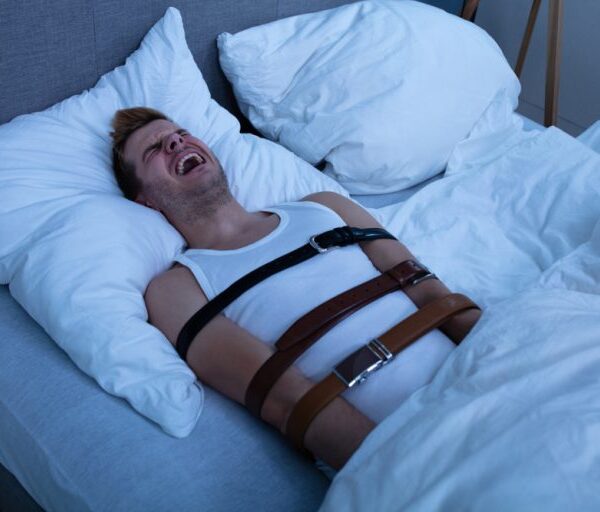
Sleep paralysis happens when your mind wakes up while your body remains in this temporary paralysis. In other words, your brain is conscious, but your muscles are still “switched off.”
This creates the unsettling experience of being awake and aware while completely unable to move or speak.
Episodes usually last from a few seconds to several minutes, although the perception of time can make them feel much longer.
While some people experience sleep paralysis once or twice in their lives, others may have recurring episodes. Medical studies estimate that about 30% of people will experience sleep paralysis at least once in their lifetime.
Symptoms of Sleep Paralysis
Sleep paralysis is marked by several key features, which can vary in intensity from one individual to another:
Inability to move or speak: The hallmark symptom. Even trying to wiggle fingers or toes can feel impossible.
Pressure on the chest: Many people report a heavy or crushing sensation, often interpreted as being “pinned down.”
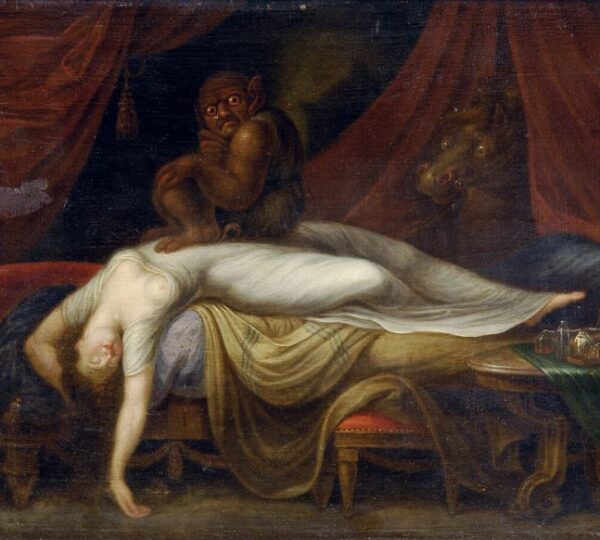
Hallucinations: Visual, auditory, or tactile hallucinations are common. These may include seeing figures, shadows, or lights; hearing footsteps or whispers; or sensing a presence in the room.
Out-of-body sensations: Some people feel as if they are floating above their body or being pulled into a different space.
Intense fear or panic: The combination of immobility and hallucinations often triggers a strong emotional response, including feelings of terror or dread.
Although terrifying, these experiences are temporary and typically resolve on their own. Sleep paralysis itself does not cause lasting physical harm, and most individuals recover fully once the episode ends.
Why Sleep Paralysis Happens
Sleep paralysis is closely tied to the natural cycle of REM sleep. During REM, your brain remains highly active, similar to when you are awake, which is why dreams can feel so vivid.
However, the body’s muscles are temporarily “switched off” to prevent you from acting out those dreams.
Sleep paralysis occurs when there is a mismatch in timing: the mind wakes before the body. Essentially, your brain is aware, but your body hasn’t yet resumed normal muscle function. Several factors can increase the likelihood of this mismatch:
High stress levels: Emotional stress can disrupt sleep cycles, increasing the risk of sleep paralysis.
Poor or irregular sleep schedules: Inconsistent bedtimes, insufficient sleep, or frequent awakenings can trigger episodes.
Anxiety and exhaustion: Physical and mental fatigue makes the transition between sleep stages more unstable.
Sleep deprivation: Missing sleep alters the timing and depth of REM cycles, creating opportunities for paralysis to occur.
According to Charlott Ulfsparre, a clinical psychologist specializing in cognitive behavioral therapy for insomnia, people who are highly stressed, sleep-deprived, or experience irregular sleep patterns are significantly more likely to have sleep paralysis episodes.
Historical and Cultural Perspectives
Sleep paralysis has been observed for centuries, long before modern science could explain its mechanisms. Its strikingly universal features — immobility, pressure on the chest, hallucinations — have inspired countless myths and folklore.
Ancient Persia: Medical texts dating back to the 10th century describe sleep paralysis as a mysterious and frightening experience. Physicians noted its association with chest pressure and hallucinations but lacked an understanding of REM sleep.
Europe: In 1664, a Dutch physician documented a case that included immobility, a sensation of suffocation, and visual hallucinations, one of the earliest clinical accounts in Western medicine.
Asia: In Japanese folklore, sleep paralysis is called “kanashibari,” meaning “bound by steel.” In Chinese culture, it is sometimes referred to as “ghost pressure” (鬼压身, guǐ yā shēn).
Africa: Certain African cultures describe the phenomenon as a spirit or devil sitting on the sleeper’s chest, often interpreted as a supernatural attack.
These cultural interpretations often provided explanations for something that was poorly understood. While modern medicine recognizes sleep paralysis as a physiological phenomenon, its frightening manifestations have ensured that it remains a compelling subject for storytelling, superstition, and art throughout history.
Hallucinations and the Role of the Brain
Many people associate sleep paralysis with hallucinatory experiences, which can be deeply unsettling. These hallucinations typically fall into three categories:
Intruder hallucinations: Feeling that a person, animal, or supernatural entity is present in the room.
Incubus hallucinations: A sense of pressure on the chest, difficulty breathing, or being attacked by an invisible force.
Vestibular-motor hallucinations: Out-of-body sensations, floating, or movement through space.
Hallucinations are thought to arise from a combination of sleep-wake confusion, dream-like imagery, and hyperactive sensory perception during REM atonia.
Essentially, the brain is blending dreaming and wakefulness simultaneously, creating vivid, sometimes terrifying experiences.
Notable individuals have shared their personal encounters with sleep paralysis. Swedish artist Jonna Jinton described a first experience at age 16, reporting vibrations and a sensation of being pulled into an unseen dimension.
Swedish singer Zara Larsson has also spoken publicly about frightening episodes during adolescence. These testimonies highlight the real psychological impact of sleep paralysis and its ability to provoke intense fear even in those who understand the phenomenon.
Practical Tips for Prevention
While sleep paralysis is harmless, its frightening nature motivates many to seek ways to reduce the likelihood of experiencing it. Several strategies are effective:
Maintain a regular sleep schedule: Going to bed and waking up at consistent times helps stabilize REM cycles.
Reduce stress: Mindfulness, meditation, and relaxation techniques can decrease sleep-related anxiety.
Limit screen time before bed: Blue light from phones, computers, or TVs can interfere with melatonin production and disrupt sleep patterns.
Create a calm sleep environment: Dark, cool, and quiet bedrooms promote uninterrupted sleep.
Avoid sleep deprivation: Ensure sufficient nightly rest, as cumulative fatigue increases the risk of sleep paralysis.
For those experiencing an episode, certain coping strategies may help:
Focus on slow, controlled breathing to reduce panic.
Attempt to move a single finger or toe; once movement begins, the rest of the body usually follows.
Mentally reassure yourself that the episode is temporary, harmless, and will end within seconds or minutes.
Why Awareness Matters
Sleep paralysis can be terrifying, especially for first-time experiencers. Because it often occurs in silence and is poorly understood by the general public, many people fear they are having a medical emergency, a neurological event, or a supernatural encounter.
Sharing information about sleep paralysis has several benefits:
Reduces anxiety: Knowing the phenomenon is common and harmless can significantly reduce fear during episodes.
Encourages healthy sleep habits: Understanding triggers like stress, irregular schedules, and sleep deprivation encourages positive changes.
Normalizes the experience: Realizing that up to 30% of people will experience sleep paralysis at least once can prevent feelings of isolation or shame.
Sleep Paralysis in the Context of Modern Sleep Science
Sleep research continues to uncover the intricacies of this fascinating phenomenon. Some studies suggest that narcolepsy, insomnia, and certain sleep disorders may increase susceptibility to sleep paralysis.
Additionally, people who sleep in a supine (on the back) position report higher rates of episodes, possibly due to airway restriction or enhanced sensory awareness of the chest and surroundings.
Psychological factors, such as stress, trauma, and anxiety disorders, can also contribute to increased frequency or intensity of episodes. Cognitive-behavioral therapy (CBT) and relaxation training have shown promise in reducing both the emotional impact and occurrence of sleep paralysis.
The Human Experience Across Time
Sleep paralysis is a reminder that human consciousness and physiology are complex and intertwined. Across cultures, centuries, and continents, humans have described remarkably similar experiences — from ghostly intruders and chest pressure to out-of-body sensations.
Modern medicine now explains these experiences as natural sleep phenomena, yet the sensations continue to inspire awe, fear, and curiosity.
Sleep paralysis sits at the intersection of neurology, psychology, culture, and folklore, demonstrating how deeply our minds shape the way we experience the world — even when we are asleep.
Conclusion: Understanding and Coping
Sleep paralysis is a surreal but harmless sleep phenomenon that affects millions of people worldwide. It occurs when the brain awakens before the body, leaving the mind conscious while the muscles remain temporarily paralyzed. Episodes can be accompanied by hallucinations, pressure on the chest, and intense fear.
Understanding the science, recognizing triggers, and employing practical coping strategies can help reduce the frequency of episodes and lessen their emotional impact.
Awareness also allows people to contextualize their experiences within centuries of human observation and cross-cultural folklore, providing reassurance that this frightening phenomenon is a normal part of human sleep.
By educating ourselves and others, we can demystify sleep paralysis, alleviate fear, and cultivate better sleep hygiene — all while recognizing that our minds are capable of extraordinary and sometimes terrifying experiences, even when we are at rest.
