
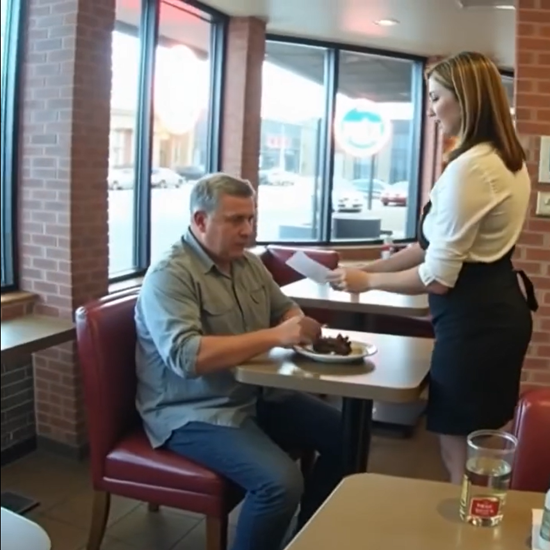
Inside the dimly lit steakhouse, the familiar aroma of seared beef and sizzling onions hangs thickly in the air, blending with the faint scent of polished oak tables.
Daniel Whitmore steps toward the “EMPLOYEES ONLY” door, heart pounding, anticipation and purpose combining into a steady rhythm that echoes each step across the tile floor.
The note from Jenna weighs heavily in his pocket. Six words, but they carry a gravity that defies brevity. He clenches it briefly, feeling its power, reminding him that the truth often hides behind corporate reports and glossy PR statements.
He pauses at the corridor’s edge, glancing back at the dining room. Patrons chatter, laugh, and chew without awareness of the undercurrents just beyond their meals, oblivious to the storm quietly gathering among the staff.
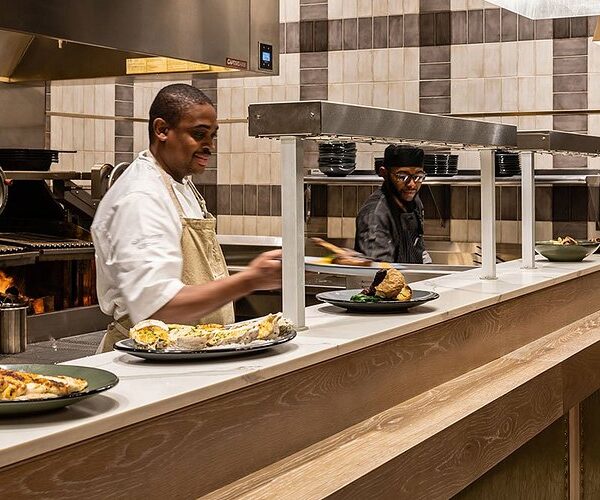
Bryce, the manager, stands near the hostess station, seemingly engaged with regular diners. Yet Daniel senses the tension in the room, the invisible grip Bryce maintains over employees, a man whose presence is like a dark cloud ready to burst unpredictably.
With a careful breath, Daniel slips through the door. The corridor narrows, lined with stainless steel, humming refrigeration units, and the faint scent of cleaning supplies mingling with the lingering aroma of steak. The kitchen’s clatter is muted here, almost like a distant reminder of the chaos just beyond.
At the far end, Jenna waits. Her silhouette is illuminated by fluorescent light, casting sharp edges on her figure. She lifts her gaze as he approaches, eyes reflecting relief, apprehension, and the burden of trust she has carried alone until now.
“Mr. Whitmore,” she begins, voice steady but laced with tension, “I didn’t mean to be dramatic, but you needed to know the truth. I couldn’t stay silent any longer.”
Daniel shakes his head slightly, giving a reassuring nod. “It’s Daniel. You were right to reach out. Please, tell me exactly what’s happening here.” His tone conveys empathy, curiosity, and the authority of someone accustomed to turning words into decisive action.
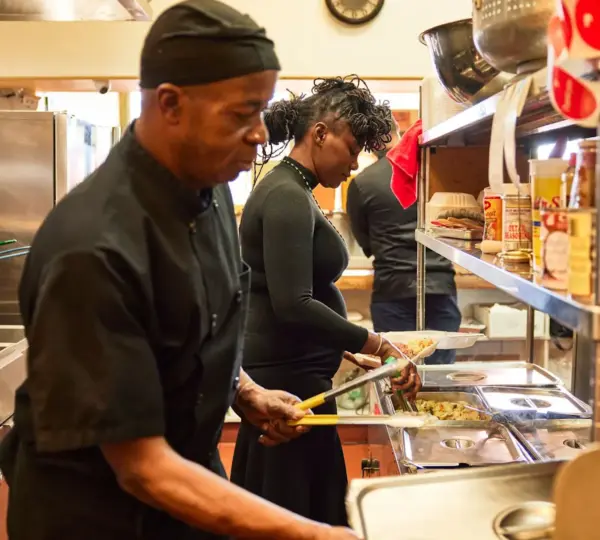
Jenna exhales, eyes flickering toward the kitchen door before returning to him. “It’s Bryce. He’s… not who everyone thinks. He manipulates shifts, pressures staff, cuts corners that affect service quality. People are afraid to speak because corporate believes he’s perfect.”
Daniel listens, absorbing each detail. The pieces click together, forming a picture of a workplace under invisible siege, morale crushed, joy extracted from every corner, yet masked by polished reports and smiles in the dining room.
“What about the rest of the team?” he asks, carefully, ensuring he understands the scope of the problem without adding pressure to already stressed employees.
“They’re good people,” Jenna says softly. “But exhausted. Most can’t risk losing their jobs, so they suffer quietly. Still, if someone acts, change could be possible. Some hope remains, even if it’s fragile.”
Daniel recognizes that hope—it mirrors the spark that fueled his own early career, the passion that transformed a single grill into a thriving chain of steakhouses. He knows he can’t let it extinguish under Bryce’s shadow.
“Thank you for telling me,” he replies, voice firm but calm. “I’ll handle this carefully, but decisively. We won’t let fear dictate how this team operates anymore.” His words carry authority and a promise of meaningful change.

A hint of relief crosses Jenna’s face, tension easing just enough to reveal a tentative smile. “I knew you would, Daniel. I had to trust someone would listen.”
Exiting the back corridor, Daniel’s mind races with strategy. Discreet investigations, confidential conversations, and careful planning will be needed to expose mismanagement while protecting staff. Change must be precise, measured, and effective.
The dining room continues, oblivious, yet Daniel notices small details—the subtle weariness in employees’ faces, a nervous glance exchanged with a line cook, the quiet tension behind seemingly routine smiles. The stakes are real, tangible.
Daniel begins with a silent inventory, mentally cataloging every staff member’s strengths, vulnerabilities, and contributions. He recognizes their dedication, endurance, and hidden talents that Bryce has exploited for personal gain, fueling his determination to restore dignity and morale.
He approaches Bryce subtly, observing his posture, tone, and interactions. The manager’s confidence is performative, maintained through intimidation and selective charm, and Daniel notes inconsistencies that will support staff testimonies in time.
Next, he gathers confidential feedback from team members willing to speak anonymously. Through whispered conversations and carefully framed questions, Daniel builds a mosaic of Bryce’s behavior, connecting patterns of overwork, fear, and mismanagement.

Even small victories are celebrated quietly. A line cook shares how Bryce delayed crucial supplies, a server recounts verbal abuse disguised as motivation, and a host describes the strain of covering shifts without proper support. Daniel notes everything meticulously.
Meanwhile, Jenna becomes a key ally. Her insight into staff dynamics, schedules, and hidden grievances provides Daniel with a clear roadmap to intervene effectively, ensuring that the staff feels supported and heard.
The next few days involve careful observation and subtle corrections. Daniel adjusts shift schedules to ease overload, implements checks to ensure fairness, and quietly reinforces protocols to prevent shortcuts that compromise service or safety.
At the same time, he communicates with corporate discreetly, presenting objective reports and firsthand accounts. He frames issues as operational improvements rather than personal critiques, maintaining professionalism while advocating for staff welfare.
He also establishes confidential communication channels, allowing employees to report concerns without fear of retaliation. This strengthens trust, reinforces morale, and empowers staff to participate in restoring their workplace’s integrity.
Daniel’s presence gradually changes the atmosphere. Employees begin to work with renewed focus, tentative smiles replace tense expressions, and small acts of teamwork emerge once again, signaling that the culture shift is underway.
Jenna notices the difference immediately, quietly expressing gratitude for his dedication. She observes morale improving subtly, the team gaining confidence as they recognize someone is truly invested in their well-being.
Daniel’s actions culminate in a direct but careful conversation with Bryce. He outlines expectations, citing policy, operational standards, and employee feedback. The tone is firm yet professional, leaving no room for misinterpretation while offering an opportunity for improvement.
Bryce’s response is defensive but measured. Daniel remains composed, focusing on facts, evidence, and the broader mission to restore a culture of respect, teamwork, and professionalism.
Over the following week, monitoring and support continue. Daniel ensures that improvements are sustained, correcting lapses discreetly while recognizing and rewarding positive behavior, reinforcing the new culture of accountability.
By the second week, the team begins to reclaim pride in their work. Smiles are genuine, communication flows openly, and cooperation replaces fear as the guiding principle of daily operations.
Even regular diners notice subtle changes—the service feels smoother, energy is lighter, and the sense of tension previously hanging in the air has dissipated, replaced by visible professionalism and enthusiasm.
Jenna, now more confident, takes initiative, assisting colleagues, mentoring newer employees, and demonstrating that leadership can be shared, collaborative, and effective without intimidation or fear.
Daniel documents these improvements, preparing for future evaluations, ensuring the transformation is measurable and sustainable, and demonstrating that effective leadership combined with listening and empathy can reverse entrenched workplace dysfunction.
Finally, he addresses the staff as a group, reinforcing the importance of communication, respect, and teamwork. His message emphasizes shared responsibility, renewed morale, and pride in maintaining the high standards that define Whitmore’s Chop House.
The staff applauds quietly, a mix of relief, gratitude, and cautious optimism. The shift in energy is palpable, a tangible reward for Daniel’s patient, meticulous efforts.
As the evening ends, Daniel steps outside, the cool night air of Fort Smith filling his lungs. The scent of asphalt, fryer oil, and distant pine carries not weight but potential—possibility for continued growth and improvement.
He walks toward his truck with quiet satisfaction, knowing that meaningful change requires courage, listening, and decisive action. Whitmore’s Chop House is once again a place where respect, pride, and professionalism flourish.
The glow of streetlights reflects in his eyes as Daniel considers the future. Challenges remain, but for the first time in months, the team feels empowered. Hope has returned, cultivated by leadership that truly listens and acts.
Daniel starts the engine, glancing back at the steakhouse one last time. Inside, laughter, conversation, and the rhythm of teamwork continue, a testament to resilience and the transformative power of careful, compassionate leadership.
Fort Smith has witnessed the quiet restoration of dignity, not through corporate memos, but through the deliberate, empathetic actions of someone willing to see, listen, and act. Change, he knows, is not just possible—it’s inevitable when courage meets commitment.
