
In recent years, discussions surrounding Greenland have gained renewed attention in global politics, especially as nations reassess security priorities in the Arctic. Once largely seen as a remote and self-governing territory within the Kingdom of Denmark, Greenland has increasingly become part of wider strategic debates involving defense, natural resources, and shifting geopolitical influence. These developments have placed the island at the center of international focus.
Drawing interest from major world powers and raising questions about the future balance of power in the Arctic region. A key factor in this growing attention has been commentary and policy discussion linked to Donald Trump, who has previously expressed interest in expanding the strategic role of the United States in Greenland.
While such ideas have sparked diplomatic debate and disagreement, they have also contributed to broader conversations about Arctic security and the importance of geographic positioning in modern defense strategy. Supporters of increased engagement argue that the Arctic is becoming more significant due to rising global competition.
Geographically, Greenland holds a highly strategic position between North America and Europe, making it an important point of interest in defense planning. As climate change continues to transform the Arctic environment, new shipping routes and access to natural resources are gradually emerging. This has encouraged several countries, including the United States, Russia, and China, to strengthen their presence and long-term planning in the region.
At the same time, Denmark and Greenlandic authorities have consistently reaffirmed Greenland’s current political status, emphasizing its self-governing structure under the Danish realm. Any proposals involving changes to sovereignty or territorial control have been met with firm opposition from Danish officials and strong support from European allies. The emphasis has remained on maintaining stability, international law, and respect for existing borders.
Security considerations also play an important role in the ongoing debate. Some analysts within U.S. defense and policy circles argue that Greenland’s location is highly valuable for early-warning systems and missile defense infrastructure. Its northern position provides a direct vantage point for monitoring potential threats traveling across polar routes, which is increasingly relevant in modern defense strategy.
This has led to broader discussions about Arctic-based missile defense concepts, including advanced radar systems and space surveillance technologies. While supporters argue that such developments are necessary for national security, critics caution that expanding military infrastructure in the Arctic could increase tensions and contribute to a more unstable international environment.
European nations have generally responded with a cautious and diplomatic approach. Countries such as Denmark, Germany, France, and Sweden have expressed support for maintaining Greenland’s current sovereignty while also recognizing the importance of regional cooperation in security matters. In some cases, limited military activity in the Arctic has increased, but it has largely been framed as preventive and defensive rather than aggressive.
Within NATO, the situation highlights the complexity of balancing collective security with differing national perspectives on Arctic strategy. While the alliance remains unified in principle, member states do not always fully agree on how to interpret emerging threats or how to manage increased competition in polar regions. This has added a layer of strategic sensitivity to the discussion.
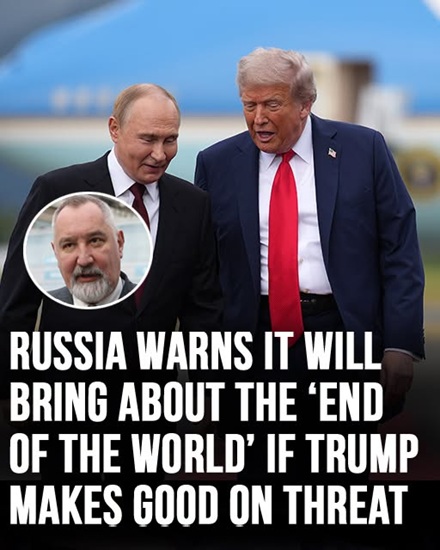
Russia has also closely monitored developments in the Arctic and Greenland specifically, repeatedly emphasizing the importance of maintaining strategic stability in the region. Russian officials have warned against actions that could destabilize the balance of power, particularly in areas involving advanced military infrastructure. These concerns reflect broader global tensions surrounding Arctic militarization.
In addition to security issues, Greenland is also important due to its economic and environmental significance. The region is believed to contain valuable natural resources, including rare minerals essential for modern technology. However, extraction remains limited due to environmental challenges, harsh climate conditions, and international sustainability concerns.
At the same time, Greenland’s local government continues to prioritize sustainable development, environmental protection, and long-term economic planning. Efforts are being made to balance resource development with the preservation of the island’s ecosystem and the rights of local communities. This adds another layer of complexity to outside interest in the region.
Some experts suggest that instead of pursuing territorial or sovereignty changes, greater cooperation through existing agreements may be a more stable approach. The United States already maintains a strategic military presence in Greenland through established facilities, which could potentially be expanded or modernized without altering political boundaries. This approach is often seen as less disruptive diplomatically.
Overall, Greenland has become a symbol of broader global changes in security strategy, environmental transformation, and geopolitical competition. The ongoing discussions reflect how rapidly the Arctic is evolving from a remote region into a central stage for international interests. The decisions made in the coming years will likely shape not only Arctic policy but also wider global relations and security dynamics.

