
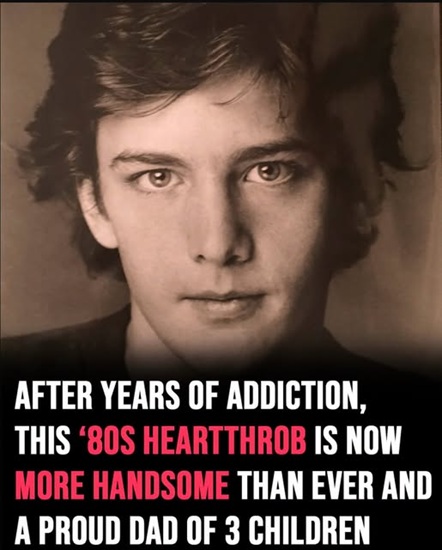
During the 1980s, Andrew McCarthy became one of Hollywood’s most recognizable young stars, widely known for his calm charisma, soft-spoken presence, and emotional depth on screen. At a time when teen films shaped pop culture, he emerged as one of the defining faces of the era. His image appeared on movie posters and magazine covers, and he quickly became a favorite among audiences who connected with his sensitive and understated acting style.
Born in 1962 in Westfield, New Jersey, McCarthy grew up in a typical middle-class household with no direct connection to the entertainment industry. His early life was relatively ordinary, and like many teenagers, he experienced feelings of not quite fitting in. He has spoken in interviews about feeling isolated during his school years, which later influenced his interest in performance and storytelling.
After finishing high school, he attended New York University to study acting, hoping to develop his skills in a structured academic environment. However, his time there was short-lived, as he eventually left the program after struggling with attendance. McCarthy later admitted that he often skipped classes, preferring real-life experiences over formal study. Despite this setback, he remained focused on pursuing a career in acting.
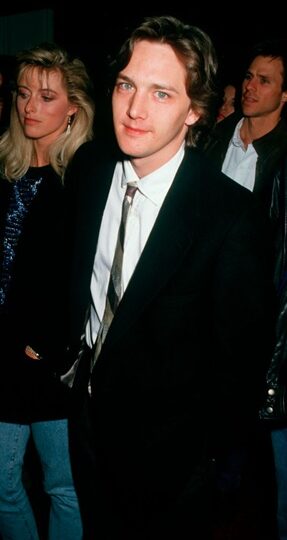
His big break came shortly after leaving university when he auditioned for the film Class (1983). He was selected from a large group of applicants in an open casting call, which marked his official entry into Hollywood. Acting alongside established performers, including Jacqueline Bisset, McCarthy gained attention for his natural performance style and ability to bring authenticity to his role.
Following this early success, his career rapidly expanded. In the mid-1980s, he became part of a group of young actors later labeled the “Brat Pack,” a media-created term used to describe rising stars in teen-oriented films. One of his most notable appearances during this period was in St. Elmo’s Fire (1985), a film that became a cultural reference point for the decade despite mixed critical reviews.
He continued his rise with roles in popular films such as Pretty in Pink (1986), where he starred alongside Molly Ringwald. His portrayal of emotionally complex and quiet characters helped solidify his reputation as a sensitive and relatable screen presence. Around the same time, he also appeared in Mannequin (1987), further strengthening his popularity with mainstream audiences.
Despite his success, McCarthy has reflected on the challenges that came with sudden fame at a young age. Like many actors of his generation, he was exposed to intense media attention and a fast-moving Hollywood lifestyle that he was not fully prepared for. In later interviews and writings, he has described how overwhelming the experience of early stardom could be.
As his career progressed, McCarthy also faced personal struggles during his early Hollywood years, including issues related to alcohol use. He has openly discussed how the pressures of fame and insecurity contributed to unhealthy habits. Over time, these experiences became a turning point that eventually led him toward sobriety and a major shift in his personal life.
By the late 1980s and early 1990s, he began stepping away from the teen idol image and focusing more on personal growth and career reinvention. He made a conscious decision to distance himself from Hollywood’s party culture and instead prioritize stability and long-term well-being. This period marked an important transition in both his life and professional direction.
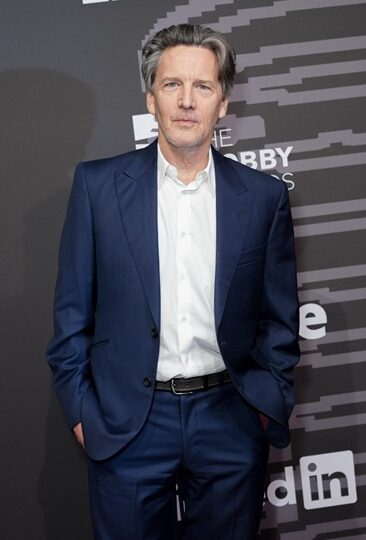
Over the following years, McCarthy successfully reinvented himself as a director. He worked on several well-known television projects, including episodes of Orange Is the New Black and Gossip Girl. His transition behind the camera earned him new respect in the industry and demonstrated his ability to evolve beyond acting into storytelling and leadership roles in production.
In addition to directing, he built a strong reputation as a writer and travel journalist. He contributed articles to respected publications such as National Geographic Traveler and Men’s Journal, sharing experiences from his travels and reflections on culture and personal discovery. His work in journalism earned him recognition, including Travel Journalist of the Year in 2010.
McCarthy has often explained that storytelling connects all aspects of his career, whether acting, directing, or writing. He views each medium as a different way of expressing human experience and emotion. This perspective has allowed him to maintain a creative career across multiple fields over several decades.
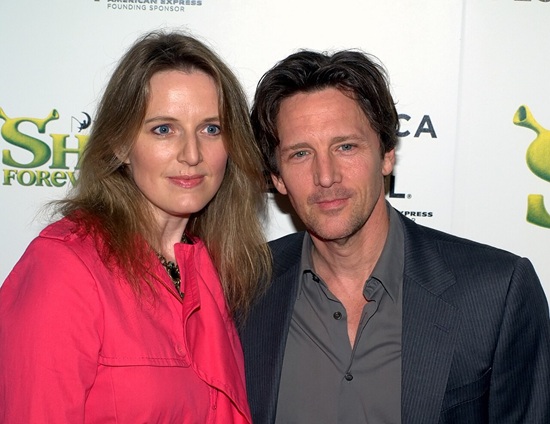
On a personal level, McCarthy has experienced significant milestones. He married his college girlfriend, Carol Schneider, in 1999, and they later had a son named Sam before divorcing in 2005. In 2011, he married Irish writer and director Dolores Rice, and the couple has two children together. He has often spoken about how family life has brought him balance and stability.
Today, Andrew McCarthy is remembered not only as a teen icon of the 1980s but also as a respected filmmaker, writer, and storyteller. While many fans still associate him with his early film roles, his career has continued to evolve in meaningful ways. His journey reflects resilience, reinvention, and a long-lasting commitment to creativity in many forms.

