
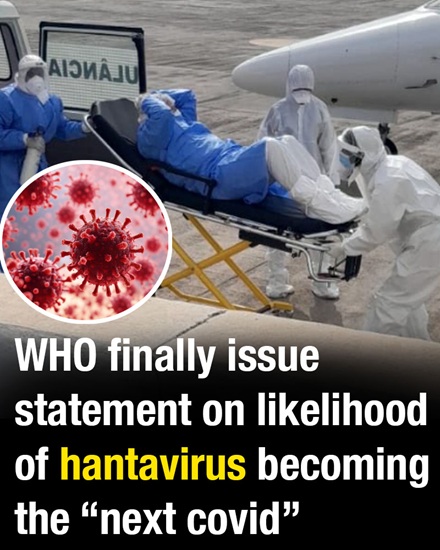
The recent concerns surrounding hantavirus have led to widespread online discussion, especially after reports connected to the cruise ship MV Hondius and statements released by international health officials. While social media comparisons to the COVID-19 pandemic have intensified public anxiety, health experts and organizations such as the World Health Organization continue to emphasize that hantavirus is very different in both transmission and overall public health risk.
Even so, the outbreak has renewed global interest in understanding how the virus spreads, why it can become dangerous in rare situations, and what experts are doing to monitor the situation carefully without creating unnecessary panic. Hantavirus is not a new disease. Scientists and medical researchers have studied various forms of the virus for decades across multiple regions of the world. Different strains exist in North and South America, Europe, and parts of Asia, with some causing respiratory illness and others affecting the kidneys.
The virus is most commonly linked to rodents, especially through exposure to contaminated droppings, saliva, or urine. In most situations, infections remain extremely uncommon, which is one reason health officials continue to describe the overall public risk as low despite the recent headlines.
The attention intensified after reports emerged involving suspected hantavirus cases aboard the expedition cruise ship MV Hondius. According to statements shared publicly, several passengers reportedly developed symptoms consistent with possible hantavirus infection while aboard the vessel. The reports also noted fatalities connected to the situation, leading to immediate concern online and widespread comparisons to previous global outbreaks. Images of the ship and reports of medical evacuations quickly circulated across social media platforms, increasing public fear before many official details had been confirmed by health authorities.
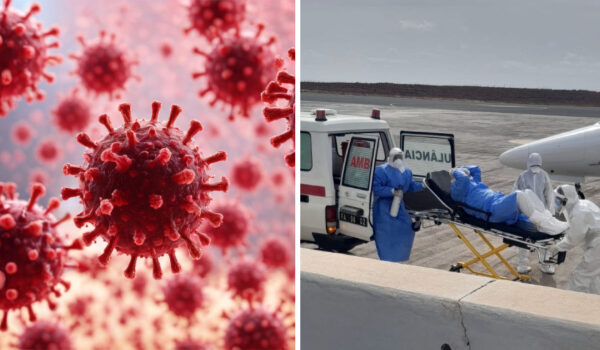
The World Health Organization later addressed the situation directly through public statements. WHO Director-General Tedros Adhanom Ghebreyesus explained that suspected patients had been evacuated for medical care in coordination with several national authorities and the ship’s operators. WHO also stated that monitoring procedures had already begun for both passengers still onboard and individuals who had disembarked earlier. Officials stressed that international cooperation was essential to ensuring proper follow-up and reducing uncertainty surrounding the situation.
Despite growing public concern, WHO epidemiologists emphasized that hantavirus should not be compared directly to COVID-19. During public remarks, WHO infectious disease expert Maria Van Kerkhove explained that although hantavirus can be severe in some patients, it does not spread in the same way as highly contagious respiratory viruses such as coronavirus. She stated clearly that most people will never be exposed to hantavirus at all, and that accurate information is critical during moments of heightened fear and confusion. Her comments were intended to reduce panic while still acknowledging the seriousness of confirmed infections.
One reason experts remain cautious is the relatively high fatality rate associated with certain forms of hantavirus pulmonary syndrome. In severe cases, patients may develop serious breathing difficulties, lung complications, and rapid deterioration that require emergency medical treatment. However, these infections are still considered rare, especially compared with common seasonal respiratory illnesses. Health agencies consistently note that most outbreaks remain limited and localized rather than expanding rapidly through broad community transmission.
The virus itself is typically associated with rodent exposure. People can become infected after inhaling tiny particles contaminated by rodent waste, especially in enclosed spaces that have not been cleaned properly. Cabins, barns, storage buildings, and isolated rural structures are among the environments sometimes linked to exposure. Because of this connection, public health guidance often focuses heavily on sanitation, rodent control, ventilation, and safe cleanup procedures rather than large-scale quarantine measures associated with airborne pandemics.
One aspect of the cruise ship reports that attracted particular attention involved questions about transmission. Early discussions suggested that investigators were exploring whether person-to-person spread might have occurred among individuals onboard. Experts quickly clarified that while limited person-to-person transmission has been documented with specific hantavirus strains in rare circumstances, it remains extremely uncommon overall. This distinction became important because many online discussions falsely suggested the virus spreads easily between people in ordinary contact situations.
Medical professionals have also stressed the importance of avoiding misinformation during public health scares. During the early days of many outbreaks, incomplete information often spreads faster than verified facts. Viral posts, sensational headlines, and emotionally charged commentary can quickly create confusion. In the case of hantavirus, experts continue encouraging people to rely on established public health agencies, peer-reviewed medical information, and official updates rather than speculation circulating online.
The symptoms of hantavirus infection can initially resemble several common illnesses. Early signs may include fatigue, fever, headaches, muscle aches, nausea, and dizziness. As the illness progresses in severe cases, respiratory symptoms can develop rapidly. Patients may experience coughing, chest tightness, and difficulty breathing as fluid accumulates in the lungs. Because early symptoms can resemble influenza or other infections, proper medical evaluation becomes important whenever exposure risk is suspected.
Doctors explain that early recognition can improve outcomes. Individuals who may have been exposed to rodents and later develop significant flu-like symptoms are often advised to seek medical attention quickly. Supportive care, oxygen therapy, and intensive monitoring can play a critical role in recovery. Although there is currently no universally approved antiviral cure specifically for hantavirus pulmonary syndrome, early treatment and hospital support can significantly improve survival chances.
The renewed attention surrounding hantavirus has also highlighted the psychological impact of outbreak fears. After the COVID-19 pandemic reshaped global awareness of infectious disease risks, many people now react more strongly to reports involving unfamiliar viruses. Public anxiety can increase rapidly when words like “outbreak,” “fatalities,” and “quarantine” appear together in headlines. Experts say this emotional response is understandable, but they continue encouraging balanced, evidence-based understanding rather than panic-driven assumptions.
Cruise ships often become the focus of public concern during health incidents because they involve large numbers of people sharing confined environments. Previous outbreaks involving norovirus, influenza, and COVID-19 created lasting public sensitivity regarding illnesses aboard passenger vessels. Even when a disease spreads differently from respiratory viruses, the combination of international travel and enclosed spaces naturally attracts heightened media attention and public scrutiny.
At the same time, health agencies continue emphasizing that modern outbreak response systems are far more advanced today than in previous decades. International communication between governments, laboratories, transportation authorities, and medical organizations allows faster identification of potential risks. Passenger monitoring, laboratory testing, contact tracing, and coordinated medical evacuation procedures can now be implemented rapidly when unusual illnesses are reported.
Scientists also note that hantaviruses are part of a broader category of zoonotic diseases, meaning illnesses that originate in animals before affecting humans. Many infectious diseases studied worldwide involve some connection between wildlife, environmental conditions, and human exposure. Researchers continue studying how environmental change, climate conditions, human expansion into wildlife habitats, and shifting ecosystems may influence future disease patterns across the globe.
Public health experts frequently remind people that awareness and prevention remain the most effective tools against rare infections like hantavirus. Proper food storage, rodent prevention, safe cleaning methods, and avoiding direct exposure to rodent waste are considered among the most important protective measures. In rural or outdoor environments where rodent exposure may occur more easily, additional caution is often recommended when opening closed buildings or cleaning infrequently used spaces.
The recent outbreak discussions have also demonstrated how quickly modern information spreads internationally. Within hours of initial reports, millions of people worldwide were discussing the situation online, often before official investigations had fully developed. This rapid flow of information can help raise awareness, but it can also contribute to misunderstandings when incomplete or exaggerated claims spread faster than verified facts.
For many observers, the WHO statements offered an important reminder that not every infectious disease event becomes a global catastrophe. Public health organizations routinely investigate outbreaks, coordinate medical responses, and monitor evolving situations without those incidents escalating into worldwide emergencies. Experts continue emphasizing that caution and preparedness are important, but panic is not supported by the current evidence surrounding hantavirus.
Medical researchers continue studying hantavirus closely because understanding rare diseases remains important even when overall public risk stays low. Ongoing research focuses on transmission patterns, treatment approaches, immune response, and environmental factors linked to infections. These efforts help improve preparedness and medical knowledge while also supporting faster responses whenever future cases emerge.
The cruise ship situation has undeniably drawn attention to the emotional side of infectious disease reporting. Passengers, families, crew members, and healthcare workers involved in such events often face intense stress and uncertainty. Health officials repeatedly stress the importance of compassion, accurate communication, and responsible reporting during unfolding situations that affect real people and families.
Ultimately, experts say the current evidence does not support claims that hantavirus is becoming “the next COVID.” The virus behaves differently, spreads differently, and remains far less common. At the same time, health authorities continue monitoring cases carefully because even rare diseases deserve serious attention when human lives are involved. The balance between vigilance and perspective remains essential.
As investigations continue and more information becomes available, public health agencies are expected to keep updating guidance based on confirmed evidence rather than speculation. For now, experts encourage people to remain informed, avoid misinformation, and understand that while hantavirus can be dangerous in rare circumstances, the overall risk to the general public remains low according to current international health assessments.

