
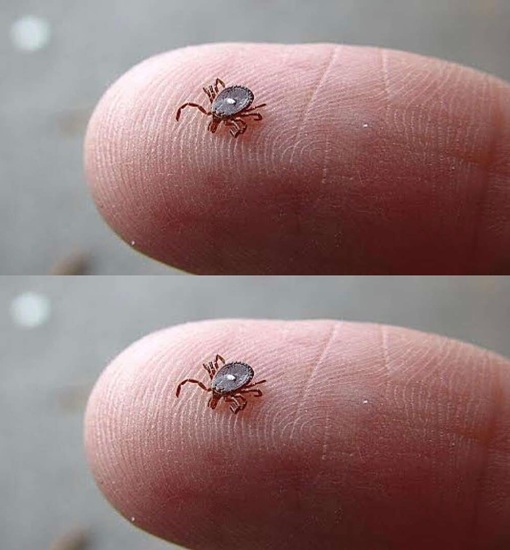
The discovery of a Lone Star tick bite-related risk is rarely a calm experience. It often begins with a small, unexpected mark on the skin that immediately signals something unusual and demands attention.
For many people, the first reaction is shock followed by concern, as the mind quickly considers possible health risks associated with tick exposure and the importance of early and careful removal.
The presence of a tick attached to the skin can trigger immediate stress, especially because ticks are known carriers of various pathogens and can transmit diseases if not removed properly or promptly.
Careful Removal and Immediate Response
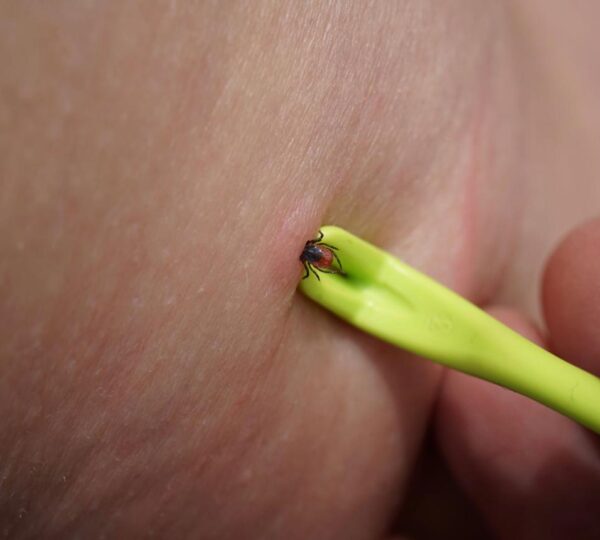
When a tick is discovered, safe removal is essential. Using fine-tipped tweezers and steady pressure helps detach the tick without leaving mouthparts embedded in the skin, reducing the risk of infection.
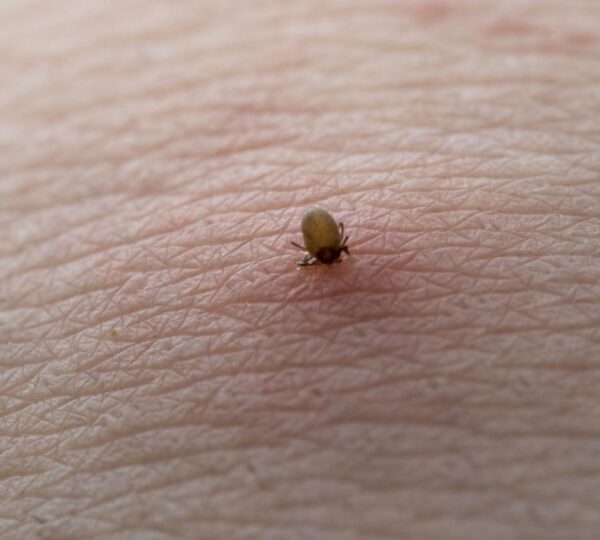
After removal, cleaning the affected area thoroughly with antiseptic is an important step to reduce bacteria and minimize irritation, ensuring the skin begins the healing process in a controlled and safe manner.
Many people choose to preserve the removed tick in a sealed container for identification, which can sometimes assist medical professionals if symptoms develop later or if testing becomes necessary.
Monitoring Symptoms and Health Awareness
In the days following a tick bite, careful observation of the body becomes important. People often watch for signs such as rash development, fever, fatigue, or unusual muscle discomfort that may indicate infection.
Although not every tick bite leads to illness, awareness of early symptoms is important because some tick-borne conditions require prompt medical evaluation to prevent complications and ensure proper treatment.
This period of observation can feel stressful, as normal sensations in the body are often overanalyzed due to concern about potential delayed reactions or infection progression.
Impact on Daily Routine and Behavior
A tick encounter often changes how individuals approach outdoor environments. Clothing choices may shift toward long sleeves, long pants, and protective layers designed to reduce skin exposure.
In addition, insect repellents containing proven active ingredients are commonly used as part of daily prevention routines, especially when spending time in grassy, wooded, or humid environments.
Outdoor habits may also change, with increased attention given to walking paths, avoiding tall vegetation, and minimizing direct contact with areas where ticks are more likely to live.
Environmental Awareness and Prevention Measures
Home and yard maintenance becomes an important part of prevention. Keeping grass trimmed, removing leaf litter, and reducing dense vegetation can significantly lower the presence of ticks in residential spaces.
These environmental adjustments help reduce suitable habitats for ticks, which prefer shaded, moist areas where they can wait for passing animals or humans to attach and feed.
Regular checks on pets are also essential, as animals can carry ticks indoors after spending time outside, increasing the chance of human exposure within the home environment.
Understanding Health Risks and Medical Context
The Alpha-gal syndrome is one of the most widely discussed conditions associated with certain tick bites, including those from the Lone Star tick in some regions.
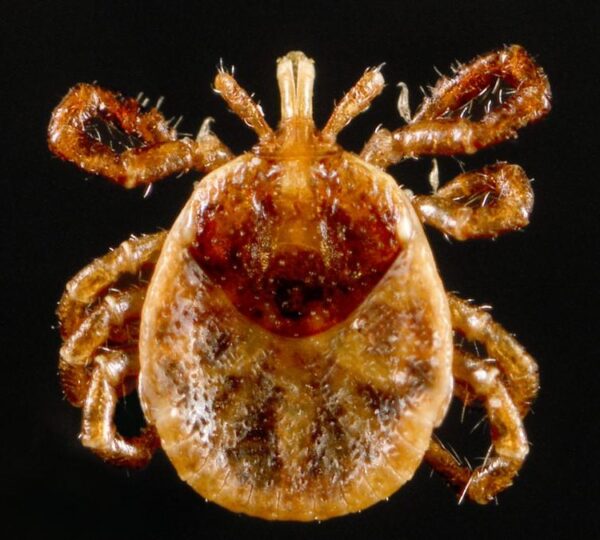
This condition can cause an allergic reaction to red meat and related mammalian products, and it may develop after a bite sensitizes the immune system to a specific sugar molecule.
Not everyone exposed to tick bites develops this condition, but awareness of it has increased public caution and encouraged more consistent use of protective measures during outdoor activities.
Emotional Impact and Ongoing Vigilance
A tick encounter can create lasting awareness about personal health and environmental exposure. Even after recovery, individuals often remain more attentive to skin checks and preventive habits.
This heightened vigilance is not necessarily fear, but rather a practical response to understanding how small environmental exposures can have meaningful health consequences if left unnoticed or unmanaged.
Over time, many people shift from anxiety to informed caution, learning how to balance outdoor enjoyment with responsible protective practices that reduce risk without eliminating activity.
Changing Relationship With the Outdoors
After an encounter, many individuals reassess how they interact with natural spaces. Instead of avoiding the outdoors, they often adopt structured habits that improve safety and confidence.
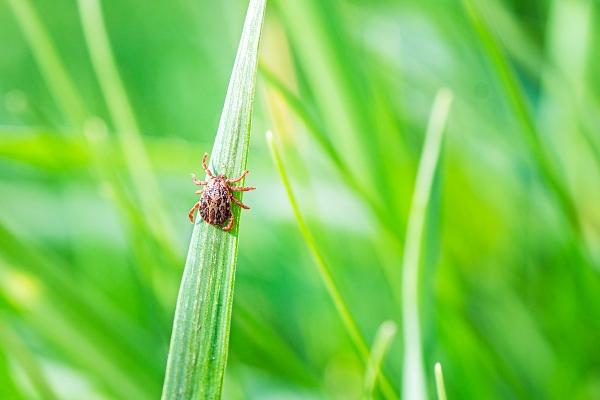
Activities such as hiking, gardening, or spending time in the yard continue, but with added awareness of clothing, repellents, and post-exposure checks as routine precautions.
This adjustment helps maintain a healthy relationship with nature while acknowledging the presence of environmental risks that require attention and responsible management.
The Importance of Education and Awareness
Public education plays a key role in reducing risks associated with ticks and tick-borne conditions. Understanding where ticks live and how they behave helps people avoid unnecessary exposure.
Awareness campaigns often emphasize simple preventive steps such as checking skin after outdoor activity, showering promptly, and inspecting clothing and pets for hidden ticks.

These practices are effective in reducing the likelihood of prolonged tick attachment, which is the primary factor that increases the risk of disease transmission.
Conclusion: Awareness Over Fear
A tick encounter can be alarming, but it also provides an opportunity to learn practical health and safety measures. Awareness and preparation are more effective than fear or panic.
By adopting consistent preventive habits, individuals can continue enjoying outdoor environments while significantly reducing potential risks associated with tick exposure and related health concerns.
Ultimately, the experience reinforces the importance of attention, education, and responsible interaction with nature, allowing people to stay safe without avoiding the outdoors entirely.

