
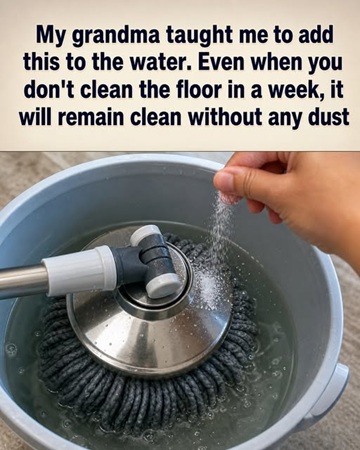
For many people, keeping the home clean is not as easy as it once was. Tasks like sweeping, scrubbing, and mopping can become tiring, especially when energy levels are low or daily responsibilities are already demanding. Even after a full cleaning, it often feels like dust and dirt return very quickly, making floors look dull again within a short time. This is a common issue in many households. Dust in the air, cooking residue, foot traffic, and open windows all contribute to floors becoming dirty sooner than expected.
Because of this, many people look for simple and practical cleaning routines that can help maintain cleanliness for a longer period without extra effort or expensive products. Over time, various home cleaning tips have been shared using everyday household items. These methods are not meant to replace professional cleaning solutions but rather to support regular cleaning habits in a simple and affordable way using ingredients that are already available in most kitchens.
Why Floors Get Dirty Again So Quickly
One of the main reasons floors appear dusty shortly after cleaning is the constant movement of air inside the home. Fine dust particles are lightweight and settle again very easily, even after mopping. This makes it seem like cleaning has no lasting effect.
In addition, small residues from cooking, spills, or shoes can leave behind a thin layer on the floor. This layer is often invisible but can make surfaces slightly sticky, which allows dust and hair to cling more easily.
In some homes, especially during dry weather, static electricity can also play a role. Static can attract dust to smooth surfaces, causing floors to look unclean even shortly after being washed.
The Importance of Preparing the Floor Before Cleaning
Before using any mop solution, it is important to prepare the surface properly. Sweeping or vacuuming first helps remove dust, crumbs, and hair from the floor. This step ensures that the mop does not spread dirt around.
Skipping this preparation step often reduces the effectiveness of mopping. When larger debris is left on the floor, it can interfere with cleaning and leave streaks or uneven results.
A few extra minutes spent on preparation can significantly improve the final result and help the floor stay cleaner for longer.
Common Household Ingredients Used in Cleaning Routines
Many people use simple household ingredients as part of their regular cleaning routines. These items are commonly found in most kitchens and are often used for general cleaning purposes.
Some of these include:
- Dish soap, which helps break down grease and oily spots
- White vinegar, often used in diluted form for surface cleaning
- Baking soda, commonly used for odors and light cleaning support
- Rubbing alcohol, known for quick evaporation and surface cleaning
- Salt, sometimes used in traditional cleaning mixtures
- Fabric softener, occasionally added for scent and reduced static
These ingredients are usually mixed with warm water in small amounts and used as part of a standard mopping routine.
How These Ingredients Are Commonly Used Together
In many home cleaning routines, people combine a few of these ingredients in a bucket of warm water. The goal is to create a solution that helps lift dirt, reduce odors, and leave the floor looking fresher.
Dish soap is often used to help clean greasy areas. Vinegar is added in small amounts for general cleaning support. Baking soda is sometimes used to help reduce unpleasant smells, especially in kitchens.
Rubbing alcohol may be included because it helps water dry faster and reduces streak marks. Fabric softener is sometimes used in very small quantities to add a light fragrance and reduce static buildup on certain surfaces.
These mixtures are used carefully and in moderation, depending on the type of flooring and personal preference.
How to Use a Simple Mop Solution
A basic cleaning routine usually starts with a bucket of warm water. Selected ingredients are then added in small amounts and mixed until evenly dissolved.
The mop is dipped into the solution and then wrung out well to avoid excess water on the floor. The cleaning is done in sections, making sure the solution is applied evenly across the surface.
After mopping, the floor is left to dry naturally. Good airflow in the room can help speed up drying time and reduce streaks or water marks.
Benefits of Simple Home Cleaning Methods
One of the main advantages of these simple cleaning routines is convenience. Most of the ingredients are already available at home, making the method easy to prepare without extra cost.
Another benefit is flexibility. People can adjust the mixture depending on their flooring type, cleaning needs, and personal preference. Some prefer lighter solutions for daily cleaning, while others use slightly stronger mixtures for deeper cleaning.
These methods can be used alongside regular cleaning products to help maintain a cleaner home environment with less effort.
Important Safety Notes for Different Floor Types
Not all floors react the same way to cleaning solutions. Materials such as wood, laminate, vinyl, and tile may require different levels of care.
For this reason, it is always recommended to test any cleaning mixture on a small, hidden area before using it on the entire floor. This helps ensure that the surface will not be damaged or discolored.
Using ingredients in moderation is also important. Too much of any cleaning substance can leave residue or affect the appearance of certain flooring types over time.
A Practical Approach to Everyday Cleaning
At its core, this cleaning method is about simplifying everyday household maintenance. It focuses on using easy, accessible ingredients to support regular cleaning routines.
While no method can completely prevent dust from returning, consistent cleaning habits can help reduce buildup and keep the home looking fresher for longer periods.
Small changes in routine can make a noticeable difference over time, especially when combined with regular sweeping and mopping.
Maintaining a clean home does not always require complicated products or expensive solutions. In many cases, simple and consistent cleaning habits are enough to keep floors in good condition.
By combining basic preparation, regular mopping, and carefully used household ingredients, many people are able to maintain a fresher and more comfortable living space.
Ultimately, the goal is not perfection, but a practical routine that helps keep the home clean, organized, and pleasant to live in every day.

