
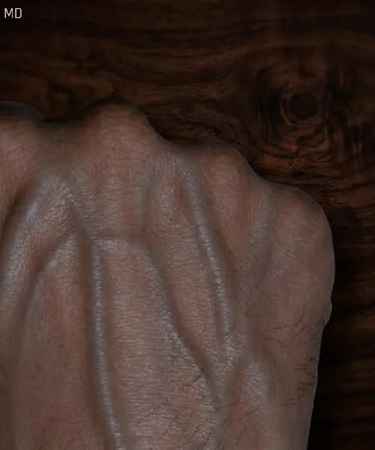
Have you ever glanced at your hands or arms and noticed that your veins look more visible than usual? For many people, this can be a slightly unexpected observation, especially when vein visibility seems to change from time to time. In most situations, this is completely normal and simply reflects how the human body naturally works. Veins are always present beneath the skin, but their appearance can vary depending on several harmless and everyday factors that differ from person to person.
One of the main reasons veins become more noticeable is related to body composition and skin structure. The skin on areas such as the hands, wrists, and forearms is naturally thinner compared to other parts of the body. Because of this, the veins located underneath are closer to the surface and can be seen more easily. In people who have lower levels of body fat, these veins may appear even more defined. This is commonly seen in individuals who are physically active or naturally lean, and it does not usually indicate any health issue.
Genetics is another important factor that influences how visible veins are. Some people are simply born with more prominent veins due to inherited traits such as skin thickness, vein placement, and overall vascular pattern. This means that vein visibility can run in families, with some relatives showing more noticeable veins than others. These natural differences are completely normal and are part of human biological variation rather than a sign of any medical concern.
Physical activity also plays a key role in how veins appear. During exercise or movement, the muscles require increased oxygen, which leads to a rise in blood circulation. As a result, veins expand slightly to handle the higher blood flow, making them appear larger and more visible for a short period of time. After the body returns to a resting state, this effect usually decreases, and the veins become less noticeable again.
Environmental conditions, especially temperature, can also affect vein visibility. In warmer weather, the body naturally widens blood vessels to help regulate internal temperature and release heat. This process can make veins appear more pronounced under the skin. In colder conditions, however, blood vessels tend to narrow, which often makes veins less visible. These changes are normal physiological responses and are part of the body’s natural temperature control system.
Other everyday factors may also temporarily influence how veins look. Hydration levels can play a role, as mild dehydration may reduce blood volume and make veins appear more prominent. Body position is another factor; for example, when the arms or legs are held below heart level, gravity can cause blood to pool slightly, making veins easier to see. Even temporary changes in stress levels or heart rate can subtly affect circulation and vein appearance.
In most cases, visible veins are simply a normal physical characteristic rather than a sign of any underlying health problem. Their appearance may change throughout life depending on age, lifestyle, activity level, and environmental conditions. As people grow older, the skin naturally becomes thinner and less elastic, which can also make veins more noticeable. However, this is considered a normal part of aging and is not typically a cause for concern.
It is important, however, to pay attention if vein changes occur suddenly and are accompanied by symptoms such as pain, swelling, warmth, redness, or discomfort. In such cases, it is always wise to seek medical advice to rule out any potential underlying condition. But in the absence of these symptoms, visible veins are generally harmless and do not require any treatment or intervention.
Overall, visible veins are a natural part of human anatomy influenced by genetics, body composition, physical activity, and everyday environmental factors. They are a normal variation in how the body appears and functions, and in most cases, they are nothing to worry about. Understanding these factors can help reduce unnecessary concern and provide reassurance that vein visibility is usually just another normal aspect of how the human body responds to daily life.

