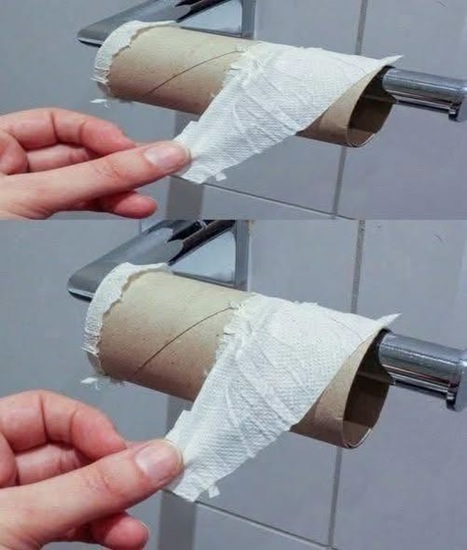
For many generations, toilet paper has been viewed as a basic and unquestioned necessity in modern daily life. It is widely available, easy to use, and deeply embedded in household routines across many countries. However, as environmental awareness continues to increase worldwide, more attention is being placed on the hidden costs of everyday products. This has led to a growing discussion about whether traditional hygiene habits remain the most sustainable choice in today’s world.
The production of conventional toilet paper involves a resource-intensive industrial process that typically begins with wood pulp. Trees are harvested, processed, and refined into fibers before being transformed into soft tissue products. This manufacturing cycle requires significant amounts of water, energy, and transportation at multiple stages. Although modern production methods have improved efficiency, the environmental impact of large-scale consumption is still an important topic in sustainability discussions.
Environmental concerns often focus on the continuous demand for disposable paper products and the pressure this places on natural resources. Even when forests are managed through replanting efforts, the balance between consumption and regeneration remains a challenge. In addition, processes such as bleaching, drying, and packaging contribute further to overall energy use and emissions associated with production.
At the same time, public awareness is gradually shifting. More consumers are beginning to question long-standing habits and explore alternatives that may reduce waste and environmental impact. This change is not necessarily about rejecting comfort or hygiene standards, but rather about finding more efficient and responsible ways to manage everyday needs.
Water-Based Hygiene Solutions and Modern Alternatives
One of the most widely recognized alternatives to traditional toilet paper is water-based cleaning technology, commonly known as bidet systems. These systems have been used for a long time in various cultures and are now becoming more popular in regions where they were previously less common. The basic idea is to use water as a primary method of cleaning rather than relying mainly on paper.
Today’s bidet systems come in many forms, including simple attachments and fully integrated toilet designs. Many modern versions are created with convenience in mind, offering easy installation and user-friendly controls. Some models also include adjustable features such as water pressure and temperature, allowing users to personalize their experience according to preference.
From an environmental perspective, water-based hygiene systems are often discussed as a way to reduce dependence on disposable paper products. By lowering the amount of toilet paper used in households, overall waste generation can potentially be reduced. However, it is also important to consider water consumption and energy use, which can vary depending on the system design and local infrastructure.
Cultural acceptance also plays a role in how quickly such alternatives are adopted. In some regions, bidet use is already common, while in others it is still relatively new. As awareness grows and products become more affordable, adoption continues to increase steadily in different parts of the world.
Hygiene, Comfort, and Everyday Practicality
When comparing hygiene methods, cleanliness and effectiveness are often key points of discussion. Many users believe that water-based cleaning provides a more thorough and refreshing experience compared to using paper alone. At the same time, both methods are widely used globally and can be effective when practiced properly.
Comfort is another important factor influencing personal choice. Some individuals prefer the simplicity of toilet paper, while others appreciate the feeling of water-based cleaning. Because of these differences, many households choose to combine both approaches depending on preference and situation.
Cost considerations also play a role in decision-making. While installing a bidet system may require an initial expense, long-term savings on toilet paper purchases can make it an economically reasonable option for many families. Over time, this can help balance the upfront investment, especially in households with higher usage.
Modern systems are also designed to be low-maintenance and durable. Most require only basic cleaning and occasional checks, making them practical for everyday use. This ease of maintenance has contributed to their growing popularity in recent years.
Sustainability Awareness and Changing Habits
The discussion about toilet paper alternatives is part of a broader global movement toward more sustainable living practices. Many people are now evaluating everyday products to understand their environmental impact and explore possible improvements. This includes reconsidering packaging, waste generation, and long-term resource use.
Behavioral change often happens gradually as people become more informed and open to new solutions. Small, practical adjustments that do not significantly disrupt daily routines tend to be adopted more easily. For this reason, simple innovations like bidet attachments have gained attention as accessible steps toward reducing environmental impact.
It is also important to recognize that sustainability does not rely on a single solution. Instead, it involves reducing overall consumption and making more informed choices across different aspects of life. Every small improvement contributes to a broader positive effect when adopted widely.
Manufacturers are also responding to this shift by developing more environmentally conscious products. Improvements in efficiency, materials, and design continue to shape the market as demand for sustainable alternatives grows.
Looking Ahead at the Future of Hygiene Practices
In the future, personal hygiene habits are expected to continue evolving alongside environmental awareness and technological development. Water-based systems, reusable solutions, and hybrid approaches may all become more common depending on regional preferences and infrastructure.
Consumers today are more informed than ever before, and many are actively seeking ways to reduce waste in their daily lives. This shift reflects a broader awareness of how everyday actions contribute to environmental outcomes over time.
Ultimately, the conversation is not just about replacing one product with another, but about rethinking long-standing habits in a way that balances comfort, hygiene, and sustainability. Even small changes, when adopted by many people, can contribute to meaningful reductions in resource use and environmental impact over time.
