
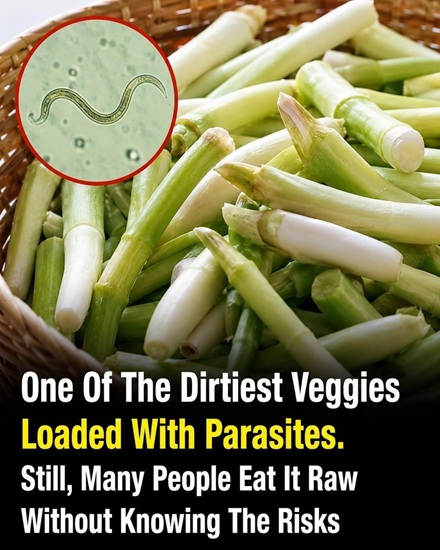
Green onions, also known as scallions or spring onions, are among the most commonly used fresh vegetables in kitchens around the world. Their mild flavor and crisp texture make them a popular ingredient in salads, soups, stir-fries, noodle dishes, omelets, and countless other recipes. Many people enjoy them because they add freshness without overpowering the taste of a meal. In addition to their culinary value, green onions contain several important nutrients, including vitamin K, vitamin C, folate, and dietary fiber.
These nutrients contribute to a balanced diet and support normal body functions when consumed as part of an overall healthy eating pattern. Although green onions are generally considered safe to eat, food safety experts emphasize that, like all fresh produce, they should be handled and prepared carefully to reduce the risk of foodborne illness. Fresh vegetables naturally come into contact with the environment throughout the growing process.
Green onions spend much of their development in soil, where they are exposed to natural microorganisms as well as environmental conditions that vary from farm to farm. During cultivation, harvesting, transportation, packaging, and retail distribution, produce may come into contact with soil, irrigation water, equipment, containers, or workers. For this reason, food safety agencies around the world recommend washing fresh vegetables before eating or preparing them. While the vast majority of fresh produce reaches consumers without causing illness, proper handling remains an important part of reducing potential risks associated with raw vegetables.
Public health authorities, including the U.S. Food and Drug Administration (FDA) and the U.S. Centers for Disease Control and Prevention (CDC), have documented that outbreaks of foodborne illness have occasionally been linked to fresh produce, including leafy vegetables and green onions. Such outbreaks are relatively uncommon compared with the enormous quantity of produce consumed every year, but they demonstrate why proper food safety practices are important.
Harmful bacteria such as Salmonella, Escherichia coli (E. coli), and Listeria monocytogenes have been associated with contaminated food products in various settings. These microorganisms are invisible to the naked eye and cannot be detected by appearance, smell, or taste alone. As a result, consumers are encouraged to follow recommended food preparation practices regardless of how fresh produce looks.
One characteristic of green onions is that several layers of leaves overlap tightly near the white base of the stalk. Small amounts of soil or debris can sometimes remain trapped in these areas even after harvesting. This is one reason why food safety specialists recommend washing green onions thoroughly before use. A brief rinse under running water removes some surface dirt, but gently separating the leaves where possible and rubbing the stalks under clean running water may help remove additional particles. There is no evidence that household soaps, detergents, or commercial cleaning products should be used on fresh vegetables, and food safety authorities generally advise against using them because residues may remain on the produce.
Preparing green onions safely begins before they are even washed. Experts recommend inspecting the vegetables after purchase and removing any damaged, wilted, or visibly spoiled outer leaves. The root end, which is most likely to contain soil, should be trimmed away before preparation. After trimming, each stalk can be rinsed thoroughly under cool running water while gently rubbing the surface with clean hands. Particular attention should be given to the lower white portion, where soil may collect between the tightly packed layers. Once washed, the vegetables can be dried with clean paper towels or a clean kitchen towel before chopping. These simple preparation steps can help reduce dirt and microorganisms that may be present on the surface.
Another important aspect of food safety involves preventing cross-contamination inside the kitchen. Even thoroughly washed vegetables can become contaminated if they come into contact with raw meat, poultry, seafood, or unwashed utensils. For this reason, public health agencies recommend using separate cutting boards whenever possible or thoroughly washing boards, knives, and countertops with hot, soapy water between different food preparation tasks. Washing hands with soap and water for at least 20 seconds before and after handling raw foods is another key recommendation. These basic hygiene practices help reduce the transfer of harmful bacteria from one food to another during meal preparation.
Cooking also plays an important role in food safety. Many recipes call for green onions to be added raw because their crisp texture and mild flavor complement salads, sandwiches, tacos, and garnishes. However, when green onions are cooked in soups, stir-fries, casseroles, or other hot dishes, heat can significantly reduce the number of microorganisms that may be present.
Although not every recipe requires cooking, using heat where appropriate provides an additional layer of protection. People preparing meals for young children, older adults, pregnant women, or individuals with weakened immune systems may choose cooked vegetables when suitable, as these groups are generally more vulnerable to complications from foodborne illnesses.
Symptoms of foodborne illness vary depending on the specific microorganism involved and the overall health of the individual. According to public health authorities, some people may experience nausea, vomiting, stomach cramps, diarrhea, or fever after consuming contaminated food, while others may develop only mild symptoms or none at all.
Most healthy adults recover without long-term effects, but certain infections can become more serious in vulnerable populations. Anyone experiencing severe symptoms, persistent dehydration, high fever, bloody diarrhea, or symptoms that worsen over time should seek medical evaluation promptly. Early medical assessment is especially important for people at higher risk of serious illness.
Proper storage is another essential part of maintaining food quality and safety. Green onions should be refrigerated soon after purchase and kept at an appropriate refrigerator temperature to help preserve freshness. Leaving fresh produce at room temperature for extended periods may shorten its shelf life and reduce overall quality. Before using stored green onions, consumers should inspect them carefully. If the leaves have become excessively slimy, severely discolored, or developed an unusual odor, food safety experts generally recommend discarding them rather than attempting to remove only the visibly affected portions. Fresh produce that shows clear signs of spoilage should not be consumed.
Although discussions about foodborne illness can sound concerning, experts consistently emphasize that fresh vegetables remain an important part of a healthy diet. Organizations around the world continue to encourage regular consumption of fruits and vegetables because of their well-established nutritional benefits. The key message is not to avoid green onions or other fresh produce, but to handle them responsibly by following established food safety recommendations.
Washing produce carefully, preventing cross-contamination, storing foods properly, and purchasing products from reliable retailers are practical habits that help reduce risk while allowing families to continue enjoying nutritious meals. When these simple precautions become part of everyday kitchen routines, fresh vegetables can continue to be enjoyed with confidence as part of a balanced and healthy lifestyle.
Food safety specialists often emphasize that preventing contamination begins long before vegetables reach the kitchen. Farmers, food processors, distributors, retailers, and consumers all play important roles in maintaining the safety of fresh produce throughout the food supply chain. Agricultural producers follow a variety of practices intended to reduce contamination during growing and harvesting, while food manufacturers and distributors implement quality control measures during packaging and transportation. Even with these safeguards in place, public health agencies recommend that consumers continue practicing safe food handling at home because fresh produce is generally not sterile and may naturally carry microorganisms from the environment.
When shopping for green onions, consumers can take several simple steps to help maintain quality. Selecting bunches that appear fresh, firm, and brightly colored is generally recommended. Wilted leaves, excessive moisture inside packaging, or obvious signs of spoilage may indicate that the vegetables have begun to deteriorate. If purchasing pre-packaged green onions, checking the package for damage and reviewing any storage instructions can also be helpful. Refrigerating the vegetables as soon as practical after shopping helps preserve freshness and supports recommended food storage practices.
Many people wonder whether soaking vegetables in vinegar, baking soda, or commercial produce washes provides additional protection. Public health authorities generally state that thoroughly rinsing fresh produce under clean running water is sufficient for most fruits and vegetables. Household soaps, detergents, disinfectants, or bleach solutions should never be used to wash produce intended for consumption because residues may remain on the food. Instead, gentle rubbing with clean hands while rinsing under cool running water is the approach most commonly recommended by food safety organizations for produce such as green onions.
Another useful kitchen habit involves preparing vegetables only after the surrounding work area has been cleaned. Countertops, knives, cutting boards, and other utensils should be washed with hot, soapy water before food preparation begins, particularly if they were previously used for raw meat, poultry, seafood, or eggs. Separate cutting boards for raw animal products and ready-to-eat foods are encouraged whenever possible. These practices reduce the possibility of cross-contamination, which remains one of the most common preventable causes of foodborne illness in home kitchens.
Consumers should also pay attention to product recalls announced by food safety authorities. On occasion, government agencies and manufacturers issue recalls involving fresh produce after contamination is detected or suspected. These announcements are precautionary measures intended to protect public health. If green onions or any other food product has been recalled, consumers should follow the instructions provided by the relevant public health authority or manufacturer, which may include discarding the product or returning it to the place of purchase. Staying informed about official recalls can help reduce unnecessary exposure to contaminated food products.
It is equally important to recognize that the nutritional value of green onions remains well established. They provide vitamins, minerals, antioxidants, and plant compounds that contribute to a balanced diet. Adding vegetables such as green onions to meals can increase flavor while supporting overall dietary variety. Nutrition experts consistently encourage regular consumption of vegetables because of their role in healthy eating patterns. Understanding proper food safety practices should therefore be viewed as a way to enjoy these foods safely rather than as a reason to avoid them.
For households that include young children, older adults, pregnant women, or individuals with weakened immune systems, following recommended food safety guidance becomes especially important. These groups may be more susceptible to complications from certain foodborne infections. Preparing food with careful attention to hygiene, storing ingredients at appropriate temperatures, and following cooking recommendations where applicable are practical measures that support safer meal preparation. Although no method can completely eliminate every potential risk associated with raw foods, consistent adherence to established food safety recommendations can significantly reduce the likelihood of illness.
Education continues to play an important role in improving food safety worldwide. Public health organizations regularly publish updated recommendations based on ongoing scientific research and surveillance of foodborne illnesses. Consumers who rely on trusted sources such as national food safety agencies, public health departments, and medical organizations are more likely to receive accurate, evidence-based guidance. Recommendations may evolve over time as new research becomes available, making it valuable to stay informed through reliable and authoritative sources rather than unverified information shared online.
Overall, green onions remain a nutritious and widely enjoyed ingredient that can be safely included in everyday meals when handled appropriately. Their popularity across many cuisines reflects both their versatility and their nutritional benefits. Like all fresh produce, they should be washed carefully, stored properly, and prepared using good kitchen hygiene practices. These simple precautions align with recommendations from public health authorities and help reduce the risk of foodborne illness while preserving the quality of the food being served.
Understanding safe food handling is not intended to create unnecessary concern about eating fresh vegetables. Instead, it provides practical knowledge that helps consumers make informed decisions during food preparation. By combining careful purchasing, proper storage, thorough washing, clean preparation surfaces, and attention to official food safety guidance, individuals can continue enjoying green onions and other fresh vegetables as part of a balanced diet. Maintaining these everyday habits supports both food quality and household safety, allowing nutritious ingredients to remain an important part of healthy meals.

