
Many people tend to believe that heartburn is simply caused by eating the wrong types of food, such as spicy meals, greasy dishes, chocolate, or alcohol. While diet can definitely play a role, the reality is often more complex. What is commonly experienced at night is usually related to acid reflux, a condition where stomach acid moves backward into the esophagus. This becomes more noticeable when lying down because the body loses the natural help of gravity.
During daytime hours, being upright gives the digestive system an advantage. Gravity helps keep stomach contents in place, reducing the likelihood of acid traveling upward. However, once a person lies down to sleep, this protective effect is reduced. For individuals who are prone to reflux, this change in position can make symptoms more noticeable, especially after eating late or heavy meals in the evening.
How Sleeping Position Influences Acid Reflux Symptoms
Body position during sleep can have a noticeable impact on acid reflux. When a person lies flat on their back, stomach acid is closer to the lower esophageal sphincter, which is the muscle responsible for preventing acid from flowing upward. If this muscle is relaxed or weakened, acid can more easily reach the esophagus, leading to discomfort or a burning sensation.
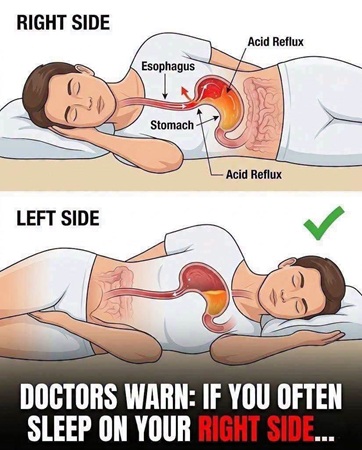
Studies and medical observations suggest that sleeping on the left side may help reduce reflux symptoms for some individuals. This is due to the natural anatomy of the stomach, which may make it harder for acid to flow upward when lying on the left side. On the other hand, sleeping on the right side may allow stomach contents to move more easily toward the esophagus in certain cases, potentially increasing symptoms.
However, it is important to understand that this effect is not identical for everyone. People respond differently based on their body structure and health conditions. Still, many healthcare professionals recommend left-side sleeping as a simple lifestyle adjustment that may help reduce nighttime discomfort.
The Importance of Meal Timing and Evening Habits
One of the key factors affecting nighttime reflux is not just what a person eats, but when they eat. Consuming large meals shortly before going to bed can increase pressure inside the stomach. This makes it easier for acid to move upward when lying down.
For this reason, many health experts suggest finishing dinner several hours before sleep. This allows the digestive system time to process food and reduces the likelihood of discomfort during the night. Eating too close to bedtime may slow digestion and increase the chances of reflux symptoms while resting.
Certain foods and drinks may also contribute to symptoms in sensitive individuals. These can include caffeinated beverages, alcohol, high-fat meals, chocolate, and acidic or spicy foods. However, it is important to note that triggers are highly individual, and not everyone reacts the same way to the same foods.
Why Symptoms Often Feel Stronger at Night
Acid reflux often feels more intense at night for several reasons. One important factor is reduced swallowing during sleep. Swallowing helps move acid back down into the stomach and also stimulates saliva production, which can help neutralize acid in the esophagus.
When a person is asleep, swallowing decreases significantly, which reduces this natural protective effect. As a result, acid that enters the esophagus may remain there longer, causing irritation or discomfort.
In addition, lying down horizontally allows stomach contents to stay closer to the esophagus. Combined with slower digestion during sleep, this can increase the likelihood of experiencing noticeable symptoms such as burning sensations, coughing, or throat irritation.
Practical Lifestyle Adjustments That May Help
There are several simple lifestyle changes that may help reduce nighttime acid reflux symptoms. Adjusting sleep position is one commonly suggested method, with left-side sleeping often recommended as a potentially beneficial option. Elevating the upper body slightly during sleep may also help reduce the movement of acid toward the esophagus.
Meal timing is another important factor. Avoiding heavy meals late at night and allowing several hours between eating and sleeping can give the digestive system enough time to function before lying down. This may help reduce pressure in the stomach and improve nighttime comfort.
It can also be helpful to observe personal dietary triggers. Since everyone reacts differently to foods, keeping track of meals and symptoms can help identify patterns. This allows individuals to make more informed choices based on their own experience rather than general assumptions.
When It May Be Necessary to Seek Medical Advice
Occasional heartburn is relatively common and may not always indicate a serious issue. However, if symptoms occur frequently or begin to interfere with sleep and daily life, it may be a sign of a more persistent condition such as gastroesophageal reflux disease (GERD).
In such cases, it is important to consult a healthcare professional for proper evaluation. Persistent exposure of the esophagus to stomach acid can lead to ongoing irritation and should not be ignored. Medical guidance can help determine whether lifestyle changes alone are sufficient or whether further treatment is required.
Final Overview: Understanding Your Body at Night
Sleep is essential for overall health, and discomfort during the night can significantly affect quality of life. Understanding how factors such as body position, eating habits, and individual sensitivities influence acid reflux can help people make better decisions about their nightly routine.
While small adjustments like changing sleep position or adjusting meal timing may provide relief for some individuals, others may require more structured management. Paying attention to recurring symptoms and responding early can make a meaningful difference in comfort and rest quality.
Ultimately, nighttime acid reflux is influenced by a combination of biological and lifestyle factors. Recognizing these connections allows individuals to take more control over their sleep environment and support better digestive comfort throughout the night.

