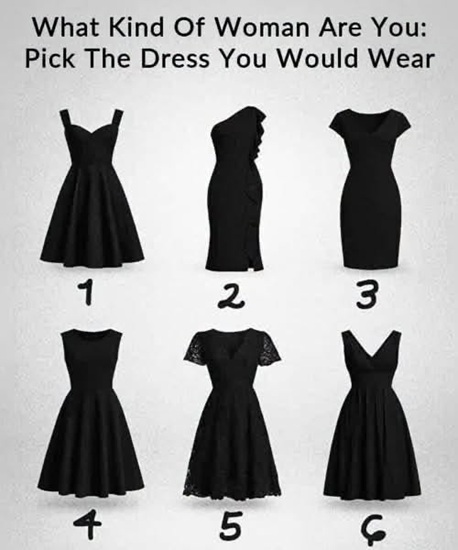
Fashion has always been about much more than following seasonal trends or purchasing the newest collection. Throughout history, clothing has served practical, cultural, and personal purposes, helping people communicate aspects of their identity without saying a single word. The colors we wear, the fabrics we prefer, and the silhouettes we choose often reflect comfort, lifestyle, profession, climate, and individual taste. While no outfit can accurately define a person’s personality, clothing can become one way people express how they wish to present themselves in different situations.
For many individuals, selecting an outfit is less about impressing others and more about feeling comfortable, confident, and authentic. Among all wardrobe essentials, the classic black dress has remained one of fashion’s most enduring garments. Designers have reinterpreted it for decades because its versatility allows it to suit formal occasions, professional environments, celebrations, and everyday wear.
Depending on its cut, neckline, sleeves, length, and accessories, a black dress can communicate elegance, simplicity, creativity, or practicality. Fashion experts often describe it as one of the most adaptable pieces of clothing because it provides a neutral foundation that can be styled in countless ways while remaining timeless across changing fashion trends.
Imagine looking at six different black dresses displayed side by side. None is objectively better than the others. Each simply represents a different design philosophy and styling approach. Rather than asking which dress reveals your personality, a more accurate question is: Which design best matches your current preferences, lifestyle, or the occasion you have in mind? The answer may change over time because clothing preferences naturally evolve as people experience different stages of life, careers, interests, and responsibilities.
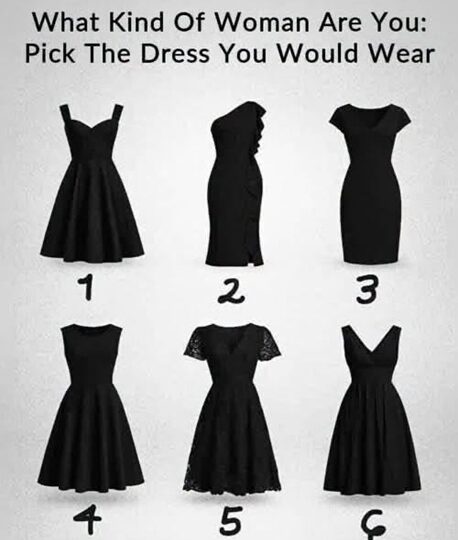
Some people naturally gravitate toward soft lines, flowing fabrics, and classic elegance. These designs often appeal to individuals who appreciate understated sophistication and clothing that transitions easily between occasions. Such preferences do not necessarily indicate particular personality traits, but they may reflect an appreciation for timeless fashion that remains stylish across many seasons. Garments with graceful movement and subtle details often provide versatility while maintaining a refined appearance suitable for numerous settings.
Others prefer contemporary cuts with distinctive tailoring or modern design elements. Clean lines, structured silhouettes, and minimal decoration are popular choices among people seeking clothing that feels polished and practical. These garments frequently appear in professional wardrobes because they combine simplicity with confidence, allowing accessories or personal styling to complete the overall look. Rather than attracting attention through elaborate decoration, these designs often emphasize precision, balance, and functionality.
Classic designs also continue to enjoy widespread popularity because they remain fashionable regardless of changing trends. Many people intentionally build wardrobes around garments they can wear for years rather than replacing them every season. This approach often reflects practical shopping habits and an appreciation for quality craftsmanship. A timeless dress may be chosen not because it symbolizes a particular personality but because it offers reliability, flexibility, and long-term value across different occasions.
Creative fashion enthusiasts sometimes enjoy selecting garments featuring distinctive textures, asymmetrical details, unusual sleeves, or artistic embellishments. Such designs allow individuals to experiment with styling while expressing appreciation for craftsmanship and originality. Fashion historians frequently note that creative clothing choices have appeared throughout every era, demonstrating that personal style has always included room for experimentation alongside more traditional aesthetics. Creativity in fashion does not follow fixed rules; instead, it encourages thoughtful combinations that reflect individual preferences.
Some people also appreciate structured dresses designed for formal events, business gatherings, or special occasions. Tailored silhouettes often create a polished appearance while remaining comfortable and practical. These garments are frequently chosen because they complement professional environments or celebrations requiring more formal attire. Confidence in clothing usually develops not from the garment itself but from selecting pieces that fit well, suit the occasion, and allow the wearer to feel comfortable throughout the day.
Fashion professionals generally agree that confidence is influenced by multiple factors beyond clothing alone. Proper fit, fabric quality, personal comfort, cultural expectations, and individual preferences all contribute to how someone feels when wearing a particular outfit. Research in psychology has explored how clothing may influence confidence in specific contexts, but these effects vary significantly among individuals and should not be interpreted as evidence that clothing determines personality or character. Personal identity is shaped by experiences, relationships, values, and countless other factors that cannot be measured through wardrobe choices.
Perhaps the most valuable lesson offered by exercises like this is not discovering hidden personality traits but recognizing how personal style evolves over time. The dress someone prefers today may differ from the one they would have selected several years ago, reflecting changing responsibilities, interests, careers, or simply changing tastes. Fashion is ultimately a personal form of expression rather than a scientific personality test. There is no universally correct choice, only the garment that best aligns with an individual’s needs, comfort, and sense of style at a particular moment.
Ultimately, clothing should empower people to feel like the best version of themselves rather than encourage comparisons or unrealistic expectations. A thoughtfully chosen outfit can contribute to confidence, comfort, and self-expression, but it does not define a person’s character or worth. The most enduring fashion advice remains remarkably simple: choose clothing that fits well, suits the occasion, reflects your own preferences, and allows you to move through the world with authenticity. Personal style is most meaningful when it reflects genuine comfort rather than the pressure to conform to temporary trends.
One of the most interesting aspects of fashion is that personal style is rarely fixed. Most people discover that the clothes they preferred during one stage of life gradually change as their experiences, careers, interests, and responsibilities evolve. A university student may choose outfits that emphasize practicality and versatility, while the same individual years later may prefer more structured garments for professional settings or formal occasions. These changes do not necessarily reflect changes in personality. Instead, they often represent shifting lifestyles, greater confidence in personal taste, and new practical needs.
Fashion historians frequently note that some of the most enduring garments remain popular because they successfully combine simplicity with versatility. The classic black dress is one of the best-known examples. Since its rise to prominence during the twentieth century, designers have continually reimagined it using different fabrics, silhouettes, sleeve lengths, necklines, and tailoring techniques. Despite these variations, its enduring appeal lies in its adaptability. A single well-made dress can often be styled for business meetings, evening dinners, celebrations, or cultural events simply by changing accessories, shoes, or outerwear.
Accessories play an equally important role in shaping an outfit. Jewelry, handbags, scarves, belts, and footwear can significantly influence the overall appearance without requiring an entirely new wardrobe. Fashion professionals often encourage investing in timeless accessories that complement multiple outfits rather than purchasing large numbers of trend-driven items. This approach not only increases versatility but also encourages thoughtful shopping habits that many consumers find both economical and practical over the long term.
Comfort remains one of the most important yet sometimes overlooked elements of personal style. Regardless of current fashion trends, clothing that fits properly and allows natural movement generally contributes to greater confidence throughout the day. Designers increasingly recognize this balance by creating garments that combine refined tailoring with comfortable fabrics and functional construction. Rather than choosing clothing solely because it is fashionable, many people prioritize garments that support both their daily activities and their personal sense of well-being.
Fashion also reflects cultural traditions, individual experiences, and personal creativity. Around the world, clothing styles vary considerably according to climate, customs, celebrations, and local craftsmanship. While certain garments become internationally recognized, people often incorporate unique personal touches that reflect family traditions or individual preferences. This diversity illustrates one of fashion’s greatest strengths: it allows people to express themselves in countless ways while respecting different cultural backgrounds and aesthetic traditions.
In recent years, increasing attention has also been given to sustainability within the fashion industry. Many consumers now focus on purchasing durable, high-quality garments designed to remain useful for many years rather than replacing clothing frequently. This growing interest has encouraged designers and manufacturers to emphasize quality materials, responsible production methods, and timeless designs that remain stylish beyond a single fashion season. Building a smaller, carefully selected wardrobe often provides greater flexibility than constantly following rapidly changing trends.
Another valuable lesson from style discussions is that confidence cannot be purchased with clothing alone. While an outfit may help someone feel prepared for a particular occasion, lasting confidence generally develops through experience, knowledge, healthy relationships, personal achievements, and self-acceptance. Clothing can complement those qualities, but it cannot replace them. Fashion experts frequently emphasize that the most memorable style is usually worn by individuals who feel comfortable with themselves rather than those attempting to imitate someone else’s appearance.
It is equally important to recognize that fashion preferences differ from person to person, and these differences should be respected. Two individuals may choose entirely different dresses for the same event, with each selection being equally appropriate according to personal taste, comfort, and the occasion. Rather than searching for one universally “correct” choice, fashion encourages appreciation for diversity in design and individual expression. This openness contributes to a more inclusive understanding of style that values originality instead of strict conformity.
Exercises inviting readers to select their favorite dress can certainly be enjoyable and encourage reflection about personal preferences. However, they should be viewed as lighthearted style activities rather than scientifically validated personality assessments. Human personality is shaped by a complex combination of genetics, life experiences, education, relationships, culture, and many other influences. No single clothing preference can accurately summarize those complexities or define an individual’s character.
Ultimately, the true value of fashion lies in its ability to help people express themselves while remaining comfortable and authentic. Whether someone prefers classic elegance, modern minimalism, artistic details, or timeless simplicity, the best wardrobe is one that supports everyday life and reflects genuine personal taste rather than external pressure. Style is most meaningful when it allows individuals to feel confident in their own choices instead of trying to meet unrealistic expectations or constantly changing trends.
As wardrobes evolve over time, so too does personal style. The garments people return to year after year are often those that combine quality, versatility, comfort, and authenticity. Rather than focusing on what a dress supposedly says about someone’s personality, it may be more meaningful to appreciate how clothing supports confidence, creativity, and individual expression. In the end, the most enduring fashion advice remains simple: choose garments that fit well, suit the occasion, respect your own preferences, and allow you to feel comfortable being yourself.
