
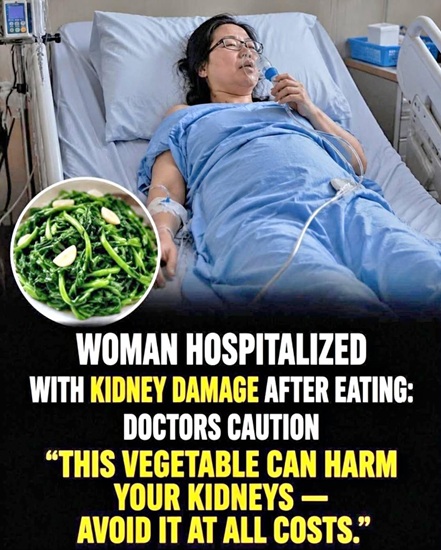
Most of us grow up hearing the same advice. Eat your vegetables. Finish your greens.
Add more color to your plate. And the advice makes sense. Vegetables provide fiber, vitamins, minerals, and a wide range of plant compounds.
They can support healthy eating patterns associated with cardiovascular health, digestion, and overall well-being.
But there is another part of the story that gets much less attention.
Fresh vegetables are still food.
And like any other food, they can become unsafe if they are contaminated, stored badly, or handled carelessly.
That does not make vegetables dangerous.
It makes food safety important.
The distinction matters.
Leafy greens, root vegetables, herbs, sprouts, and other fresh produce often begin life outdoors.
They grow in soil.
They may be exposed to irrigation water.
Rain.
Animals.
Farm equipment.
Workers.
Transportation.
Packing facilities.
Supermarkets.
And finally, home kitchens.
Every stage creates a small opportunity for contamination.
Most produce reaches the table safely.
But sometimes harmful microorganisms get involved.
That is where problems can begin.
Certain strains of E. coli have been linked to produce outbreaks.
So have Salmonella and Listeria.
Leafy greens have received particular attention because they are often eaten raw.
If contamination occurs and the food is not cooked, there may be no final heat step to kill the bacteria.
That is why safe handling matters before the first bite.
The contamination itself may happen long before the food reaches your kitchen.
Irrigation water can be contaminated.
Animal waste can reach fields.
Runoff can carry microorganisms.
Equipment can transfer bacteria from one surface to another.
Workers can accidentally spread contamination during harvest or packing.
Even packaging does not eliminate all risk.
Food producers use safety systems to reduce contamination.
But no system can make risk completely disappear.
That is also why washing at home helps but does not guarantee sterility.
Running water can remove dirt.
It can reduce some bacteria.
But it cannot reliably remove every microorganism from every surface.
A wrinkled leaf has many small folds.
A rough vegetable surface can hold material.
Bacteria may also attach in ways that simple rinsing cannot fully reverse.
So washing is important.
But it is only one layer of protection.
Storage is another.
Temperature matters.
Perishable produce should be kept cold when refrigeration is required.
Pre-cut vegetables are especially important.
Once a vegetable is sliced, chopped, or shredded, more internal tissue is exposed.
That can make it easier for microorganisms to grow.
A bag of cut lettuce left warm for hours is not the same as a whole head of lettuce kept properly refrigerated.
The same applies to cut melon.
Prepared salads.
Chopped herbs.
And cooked vegetables.
Cold storage slows the growth of many microorganisms.
It does not stop time.
Food still spoils.
But refrigeration buys safety.
That is why perishable produce is generally best stored around 40°F, or 4°C, or colder.
The refrigerator itself also needs attention.
A refrigerator can become a source of cross-contamination.
Raw meat may leak.
Containers may drip.
Dirty shelves may spread bacteria.
That is why raw meat, poultry, and seafood should be stored in a way that prevents juices from reaching produce.
The lowest shelf is often a safer place for raw meat.
Produce belongs away from those juices.
Cross-contamination is one of the most common ways safe food becomes unsafe.
Imagine cutting raw chicken.
Then using the same board for tomatoes.
The tomatoes may never be cooked.
Any bacteria transferred from the chicken can go directly onto the plate.
The same can happen with knives.
Hands.
Plates.
Counters.
Or kitchen towels.
The solution is not complicated.
Separate raw animal products from produce.
Wash equipment thoroughly.
Use different cutting boards when possible.
And wash hands properly before and after handling food.
Good handwashing remains one of the simplest food-safety habits.
Use soap.
Use running water.
Scrub thoroughly.
About 20 seconds is a useful rule.
Then dry with a clean towel.
It sounds basic.
It is.
But basic habits prevent a large number of avoidable problems.
Washing produce is equally straightforward.
Use running water.
Not dish soap.
Not bleach.
Not household cleaner.
Produce is food.
Detergents are not intended to be swallowed.
Some fruits and vegetables have porous surfaces.
Residues can remain.
So even though soap sounds like it should make produce cleaner, it is not recommended.
Plain running water is the safer standard.
For firm produce, gentle scrubbing can help.
Melons are a good example.
People often think there is no reason to wash a melon because the rind is not eaten.
But the knife cuts through the outside.
Anything on the surface can be transferred inward.
So washing the rind first makes sense.
The same logic applies to cucumbers.
Potatoes.
Carrots.
And other firm vegetables.
If the surface is rough, a clean produce brush can be useful.
Then there are bags labeled “washed,” “ready to eat,” or “triple washed.”
These usually do not need to be washed again.
Repeated washing can actually introduce contamination if the sink or hands are not clean.
Following the label is often the better choice.
That may surprise people.
More washing feels safer.
But more handling can create more opportunities for contamination.
Food safety is sometimes about knowing when to stop.
Sprouts deserve special attention.
They grow in warm and humid conditions.
Those conditions are excellent for germination.
Unfortunately, bacteria also like them.
If seeds are contaminated, bacteria can multiply during sprouting.
That makes raw sprouts a higher-risk food than many people realize.
People at greater risk of severe foodborne illness may need to be especially cautious.
That includes pregnant people.
Older adults.
Very young children.
And people with weakened immune systems.
Cooking sprouts thoroughly can reduce risk.
But raw sprouts remain one of the produce categories that deserves extra care.
Then there is the issue of leftovers.
Cooked vegetables are not automatically safe forever.
Once cooked, they can still support bacterial growth.
Leaving cooked spinach or other greens at room temperature for a long time is not a good idea.
Neither is leaving vegetable soup out overnight.
The safest habit is to refrigerate leftovers promptly.
Large amounts of hot food should cool efficiently.
Shallow containers can help.
Then reheat only the portion you plan to eat.
Repeated warming and cooling cycles create more opportunities for bacteria to grow.
This is where one popular myth needs correction.
Leafy greens do contain natural nitrates.
That is normal.
But reheating spinach does not automatically turn it into a dangerous food.
The real issue is poor storage.
Under unsuitable conditions, microorganisms can influence chemical changes.
So the practical rule is not “never reheat spinach.”
It is “store cooked food properly.”
Cool it.
Refrigerate it.
Reheat it appropriately.
Do not leave it warm for hours.
That advice is far more useful than fear-based claims about “toxic reheated greens.”
Another area that creates confusion is natural plant toxins.
Some vegetables naturally contain defensive compounds.
Potatoes are a well-known example.
When potatoes are exposed to light or begin to sprout, glycoalkaloid levels can rise.
Solanine is one of the compounds people commonly hear about.
Green coloring itself is not the toxin.
But greening can be a warning sign that the potato has been exposed to conditions that may also increase glycoalkaloids.
Very green potatoes are best avoided.
The same applies to potatoes that taste unusually bitter or are heavily sprouted.
Minor sprouting can sometimes be trimmed away if the potato is otherwise firm and normal.
But badly damaged or heavily green potatoes are better discarded.
Again, context matters.
Ordinary potatoes are not poisonous.
Improperly stored or heavily greened potatoes can contain more natural toxins.
That is the distinction.
Chemical residues from farming are another topic people worry about.
Agricultural chemicals are regulated.
Washing produce under running water can remove dirt and reduce some surface residues.
Peeling may reduce some residues further.
But there is no need to use detergent.
And there is definitely no reason to wash vegetables in bleach.
Trying to “sanitize” food with household chemicals can create a new problem.
The safest approach is usually simpler.
Running water.
Clean hands.
Clean tools.
Proper storage.
Then comes spoilage.
Some warning signs are obvious.
Slime.
Mold.
Bad smell.
Soft rot.
Major discoloration.
Those foods are usually better discarded.
But not every ugly vegetable is unsafe.
A crooked carrot is still a carrot.
A superficial mark does not automatically mean contamination.
Food safety should not turn into perfectionism.
Produce does not need to look like advertising photography to be edible.
What matters more is whether it shows signs of decay or contamination.
And this is where symptoms become important.
Foodborne illness often causes gastrointestinal symptoms.
Nausea.
Vomiting.
Diarrhea.
Abdominal cramps.
Sometimes fever.
Most cases improve without serious complications.
But severe symptoms can occur.
And some infections can affect the kidneys.
Certain strains of E. coli produce Shiga toxin.
In a small number of cases, this can lead to hemolytic uremic syndrome, or HUS.
HUS can damage the kidneys.
It can become life-threatening.
That sounds frightening.
But it is important to keep perspective.
Most people with ordinary stomach upset after a meal do not develop HUS.
The complication is uncommon.
Still, warning signs should not be ignored.
Very little or no urination can be serious.
So can bloody diarrhea.
Blood in the urine.
Severe weakness.
Unusual bruising.
Persistent vomiting.
High fever.
Or signs of severe dehydration.
Repeated vomiting and diarrhea can also reduce blood volume.
That can reduce blood flow to the kidneys.
In some cases, severe dehydration can contribute to acute kidney injury.
So even without HUS, serious gastrointestinal illness can affect kidney function.
That is why hydration matters.
Someone with mild diarrhea who can drink may be able to replace fluids at home.
Someone who cannot keep fluids down may need medical care.
Urine output becomes one useful clue.
A major drop in urination can signal dehydration or kidney problems.
Confusion.
Severe weakness.
Shortness of breath.
Swelling.
Or other concerning symptoms should also be assessed.
Food poisoning is often unpleasant but temporary.
Sometimes it is more than that.
Recognizing the difference matters.
There is also a timing issue.
People often assume the last meal they ate caused their illness.
That is not always true.
Different foodborne infections have different incubation periods.
Some symptoms begin within hours.
Others may take one or several days.
So the salad eaten at lunch is not automatically responsible for vomiting that begins that evening.
The exposure may have happened earlier.
That is why outbreak investigations rely on patterns and laboratory evidence rather than guesswork.
One dramatic story about illness after a vegetable meal does not automatically prove the vegetables were the cause.
That is an important lesson for health content generally.
Timing is not proof.
Association is not proof.
The safest conclusion needs evidence.
But when contamination is confirmed, the risk is real.
That is why public-health agencies sometimes issue recalls.
Leafy greens.
Carrots.
Sprouts.
Herbs.
Frozen vegetables.
Fresh-cut produce.
Any of these can be involved when testing identifies a problem.
Following recalls is useful.
If a product has been officially recalled, do not try to rescue it by washing harder.
Throw it away or follow the recall instructions.
Washing does not necessarily make a recalled contaminated product safe.
There is another common assumption worth correcting.
Organic produce is not automatically free from harmful bacteria.
Neither is produce from a farmers’ market.
Neither is home-grown food.
Organic agriculture involves specific farming practices.
It does not mean sterile.
Backyard vegetables can still come into contact with contaminated soil.
Animal feces.
Improper compost.
Dirty hands.
Or unsafe irrigation water.
So home-grown vegetables should still be washed.
The same hygiene principles apply.
“Natural” is not the same thing as “pathogen-free.”
The kitchen sink deserves attention too.
People often rinse vegetables directly in a sink that has just held dirty dishes or raw food.
That can undo part of the washing process.
Sinks can carry bacteria.
So can sponges.
Dishcloths.
And reusable towels.
Keeping these areas clean matters.
A clean colander can be useful.
So can washing produce under running water without placing it directly in a dirty sink basin.
The point is not to turn cooking into a laboratory.
It is to reduce unnecessary opportunities for contamination.
Simple habits work.
Buy produce in good condition.
Refrigerate foods that need it.
Keep raw meat separate.
Wash your hands.
Rinse produce appropriately.
Use clean knives and boards.
Store leftovers safely.
Discard spoiled food.
These steps cover most of the practical risk.
And now the deeper point becomes clear.
Vegetables are healthy.
That does not make them magically immune to food-safety problems.
We tend to associate danger with raw chicken.
Or seafood.
Or eggs.
A bowl of spinach feels completely different.
But bacteria do not care about a food’s health reputation.
If contamination occurs, even a nutritious food can transmit illness.
That does not make spinach unhealthy.
It means nutrition and food safety are two separate questions.
A food can be nutritionally excellent.
It still has to be handled correctly.
This is the part people sometimes overlook.
The phrase “healthy food” can create a false sense of security.
Someone may be very careful with chicken.
Then use the same dirty board for lettuce.
That completely reverses the logic.
Fresh produce deserves basic hygiene too.
Not fear.
Not obsession.
Just care.
And there is no reason for rare foodborne incidents to undermine the broader value of vegetables.
Plant-rich eating patterns remain important.
Vegetables provide nutrients.
Fiber.
Variety.
And flavor.
The goal is not to avoid them.
The goal is to remove preventable risk.
That is easier than many people think.
Most of the advice comes down to routine.
Cold food stays cold.
Raw meat stays separate.
Hands stay clean.
Produce gets rinsed.
Spoiled food gets discarded.
Leftovers get refrigerated.
Serious symptoms get medical attention.
That is the practical payoff.
The safety rules are not dramatic.
They are effective precisely because they are ordinary.
You do not need special produce soap.
You do not need complicated detox washes.
You do not need to fear reheated spinach.
You do not need to assume every green potato is a medical emergency.
You simply need sensible storage and preparation.
And perhaps the biggest misconception is that vegetables somehow belong outside normal food-safety rules.
They do not.
They grow in the real world.
They travel through real supply chains.
They enter real kitchens.
So they deserve the same hygiene habits as everything else we eat.
The advice we heard as children was still right.
Eat your greens.
Just remember one extra step.
Handle them safely before they reach the plate.

