
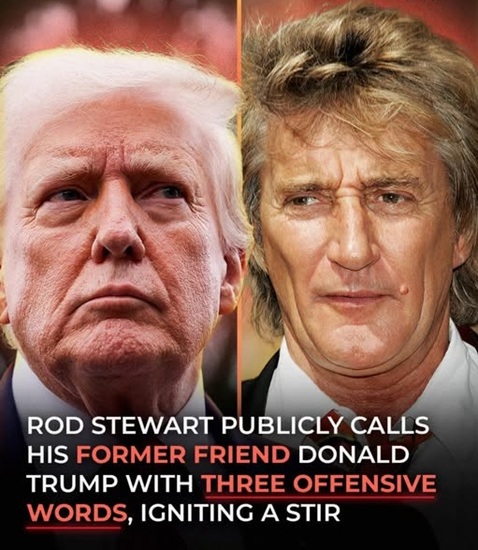
Public figures often find themselves at the center of intense online discussion whenever politics, entertainment, and personal expression intersect. In recent years, social media has amplified even the smallest celebrity moments into global talking points within minutes. A single comment, gesture, or offhand remark can quickly circulate across platforms, where it is dissected, interpreted, and debated by millions of users. This digital environment has created a space where entertainment news and political discourse frequently overlap, especially when well-known cultural figures share opinions that touch on sensitive topics.
As a result, moments involving celebrities often extend far beyond their original context, becoming part of larger cultural conversations. In this broader environment of public commentary, several high-profile figures have drawn attention for their political expressions or public statements in recent years. Musicians, actors, and entertainers have increasingly used their platforms to share perspectives on social and political issues. These statements often generate strong reactions, both supportive and critical, depending on audience perspectives.
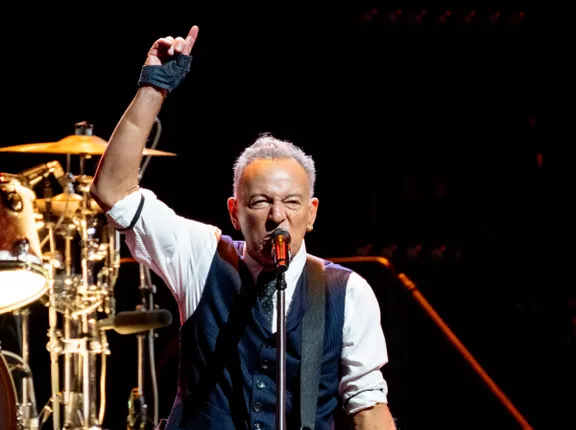
Some view such expressions as an important part of free speech and civic engagement, while others believe public figures should remain separate from political debate. This ongoing tension between celebrity influence and political commentary continues to shape how audiences interpret public appearances and statements. Among musicians, Bruce Springsteen has long been known for integrating social themes into his music and public remarks. Over the years, he has spoken about American identity, working-class struggles, and democratic values, often using concerts as a platform to reflect on broader national issues.
His commentary has sometimes sparked debate among fans and critics, particularly when touching on political leadership and national direction. Supporters argue that his perspective reflects artistic freedom and long-standing engagement with social issues, while critics believe such statements can be polarizing. Regardless of viewpoint, his influence in cultural and musical spaces remains significant. Similarly, actor Robert De Niro has also been outspoken in interviews and public appearances, especially regarding political developments in the United States.
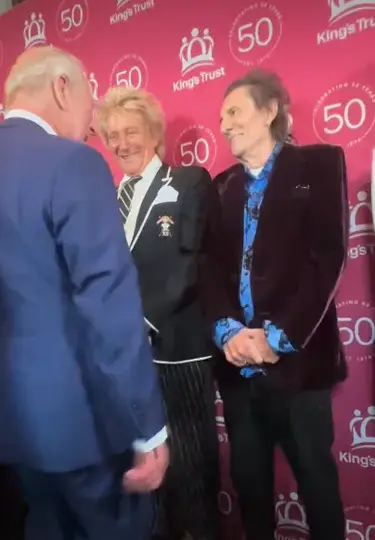
Known primarily for his work in film, De Niro has occasionally stepped into political commentary during speeches and award appearances. His remarks have often focused on concerns about democratic institutions, cultural policy, and the role of the arts in society. These statements have generated widespread online discussion, with audiences reacting strongly on both sides of the debate. As with many public figures, his transition from entertainment icon to political commentator has been met with both praise and criticism.
These examples illustrate a broader trend in which entertainment and politics increasingly overlap in public discourse. Social media platforms amplify these intersections, often removing context and focusing on individual soundbites or moments. This can lead to rapid viral spread of content that is then interpreted in multiple, sometimes conflicting ways. As audiences engage with these moments, discussions often expand beyond the original subject into wider debates about freedom of speech, responsibility, and the role of celebrities in political conversation. In this environment, even a brief remark can become part of a larger narrative.
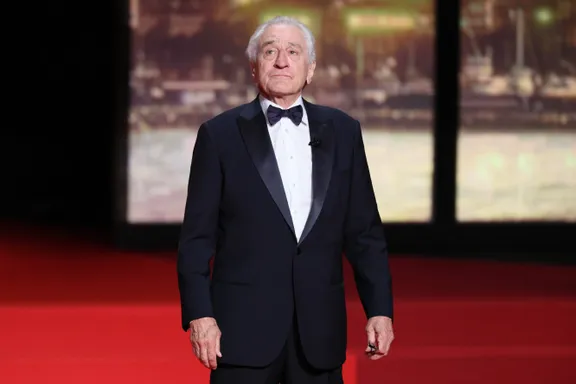
Against this backdrop, attention has also turned to a recent widely circulated moment involving musician Rod Stewart during a public appearance at a royal event. The setting took place at a formal celebration attended by members of the British royal family and invited guests. During the event, Stewart was seen engaging in a brief exchange with King Charles III, which was later captured in video clips shared online. While the interaction initially appeared ceremonial and respectful, a short segment of the conversation drew significant attention on social media after being widely circulated.
In the circulating footage, Stewart can be seen greeting the King in a friendly and informal manner. The tone of the exchange appeared lighthearted, consistent with the informal interactions that sometimes occur during public receptions. However, a specific remark made during the conversation quickly became the focus of online discussion. Because only partial clips were shared across platforms, viewers interpreted the moment in different ways depending on context and perspective. As is often the case with viral content, the lack of full context contributed to varying interpretations of what was said and how it was intended.
Following the spread of the clip, social media users reacted with a wide range of responses. Some found the moment humorous or characteristic of Stewart’s well-known outspoken personality. Others expressed concern about the appropriateness of informal remarks made in a formal royal setting. Additional users debated the broader implications of public figures making politically or socially charged comments during ceremonial events. These differing reactions reflected the diversity of public opinion and the speed at which online discourse can evolve once a clip gains traction.
The presence of the King in the video added another layer of interest, as royal engagements are typically expected to follow formal etiquette. Any deviation from expected protocol often attracts public attention, especially when involving well-known personalities. In this case, the interaction became a focal point not only because of what was said, but also because of the setting and the individuals involved. As the clip circulated further, commentary expanded beyond the moment itself into broader discussions about celebrity behavior, public decorum, and media interpretation.
At the same time, the situation highlights a recurring pattern in modern media consumption: short video clips often become stand-alone narratives, detached from their full context. This can lead to amplified reactions, as viewers respond to isolated moments rather than complete conversations. In the case of high-profile figures such as musicians, actors, and public officials, this effect is especially pronounced. Their words and actions are frequently subject to rapid analysis, resharing, and reinterpretation across multiple platforms within a short period of time.
Ultimately, the widespread attention given to this royal event reflects how modern digital culture transforms brief interactions into global discussion points. Whether involving political figures, entertainers, or members of royalty, public moments are now instantly accessible and widely debated. The combination of social media speed, audience engagement, and celebrity visibility ensures that even short exchanges can generate lasting online conversations. In this environment, perception often becomes as influential as the original moment itself, shaping how events are remembered and discussed long after they occur.

