
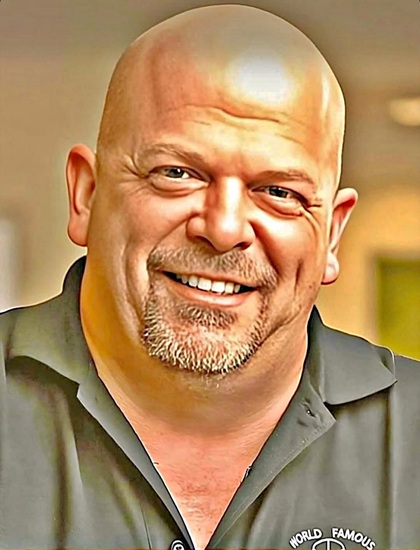
The Harrison family endured a profound tragedy in early 2024 when Adam Harrison, the son of television personality Rick Harrison, passed away at the age of 39. The news quickly attracted public attention, as many people were familiar with the Harrison family through the long-running television series Pawn Stars. While Adam generally lived a more private life than some of his relatives, his passing deeply affected those who knew and loved him.
As reports of Adam’s death became public, expressions of sympathy poured in from fans, friends, and members of the entertainment community. Many people shared messages of support for the Harrison family, recognizing the immense emotional pain that comes with losing a loved one unexpectedly. For the family, however, the focus remained on grieving privately and supporting one another during an incredibly difficult period.
In the weeks that followed, authorities conducted an official investigation into the circumstances surrounding Adam Harrison’s death. According to findings released by the Clark County Office of the Coroner and Medical Examiner in Nevada, Adam died from the combined toxic effects of fentanyl and methamphetamine. Officials ruled the death accidental, providing answers regarding the cause while also highlighting the ongoing dangers associated with powerful synthetic drugs.
The confirmation of the cause of death drew attention to a crisis that continues to impact communities across the United States. Public health experts have repeatedly warned about the risks linked to fentanyl, a highly potent synthetic opioid that has been associated with a significant number of overdose deaths in recent years. Adam’s passing became one of many tragic examples illustrating how substance-related deaths can affect families from all walks of life.
Although Adam was connected to a well-known television family, he largely stayed away from the spotlight throughout his life. Unlike some relatives who regularly appeared on television, he maintained a lower public profile. As a result, many people learned more about him only after news of his passing emerged. Those closest to him remembered him not as a public figure, but as a son, family member, and friend whose loss created a painful void.
Shortly after the tragedy, representatives for the Harrison family released a statement requesting privacy as they mourned. The family expressed their sadness and asked for understanding while they navigated the emotional challenges that accompany the death of a loved one. Such requests are common in situations where personal grief unfolds under public attention, allowing families the space needed to process their loss away from media scrutiny.
Rick Harrison later spoke publicly about the devastating impact of losing his son. His comments reflected the sorrow experienced by many parents who face the unimaginable reality of outliving a child. In interviews and public statements, Harrison shared the emotional weight of the tragedy while expressing love for his son and acknowledging the difficulties his family had endured.
Beyond discussing his personal grief, Harrison also used the opportunity to raise awareness about the dangers associated with fentanyl. He voiced concerns about the ongoing drug crisis and called for stronger efforts to address the issue. His remarks became part of a broader national conversation involving addiction, prevention, public safety, and the devastating consequences that substance misuse can have on individuals and families.
The loss of Adam Harrison also served as a reminder that addiction and substance-related struggles often occur outside public view. Families may face these challenges quietly for years, dealing with uncertainty, concern, and the hope that a loved one can find recovery. Many experts emphasize that addiction is a complex issue that affects people regardless of age, profession, or social status, making prevention and treatment efforts especially important.
Reports published after Adam’s death suggested that he had experienced personal difficulties before his passing. These reports contributed to wider discussions about the importance of mental health support, addiction treatment programs, and resources for individuals facing substance-related challenges. Advocates frequently stress that access to professional assistance can play a critical role in helping people pursue recovery and long-term stability.
For many viewers of Pawn Stars, the tragedy underscored the reality that public figures face the same hardships as anyone else. Television success and public recognition do not protect families from personal loss. Behind every public story are real people dealing with grief, memories, and the difficult process of moving forward after a devastating event.
As time passed, friends and supporters continued expressing condolences to the Harrison family. While public messages cannot remove the pain of losing a loved one, they often serve as reminders that others share in the family’s sorrow and wish them strength during difficult times. Many people reflected on the importance of compassion and support for anyone coping with the loss of a family member.
Rick Harrison has also spoken about the lasting effects of grief and the questions that often remain after a tragedy. Like many parents who experience the death of a child, he acknowledged the emotional challenges that continue long after the initial shock fades. Grief experts frequently note that healing is a gradual process, with each person experiencing loss in their own way and at their own pace.
The circumstances surrounding Adam Harrison’s death have also encouraged broader conversations about overdose prevention and education. Public health organizations continue to emphasize the importance of awareness, early intervention, and access to treatment resources as communities work to reduce substance-related harm. Many families affected by similar tragedies hope that increased understanding can help prevent future losses.
At its core, Adam Harrison’s story is about much more than headlines or public attention. It is about a family coping with the painful absence of someone they loved. Behind every statistic related to overdose deaths is an individual life, a network of relationships, and people left behind to mourn and remember.
Today, Adam is remembered by those closest to him through personal memories, shared experiences, and the moments that defined his life beyond public discussion. While the tragedy surrounding his death received significant media coverage, his family continues to focus on honoring his memory in their own way.
As the Harrison family moves forward, they do so while carrying both the sorrow of loss and the memories of a son, brother, and loved one whose life ended far too soon. Their experience serves as a reminder of the profound impact that addiction and overdose-related deaths can have on families everywhere, as well as the importance of compassion, awareness, and support for those affected by such tragedies.

