
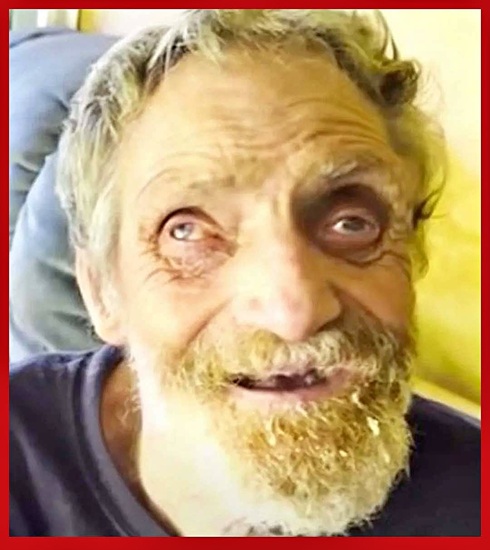
In the early 2000s, photographer and documentary creator Mark Laita began exploring communities and individuals whose stories were rarely covered by mainstream media. During one of his trips through rural West Virginia, he encountered the Whittaker family, a family living near the small community of Odd. What initially appeared to be another documentary subject eventually became one of the most recognized and widely discussed projects of his career. Over time, millions of people around the world would learn about the family through interviews, videos, and online documentaries.
Public interest in the Whittakers grew largely because of their unusual family history. According to accounts shared publicly over the years, several marriages between relatives occurred within earlier generations of the family. These details led to widespread discussions about genetic isolation in remote communities and the potential effects of closely related family lines over multiple generations. As media attention increased, many outlets began referring to the family with the controversial nickname “America’s most inbred family,” although this description was never an official scientific classification.
Through his documentaries, Mark Laita introduced viewers to several members of the family, including Ray, Betty, Larry, Lorene, and other relatives who appeared throughout the years. The videos offered a glimpse into their daily lives and the challenges they faced while living in a rural area with limited resources. Many viewers expressed sympathy after seeing the family’s living conditions, while others appreciated the opportunity to learn about a community that had received little public attention before.
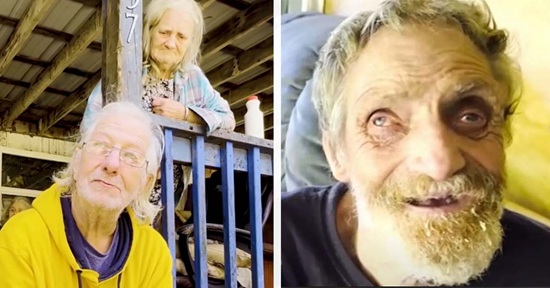
The family’s ancestry became one of the most frequently discussed elements of the story. Historical accounts presented in documentaries suggested that marriages between cousins occurred in previous generations, contributing to public curiosity about hereditary conditions. However, medical experts often point out that it is impossible to draw precise conclusions about a person’s health without proper evaluations. Genetics can influence certain traits and conditions, but factors such as environment, nutrition, healthcare access, and individual medical history are also important considerations.
As the years passed, Laita continued visiting the family and documenting changes in their lives. What started as a professional project gradually developed into a long-term relationship built on familiarity and trust. He frequently returned to check on family members, share updates with viewers, and help bring attention to their circumstances. Through fundraising campaigns and online support, many people contributed money intended to improve the family’s quality of life and assist with everyday needs.
Although the relationship between the filmmaker and the family lasted for many years, it was not without difficulties. Laita occasionally spoke about the challenges involved in documenting such a complex family situation. Building trust was sometimes difficult, communication was not always straightforward, and misunderstandings occasionally occurred. Despite these obstacles, he continued to share their story, believing that their experiences offered valuable insight into life in a little-known part of the country.
In March 2024, an unexpected controversy emerged when Mark Laita announced that Larry Whittaker had reportedly passed away. Based on information he had received, he believed Larry had suffered a fatal heart attack. Laita publicly expressed his sadness and described Larry as someone who had always treated him kindly throughout the years. He also shared concerns about the impact such a loss could have on the rest of the family.
Following the news, Laita contributed money to help cover what he believed were funeral expenses. Like many supporters who had followed the family for years, he accepted the information as accurate. However, the situation changed dramatically when evidence later emerged showing that Larry was still alive. A video released afterward featured Larry at the family property, surprising viewers and raising questions about the earlier reports.
The revelation left Laita frustrated and disappointed. After spending years documenting and supporting the family, he felt misled by the false information that had been provided. He later explained that he only learned the truth after seeing the video himself. The discovery quickly became a topic of discussion among followers of the documentary series and those who had donated money to assist the family.
Eventually, a family member named BJ publicly apologized for her involvement in the situation. She admitted that she had provided inaccurate information and explained that she had been struggling with substance abuse at the time. Her statements shed light on some of the personal challenges affecting the family and offered an explanation for how the misunderstanding occurred. While many people were disappointed by the incident, others viewed it as another example of the difficulties associated with addiction and unstable circumstances.
Despite the controversy, Mark Laita chose not to completely sever ties with the family. Over the years, he had developed genuine concern for their well-being and understood that many of their struggles extended beyond a single incident. He continued supporting efforts designed to improve their living conditions and maintained fundraising initiatives that benefited family members who needed assistance.
The story of the Whittaker family remains one of the most talked-about documentary subjects on the internet. For some viewers, it highlights the realities of poverty and isolation in rural America. For others, it raises broader questions about genetics, healthcare access, and the ethics of documenting vulnerable communities. Regardless of viewpoint, the story has attracted global attention and encouraged discussions about empathy, understanding, and social responsibility.
Today, interest in the Whittaker family continues, while Mark Laita’s documentaries remain an important part of their public story. Their experiences demonstrate how modern media can bring little-known lives into public view while also revealing the challenges that can arise when private struggles become the subject of worldwide attention. The story continues to resonate with audiences because it combines human complexity, compassion, and the realities of life in communities that are often overlooked.

