
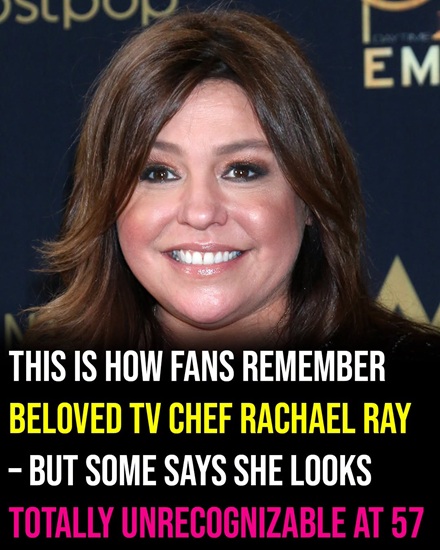
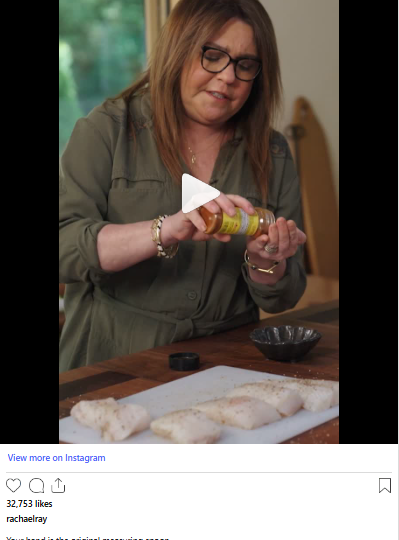
Rachael Ray has once again found herself at the center of online discussion after a recent cooking video caused some viewers to focus more on her appearance than on the recipe itself. The 57-year-old television personality shared a short clip explaining how she measures spices using the palm of her hand, a practical technique that fits the informal cooking style she has promoted for years. While many followers were happy to see her back in the kitchen, others said they were surprised by how different she looked.
Some comments quickly turned into questions about her health. Others pushed back, reminding people that physical appearance alone does not provide enough information to make medical conclusions. The video itself was straightforward. Ray demonstrated a simple seasoning technique and encouraged home cooks not to overcomplicate the process. That advice has long been part of her public identity, especially through programs such as 30 Minute Meals.
She built much of her career around the idea that cooking can be practical, fast, and approachable. Measuring ingredients by eye or by hand has always been part of that philosophy. The discussion became unusual only when viewers began turning their attention away from the food and toward Ray herself. Several commenters said they had not seen her in a long time and were surprised by her current appearance.
Others asked whether she was feeling well. Some remarks became far more critical, focusing on aging, weight, or facial changes. At the same time, many supporters came to her defense and argued that people should be more considerate when commenting on someone else’s body. They pointed out that aging is normal and that people should not expect a television personality to look exactly as she did decades earlier.
That reminder is especially important because Ray has not publicly announced a new medical diagnosis connected to this video. There is no verified basis for claiming that a change in appearance proves a specific illness. Social media users may speculate, but speculation is not the same thing as medical information. A person’s face, weight, voice, or expression in a short clip cannot responsibly be used to diagnose a health condition. Any serious conclusion would require information from Ray herself or a credible medical source.
Ray has faced similar speculation before. In 2024, another cooking video caused viewers to comment on her speech and facial appearance. Some people said she sounded different and began offering theories about her health. Those theories circulated widely, but Ray did not confirm the serious conditions that some commenters suggested. What she later did confirm was that she had experienced a couple of bad falls over a short period of time.
During an episode of her podcast I’ll Sleep When I’m Dead, Ray spoke about those falls while discussing how much she enjoys physical work. She described herself as someone who loves chores and remains active around the house. She enjoys cooking, organizing, planning meals, writing, and doing hands-on tasks. The falls had temporarily interrupted some of those activities, but she did not provide a broader diagnosis or say that they were caused by a neurological or other serious medical condition.
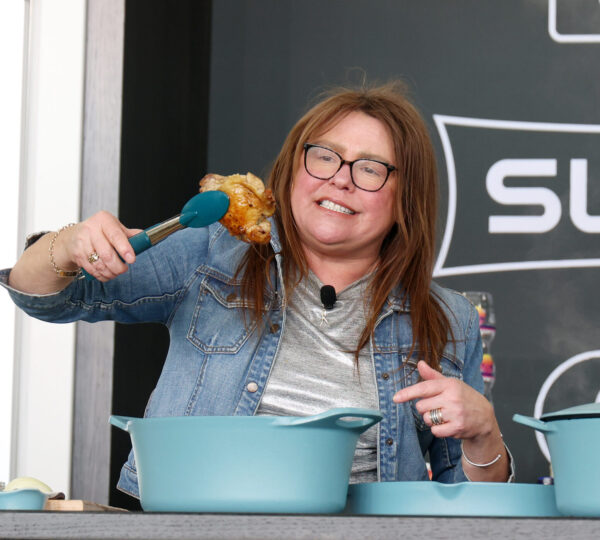
That distinction matters. Ray personally confirmed the falls. She did not confirm the medical theories that appeared online. Responsible reporting should therefore keep those two things separate. It is reasonable to mention something she chose to disclose publicly. It is not reasonable to turn that disclosure into evidence for a diagnosis she has never announced.
Her comments also made clear that she still considers herself a highly active person. Ray has repeatedly described herself as someone who enjoys staying busy. Even after the end of her daytime talk show, she continued working on food-related projects, media ventures, and other creative work. The end of one television format did not mean she stopped working altogether. Her professional life simply moved into a different stage.
The Rachael Ray daytime program ended in 2023 after 17 seasons. That was a major change because audiences had become used to seeing her almost every weekday. For someone who spent so many years on daytime television, even a normal reduction in public appearances could make it seem as though she had disappeared. In reality, she continued working through different formats and projects. She has spoken publicly about her strong work ethic and has rejected the idea that she simply walked away from her career.
Her career before that transition was already extensive. Ray became widely known through 30 Minute Meals, where she built a reputation around practical home cooking. She later expanded into cookbooks, magazines, daytime television, product lines, charitable work, and other ventures. Her style was never primarily about elaborate fine dining. She became popular because she made cooking feel manageable for ordinary households.
That is why the palm-measuring tip in her recent video is entirely consistent with the way she has always cooked. Ray has long encouraged people to trust their instincts in the kitchen. She often measures oil, herbs, or spices by sight rather than treating every recipe like a laboratory formula. For longtime viewers, there was nothing especially surprising about the technique. The reaction came from the way some people interpreted her appearance.
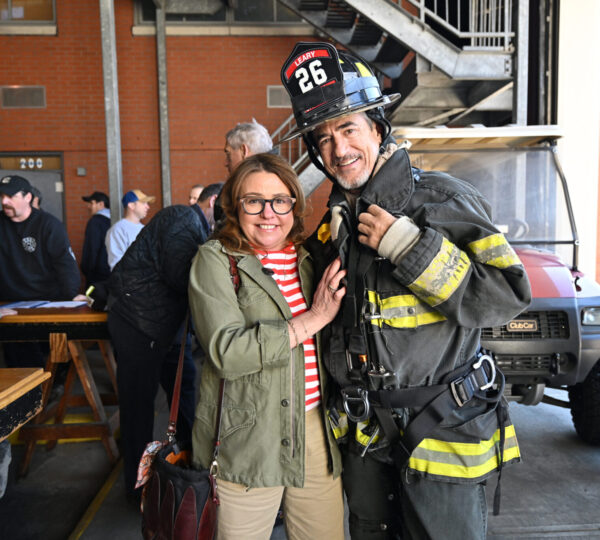
Age is one obvious factor that should be kept in perspective. Ray was born in 1968 and is now 57. She naturally does not look identical to the woman who became famous on Food Network in the early 2000s. More than two decades have passed. Hair, skin, body shape, facial features, and style can all change over that amount of time without pointing to a medical crisis.
There are also many ordinary factors that can change how someone looks in a video. Lighting, camera angle, makeup, hairstyle, image compression, facial expression, and screen quality can all influence appearance. Even weight fluctuations can occur for many different reasons. Without reliable information, choosing one explanation and presenting it as fact would be inaccurate.
Many of Ray’s supporters made a similar point. They asked other commenters to think about whether they would say the same things directly to her in person. Some argued that online spaces often encourage people to speak more harshly than they would face-to-face. Others said it was refreshing to see a woman in the public eye who did not seem required to maintain the exact same appearance forever.
Those comments touched on a larger issue surrounding women and aging in entertainment. Public figures are often compared with photographs or television appearances from many years earlier. If they appear to age naturally, they may be criticized for looking older. If they use cosmetic procedures, they may be criticized for looking different. That creates an impossible standard in which almost any change becomes a target.
Ray’s recent years have also included significant personal challenges. In 2020, her home in Lake Luzerne, New York, was destroyed by fire. Ray and her husband, John Cusimano, were able to escape, but many personal possessions were lost. She later spoke about the pain of losing photographs, letters, artwork, music, and other objects that had accumulated over years.
The loss was especially difficult because those items represented personal history. A house can be rebuilt, but family letters, photographs, gifts, and original artwork often cannot be replaced. Ray spoke openly about how emotional that experience was. The fire became one of several major disruptions she faced during a period already shaped by the COVID-19 pandemic.
During the pandemic, Ray continued producing content from home. She and Cusimano worked together more closely as they adapted to a different kind of television production. That period gave audiences a more personal view of their household and showed how much of Ray’s identity remains connected to cooking at home rather than only working in a studio.
Her marriage has also been the subject of online speculation from time to time. Ray and Cusimano have been married since 2005 and recently celebrated 20 years together. They have publicly acknowledged that they sometimes argue loudly and that both have strong personalities. Ray has framed that direct communication style as part of their relationship rather than as evidence that the marriage is ending.
There is currently little reliable evidence supporting claims that the couple is known to be separating. They have continued appearing together publicly and have celebrated major milestones. That does not mean outsiders know every private detail of their marriage. It simply means that unverified claims about a breakup should not be presented as confirmed fact.
Cusimano has also been involved in Ray’s business life. She has described him as someone who handles important professional responsibilities while she focuses heavily on creative work. Their relationship therefore includes both personal and professional cooperation. That became especially visible during the pandemic when they spent more time working side by side.
Another major loss came when Ray’s mother, Elsa Scuderi, died at the age of 92. Ray has spoken publicly about her grief and about the influence her mother had on her life. Scuderi had worked in restaurants and played an important role in shaping Ray’s relationship with food, hospitality, and hard work. Losing her was therefore both a personal and deeply meaningful loss.
Ray later described crying often after her mother’s death, but she also spoke about gratitude. She emphasized how fortunate she felt to have had so many years with her mother. That combination of sadness and appreciation is a common part of grief, but it should not be turned into an explanation for every physical change someone may notice in a video.
The same caution applies to menopause, medications, stress, weight changes, or other explanations suggested by commenters. Some fans shared their own personal experiences with menopause or grief while defending Ray. Those stories can help explain why they felt sympathy, but they do not provide evidence about Ray’s own health. One person’s experience cannot be used as a diagnosis for someone else.
It is also important not to confuse concern with certainty. A fan can sincerely say that Ray looks different and still have no idea why. A supporter can wish her well without assuming she is ill. That is a more responsible approach than turning visual impressions into medical claims.
Social media makes this difficult because the most dramatic comments often receive the most attention. A harsh remark can collect thousands of likes and become more visible than hundreds of ordinary responses. That can create the impression that everyone is focused on the same concern. In reality, many viewers may simply watch the video, enjoy the cooking tip, and move on without commenting at all.
This is why phrases such as “fans are convinced” or “everyone is worried” can be misleading. A visible group of commenters does not necessarily represent the entire audience. The more accurate description is that some viewers expressed concern while others defended Ray and criticized the tone of the conversation.
Ray’s current professional activity also provides useful context. She has continued developing projects through Free Food Studios and has remained active in food media. She has also launched podcasting work that gives her more space for long-form conversations. These projects show that she has not disappeared from public life.
Her podcast has allowed her to discuss subjects that do not always fit into a traditional cooking program. She has talked about work, relationships, physical activity, and other parts of her life. If she chooses to share additional health information in the future, she has a platform where she can do so directly. Until that happens, outsiders should avoid filling the silence with guesses.
Ray has always identified strongly with work. She has described herself as someone who finds satisfaction in staying active and productive. Cooking is part of that, but so are writing, planning, household chores, and physical tasks. That image is different from the stereotype of a celebrity whose daily life is disconnected from ordinary work.
Her love of chores is one of the more consistent things she has said about herself. She has talked about enjoying practical tasks around the home and finding them grounding. She likes making meals, organizing ideas, writing lists, and doing things with a clear physical result. That hands-on approach fits naturally with the cooking style that first made her famous.
Ray’s television success was also built on accessibility. She did not present herself as an untouchable restaurant chef. She spoke directly to viewers, made mistakes, moved quickly, and often treated cooking as something flexible rather than rigid. Her personality was part of the appeal because audiences felt they were watching someone cook the way a confident friend might cook at home.
The current seasoning video reflects that same identity. The basic message is that a cook’s hand can become a useful reference for seasoning once someone gains experience. Ray has taught similar ideas for years. The clip was not presented as a major announcement or a dramatic return. It was simply another practical piece of cooking advice.
Yet the internet’s reaction shows how easily attention can shift away from someone’s work. A few comments about appearance can transform a simple recipe video into a broader discussion about health, aging, and personal life. That change in focus can happen quickly, especially when the person involved has been famous for decades.
Longtime viewers often carry a fixed image of a celebrity in their minds. Ray became a household name when she was much younger. Old episodes continue to circulate, making it easy to compare her current appearance with television footage from 20 years ago. Someone who has not followed her recent work may therefore experience the change as more sudden than it actually was.
This is one reason phrases such as “unrecognizable” can be exaggerated. A viewer may simply be comparing two points separated by decades. The person in between did not change overnight. Aging happened gradually, even if the viewer was not watching every stage of it.
Recent photographs and public appearances also suggest that Ray’s current look has developed over time rather than appearing suddenly in one video. That does not answer every question people may have, but it does reduce the usefulness of dramatic claims that something clearly changed overnight. Visual impressions should always be placed in context.
Health reporting requires an even higher standard. Serious conditions should not be assigned based on internet comments. If a person has a stroke, neurological disorder, cancer, or another major illness, that information should come from a credible source. Guessing from a video can spread misinformation quickly and can be unfair to the person being discussed.
Ray’s known history includes some documented health-related events, including her past vocal issues and the falls she disclosed in 2024. Those facts can be mentioned because they are public. But even known medical history should not automatically be connected to a new video unless Ray or a medical professional confirms that connection.
The same principle applies to her voice. Ray has long had a distinctive, sometimes raspy speaking style. She has also previously had treatment related to her vocal cords. That history does not mean every difference in speech has one obvious medical explanation. Without confirmation, it remains inappropriate to diagnose the cause.
Fans sometimes respond to uncertainty by trying to build a complete explanation from separate details. A fall, a different facial expression, a personal loss, and a change in weight may be combined into one story. But combining unrelated facts does not automatically make the conclusion accurate. Each claim needs its own evidence.
The more careful picture is less dramatic but more truthful. Ray experienced a house fire. She later reported a couple of falls. Her long-running television show ended. She lost her mother. She celebrated 20 years of marriage. She continues working. All of those things are documented.
What is not documented is a new serious diagnosis explaining the way she looks in the recent video. That gap should remain a gap until Ray chooses to fill it. There is no need to invent an answer simply because social media wants one.
This approach also respects personal privacy. Public figures share more of their lives than most people, but they do not lose the right to keep medical information private. Ray has spent years talking openly about food, work, marriage, and family. That does not create an obligation to explain every physical change to strangers.
Her supporters appear to understand that. Many comments under the video focused on kindness rather than explanation. They reminded viewers that getting older is normal and that people should think carefully before making cruel remarks. That response helped shift the conversation away from ridicule and toward empathy.
There is also a difference between noticing and attacking. Someone can observe that Ray looks different without insulting her. The problem begins when observations become judgments about attractiveness, age, or health. Social media often encourages that shift because extreme language attracts attention.
For entertainment reporting, the best approach is to describe the reaction without endorsing it. It is factual to say that some viewers expressed concern. It is also factual to say that others defended Ray. It is not factual to say that a medical problem has been proven simply because many people commented about it.
The same standard should be applied to marriage rumors. Ray and Cusimano have publicly remained together and celebrated their anniversary. They have discussed arguments in a candid and sometimes humorous way. That openness should not automatically be reframed as evidence of instability.
Long relationships can contain conflict without ending. Ray has said that she and Cusimano communicate directly and sometimes loudly. She has also spoken warmly about him. Both things can be true at once.
Their relationship has survived major shared challenges, including the house fire and years of demanding work. They have also continued collaborating professionally. None of that proves that every day is perfect, but it does show why unsupported divorce rumors should be treated cautiously.
Ray’s career also continues to evolve rather than disappear. Her work today looks different from the schedule she kept during the height of her daytime show. That is normal for someone who spent many years producing a daily program. A reduced television schedule can be a career transition rather than evidence of a personal crisis.
She has spoken about enjoying the flexibility of newer projects. Podcasting, specialized cooking content, and production work allow her to remain creative without maintaining the same daily television format. That gives her more control over how she works and what she chooses to discuss.
Her continued interest in food is especially clear. She still shares recipes, cooking techniques, and kitchen advice. The seasoning video itself proves that the basic connection between Ray and her audience remains intact. She is still talking about food in the familiar, informal way that made her successful.
This is perhaps the most overlooked part of the controversy. The original video was not about health. It was about seasoning. The health debate came from viewers, not from Ray. Keeping that distinction clear prevents the reaction from replacing the actual content.
There is also a broader lesson about how celebrity culture handles aging. Audiences often expect public figures to remain frozen at the age when they first became famous. Television reruns and old photographs reinforce that expectation. But real people continue aging even while those old images remain unchanged.
Ray’s career spans enough time that many viewers first knew her when they themselves were much younger. Seeing her now can therefore feel like a reminder of their own passage of time. That reaction can be emotional, but it should not become an excuse for cruelty.
Her body and face are not public property simply because she has spent years on television. Fans can discuss her work, react to her videos, and express concern, but there is still a line between public interest and invasive speculation. Respecting that line is part of responsible online behavior.
Ray’s personal history also shows why a single image cannot summarize someone’s life. She has experienced success, loss, rebuilding, family changes, professional transitions, and grief. She has also continued working and creating. No one screenshot can explain all of that.
If Ray decides to address the recent comments directly, her own words would provide the best source. Until then, speculation should remain clearly labeled as speculation. That is especially important when the subject involves health.
The most reliable facts remain simple. Ray is 57. She continues working in food media. She publicly disclosed falls in 2024. She later lost her mother. She remains publicly married to John Cusimano and celebrated their 20th anniversary. She has not announced a new diagnosis explaining the appearance that some viewers discussed in her latest video.
Those facts provide enough context without exaggeration. They allow readers to understand why fans reacted and what Ray has actually said about her life. They also avoid turning rumors into conclusions.
Ultimately, the recent discussion says as much about social media as it does about Rachael Ray. A short cooking video became a debate about appearance because viewers brought their own expectations, memories, and assumptions to it. Some reacted harshly. Others responded with compassion. The truth remains more limited than either side may want.
Ray is still cooking, still working, and still sharing pieces of her life publicly. She has faced significant changes and losses, but there is no verified basis for diagnosing her from a short clip. Concern can be expressed without pretending to know more than the available evidence supports.
That is the most responsible way to approach the story. Focus on what Ray has actually disclosed. Separate fan reaction from confirmed fact. Avoid turning aging into a medical diagnosis. And remember that a public figure can look different, work differently, and live differently without owing the internet a complete explanation.
For now, the clearest takeaway from the video is the same one Ray was trying to offer in the first place: cooking does not always have to be complicated. The online reaction became complicated on its own. The facts, however, remain straightforward.

