
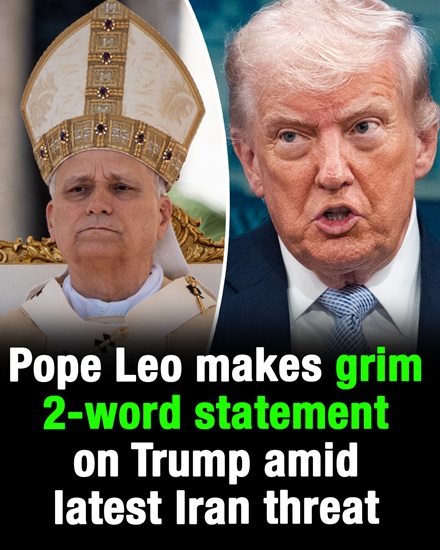
In a dramatic turn of events this week, the United States and Iran agreed to a conditional two‑week ceasefire, effectively pausing months of escalating conflict that had drawn intense global concern.
The agreement was announced Tuesday evening, just hours before a U.S. deadline that had been set for a dramatic escalation in military strikes if Iran did not comply with U.S. demands first.
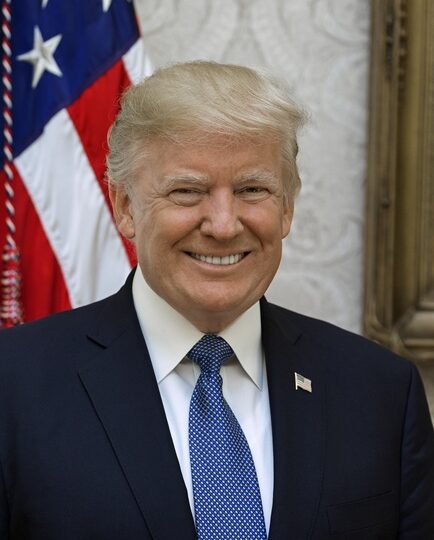
President Donald Trump described the ceasefire as a “total and complete victory” for American diplomacy and security, framing it as a diplomatic breakthrough with negotiations to continue beyond the initial pause.
Under the deal, Iran agreed to reopening the critical Strait of Hormuz for safe maritime traffic, a strategic requirement that had been central to U.S. demands throughout the conflict.
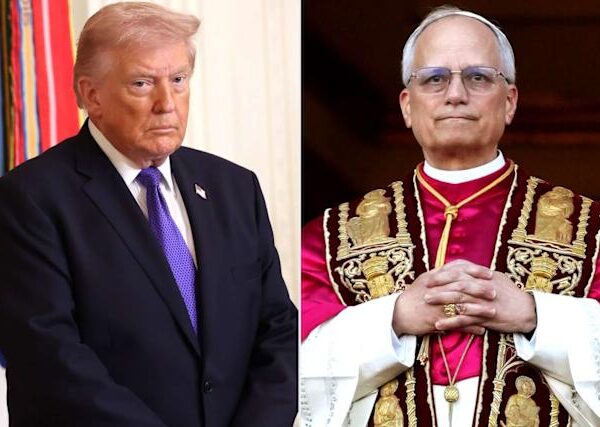
The Strait of Hormuz is one of the world’s most important shipping routes, handling roughly one‑fifth of global oil exports, and its status has been a key point of tension between Tehran and Washington.
The ceasefire is broadly understood as a temporary pause in hostilities, giving diplomats a two‑week window to work toward a more lasting agreement and reduce further risk of escalation.
Just before the ceasefire was reached, President Trump issued an extraordinary statement threatening catastrophic action against Iran, suggesting that an entire civilization might cease to exist if Tehran did not comply with U.S. conditions.
In a post on Truth Social, he wrote that “a whole civilization will die tonight, never to be brought back again,” a warning that drew global attention and alarm about the potential for mass violence.
That message prompted intense international concern, with many world leaders and commentators warning that rhetoric implying mass destruction of civilian populations could violate international norms and risk serious humanitarian consequences.
As fears of escalation swirled, Pakistan’s leadership helped mediate negotiations, urging both sides to seek a diplomatic solution and avert further bloodshed before the self‑imposed deadline.
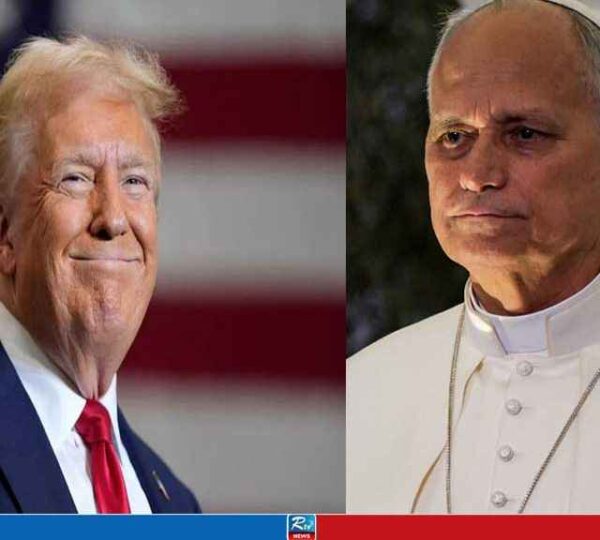
The last‑minute ceasefire was brokered with the help of Pakistani officials, allowing both governments to step back from imminent strikes while agreeing to maintain dialogue toward a broader peace agreement.
Reactions inside the United States were mixed. Some praised the agreement as a necessary pause that softened the specter of further conflict, while others questioned whether it signified a retreat from maximalist demands.
On the global stage, the announcement brought a mixture of cautious relief and skepticism, as analysts noted that a two‑week pause may not resolve underlying tensions or prevent renewed fighting.
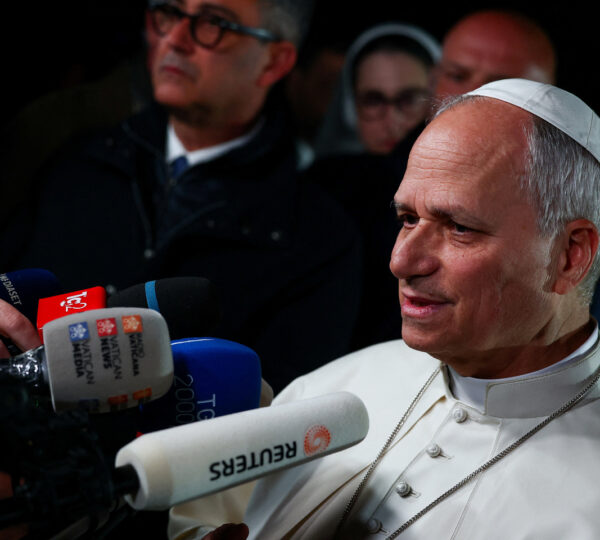
Among the most notable international responses came from Pope Leo XIV, the leader of the Roman Catholic Church, who publicly criticized the President’s earlier threat against Iranian civilians.
Pope Leo called the warning of wiping out an entire civilization “truly unacceptable,” urging restraint and a return to negotiation rather than escalation, as conflict has only deepened regional animosities.
In a rare direct intervention, the Pope emphasized the moral imperative for world leaders to avoid war and protect innocent civilians, particularly children, the elderly, and the sick caught in broader geopolitical struggles.
His comments came before the ceasefire agreement was reached, as he appealed for leaders on all sides to “come back to the table,” highlighting the devastating human cost of broad military action.
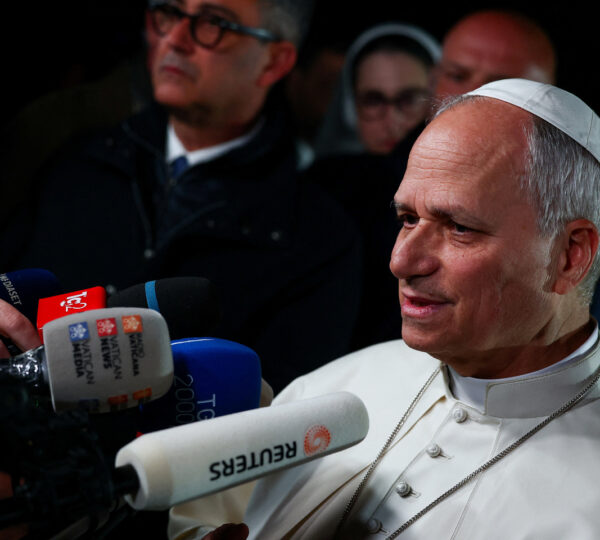
The Pope’s statements underscored that attacking civilian infrastructure can violate international law and humanitarian norms, urging political leaders to prioritize peace over continued warfare.
This marks one of the most pointed criticisms of U.S. policy from the Vatican in recent memory, reflecting broader unease among religious and humanitarian organizations about the tone of the conflict.
In addition to religious leaders, a range of political figures in the United States — including both Democrats and Republicans — publicly challenged the President’s aggressive rhetoric, arguing it risked unnecessary escalation.
Critics argued that statements implying massive destruction of a nation or civilization go beyond typical diplomatic posturing and raise concerns about adherence to international standards of conduct in war.
Some lawmakers, including prominent Democrats, called for congressional action in response to the threats, invoking legal and constitutional mechanisms designed to check executive authority on matters of war.
On the other side of the political spectrum, certain commentators and former allies expressed both shock and disappointment, questioning the wisdom of aggressive rhetoric that appeared to hinder diplomatic flexibility.
Amid the debate, military experts pointed out that targeting civilian infrastructure — such as power grids or water systems — could constitute a violation of the Geneva Conventions and widely accepted rules of armed conflict.
International law clearly protects civilians and civilian infrastructure in armed conflict, with the intent of minimizing suffering and preserving basic human needs even amid warfare, according to legal scholars.
The ceasefire deal agreed on Tuesday was conditional, requiring Iran to reopen the Strait of Hormuz for safe passage, a key condition that reflects both strategic and economic considerations as well as de‑escalation goals.
If fully implemented, the arrangement allows negotiators to use the two‑week pause for broader peace talks, though analysts caution that deep distrust and conflicting objectives could complicate progress.
The conflict began in late February, when U.S. forces and Iranian forces clashed following a series of escalating military actions, destabilizing the region and raising energy market uncertainties worldwide.
President Trump has repeatedly emphasized that reopening the Strait of Hormuz is essential, arguing that unimpeded maritime traffic is crucial for global energy stability and economic considerations.
Oil markets responded quickly to the ceasefire announcement, with prices falling precipitously as fears of further supply shocks eased, at least temporarily, following diplomatic progress.
However, experts warned that the truce may be fragile, with both Tehran and Washington maintaining divergent narratives about what constitutes true victory or compliance under the ceasefire terms.
In strategic analysis, some observers noted that the agreement may serve as a temporary de‑escalation tactic rather than a long‑lasting peace, given deep‑rooted tensions and competing national interests in the region.
Critics also noted that the ceasefire does not fully encompass related conflicts in neighboring countries, where allied groups and other actors may continue hostilities independent of the U.S.–Iran truce.
For now, the two‑week agreement stands as a short window of calm amid a broader and complex geopolitical crisis, offering a chance — however fragile — for diplomatic solutions.
How long that window holds will depend on continued negotiations, compliance with ceasefire conditions, and sustained pressure to avoid a return to large‑scale military engagement.
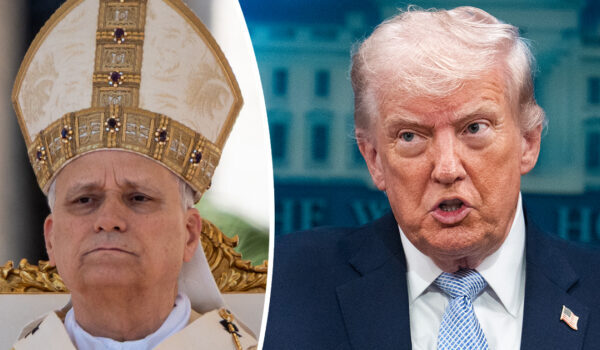
Pope Leo XIV’s optimistic welcome of the ceasefire underscores a broader desire among global leaders for a peaceful end to the conflict, emphasizing negotiation over violence.
The Vatican’s call for peace — echoing centuries of religious teaching — emphasizes the need to protect civilians and pursue diplomacy as the only sustainable path out of war.
As the diplomatic process continues, world attention remains fixed on the negotiations, the reopening of key waterways, and the possibility that peace could yet emerge from this tense moment.
Only time will tell whether this ceasefire becomes a foundation for lasting peace or a temporary pause in a broader and more enduring struggle for influence and security in the Middle East.
