

Photography has an incredible way of capturing moments that often go unnoticed in everyday life. Occasionally, a perfectly timed image can create an illusion so convincing that viewers must look at it multiple times before understanding what is really happening. These so-called “trick photos” or perspective illusions demonstrate how a single snapshot can completely change the way we interpret reality.
Many of the most impressive illusion photographs are not created through editing or special effects. Instead, they happen when lighting, timing, perspective, and positioning come together at exactly the right moment. A person standing in a specific location, an object appearing in the background, or a shadow falling at just the right angle can transform an ordinary scene into something that seems impossible at first glance.
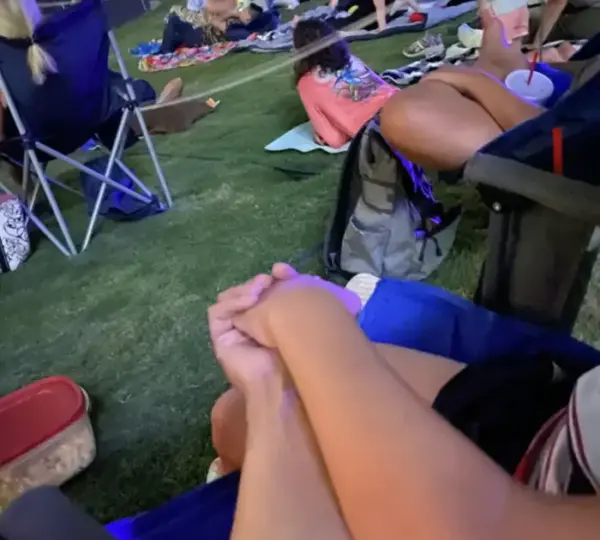
One of the most common visual illusions occurs when two unrelated objects line up perfectly from the camera’s viewpoint. A distant building may appear to rest on someone’s shoulder, or a nearby object may seem much larger than it really is. Because photographs flatten depth and distance into a two-dimensional image, the brain often struggles to interpret what it is seeing correctly.

These images are especially popular online because they encourage viewers to take a second look. At first, many people jump to conclusions based on what appears obvious. However, after studying the photo more carefully, they discover that the scene is entirely different from their original assumption. This surprise factor is one of the reasons why illusion photography continues to attract so much attention.
Lighting can also dramatically influence how an image is perceived. Shadows often create shapes and patterns that resemble completely different objects. Reflections in mirrors, glass windows, water, or polished surfaces can produce equally confusing effects. A simple reflection can make it appear as though something impossible is happening when, in reality, it is merely a trick of perspective.
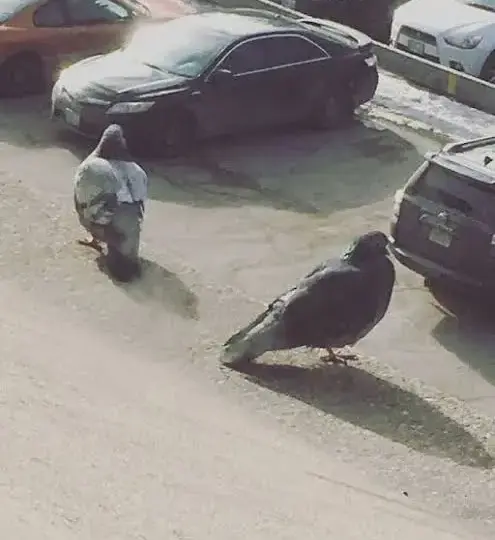
Another reason people enjoy these photographs is that they reveal how easily our minds can be misled. Human beings naturally process visual information quickly, relying on assumptions and past experiences to make sense of what they see. While this ability is useful in daily life, illusion photos expose how those mental shortcuts can sometimes lead us to incorrect conclusions.
The rise of social media has made these images more popular than ever. Every day, people share photographs that spark curiosity, laughter, and debate. Friends challenge one another to find the hidden detail or explain the visual trick. Often, viewers spend several minutes analyzing an image before finally noticing the small clue that makes everything clear.
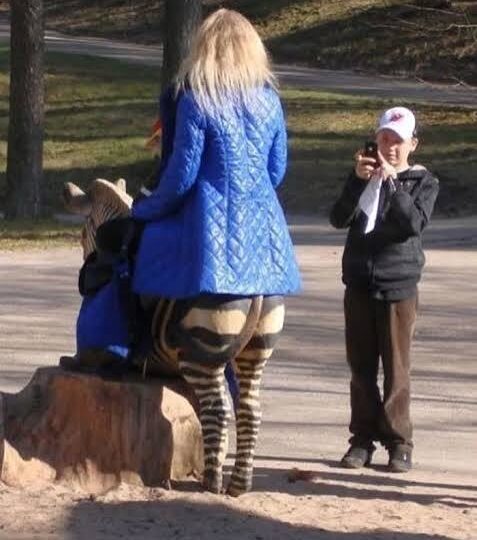
Some of the most entertaining examples involve animals, people, or everyday objects appearing far larger or smaller than they actually are. A bird flying near the camera lens may seem enormous compared to distant people. Likewise, a pet sitting close to the camera can appear larger than nearby vehicles or furniture. These amusing effects are usually created entirely by perspective rather than image manipulation.
Family photographs and vacation snapshots often produce accidental illusions as well. Someone standing behind another person may create the appearance of extra limbs, unusual hairstyles, or strange accessories. These perfectly timed moments often become favorite photos because they combine humor, surprise, and coincidence in a single image.

Beyond entertainment, these photographs offer an important lesson about observation. They remind us that appearances can sometimes be misleading and that taking a closer look often reveals information we initially overlooked. A quick glance may suggest one story, while careful examination reveals a completely different reality.
Professional photographers occasionally search for these opportunities intentionally, spending time experimenting with angles, distance, and composition. At the same time, many of the most famous illusion photographs happen purely by accident, proving that some of the best images are created by chance rather than planning.
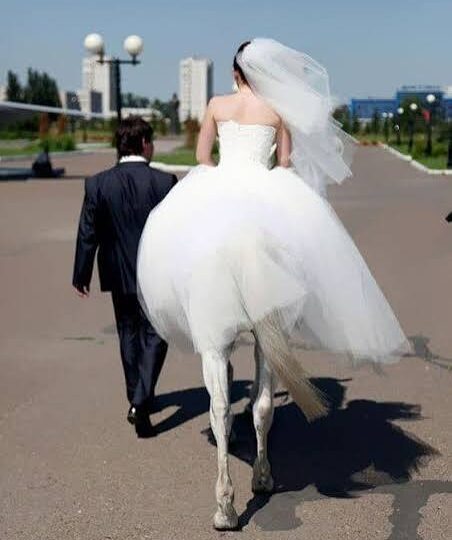
Ultimately, optical illusion photography remains one of the most fascinating forms of visual storytelling. A single image can challenge perception, spark curiosity, and inspire conversation among people around the world. Whether created through perfect timing, unusual angles, or fortunate coincidence, these photographs continue to remind us that reality often depends on how—and from where—we choose to view it.

