
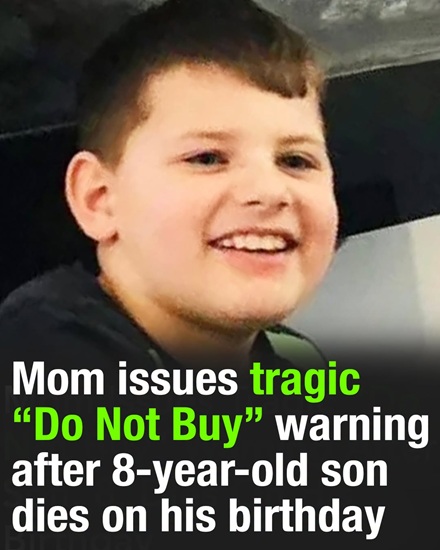
A heartbreaking accident involving an eight-year-old boy in Merseyside, England, has prompted renewed awareness about the potential dangers associated with helium-filled balloons. What began as a joyful birthday celebration ended in unimaginable tragedy, leading the child’s family to speak publicly in the hope of preventing similar accidents. The case has also drawn attention from safety experts and coroners, who have emphasized the importance of understanding how helium can become dangerous when it displaces oxygen in enclosed spaces.
Joshua Dunbar had just celebrated his eighth birthday on April 27, 2024, surrounded by family, birthday decorations, and the excitement that usually accompanies such a special occasion. Among the decorations was a large helium-filled balloon shaped like the number eight, symbolizing his new age. Like many families celebrating birthdays, Joshua’s loved ones viewed the decorations as part of a happy occasion and had no reason to believe they could pose a serious danger. According to information presented during the later inquest, the celebration had been proceeding normally before the unexpected accident occurred.
Later that day, Joshua was found unresponsive in his bedroom. Emergency services responded quickly, and paramedics transported him to the hospital while medical teams attempted to save his life. Despite those efforts, he could not be revived. The loss devastated his family, who later described the experience as unimaginable and said the memories of that day would remain with them forever. His mother, Carly, has since spoken publicly about her grief and her determination to help other families understand the potential risks associated with helium-filled balloons.

During the official inquest into Joshua’s death, Coroner André Rebello concluded that the medical findings were consistent with asphyxia involving a helium balloon. The coroner explained that helium itself is not poisonous. Instead, the danger arises because breathing a large quantity of helium can displace oxygen, preventing the body from receiving the oxygen required to sustain life. Without sufficient oxygen, unconsciousness can occur rapidly, followed by fatal consequences if normal breathing is not restored.
Addressing the court, the coroner described the incident as “one of the most tragic of accidents.” He noted that nobody could know exactly what Joshua intended to do in the moments before the accident. It was possible, he explained, that the child did not understand the danger or may simply have been experimenting with the balloon, as children sometimes imitate voices altered by helium. Importantly, the inquest found no evidence suggesting the incident was intentional. Instead, it was treated as a tragic accident involving circumstances that many parents may never have considered.
Following the inquest, Joshua’s mother chose to speak publicly about her family’s loss in the hope that increased awareness might help prevent similar tragedies. In emotional statements shared through interviews and social media, she explained that she would never want another family to experience the pain her family now lives with every day. She encouraged parents to consider using air-filled balloons instead of helium-filled ones during children’s celebrations, believing that greater awareness could help reduce the risk of future accidents.
Joshua’s story has resonated with many families because helium balloons are commonly used at birthdays, school celebrations, and other special occasions around the world. For most people, balloons are associated with happiness rather than danger. The inquest highlighted that, while helium is widely used safely for many purposes, large helium-filled balloons can present risks if they are placed over the head or inhaled directly. Public safety experts have long recommended that young children using helium balloons should be supervised and that parents carefully follow any safety guidance provided with such products.
The tragedy has also renewed broader discussions about consumer safety information. Previous coroners in the United Kingdom have issued reports expressing concern that many parents are unaware of the risks associated with helium-filled balloons and have suggested that clearer warnings could help improve public awareness. Those reports have encouraged regulators and relevant organizations to consider whether additional education or safety labeling may help reduce the likelihood of similar incidents occurring in the future.
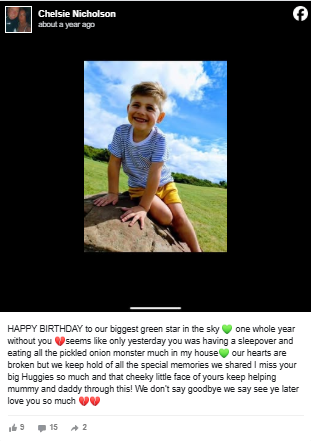
Although accidents involving helium balloons remain uncommon, Joshua’s family hopes that sharing his story will encourage parents and caregivers to become more aware of potential hazards that are not always obvious. Their message is not directed at removing joy from children’s celebrations but at helping families make informed decisions about safety. By understanding how helium affects breathing and ensuring that young children are properly supervised around large balloons, parents may be better equipped to reduce preventable risks while continuing to celebrate life’s special moments.
Joshua Dunbar’s story has encouraged many families to learn more about an everyday product that is generally associated with celebrations rather than safety concerns. Balloons are commonly used at birthday parties, school events, graduations, and community gatherings, and millions are purchased every year without incident. However, child safety experts emphasize that, like many household items, balloons should always be used responsibly and with appropriate supervision, particularly when young children are involved. Raising awareness of potential risks can help families enjoy celebrations while taking simple precautions to improve safety.
Medical professionals explain that helium is an inert, non-toxic gas, meaning it does not poison the body. The danger arises when helium replaces the oxygen that people need to breathe. If a person inhales a large amount of helium in a confined space or directly from a large balloon, the body may receive too little oxygen. Oxygen is essential for normal brain and heart function, and a significant reduction can quickly lead to unconsciousness and other life-threatening medical emergencies. This is why health professionals consistently advise against intentionally inhaling helium or allowing children to play with large helium-filled balloons without close adult supervision.
Following Joshua’s death, his mother, Carly, decided to speak publicly in the hope that other families might avoid experiencing similar heartbreak. In interviews and social media posts, she described the overwhelming grief of losing a child and explained that sharing Joshua’s story had become part of her effort to help protect other children. Her message focused on encouraging parents to consider using air-filled balloons instead of helium-filled ones during children’s celebrations. She has repeatedly said that if increased awareness prevents even one similar accident, she believes sharing her family’s experience will have served an important purpose. (uk.news.yahoo.com)
Joshua’s case has also renewed discussions among public safety organizations regarding consumer education. Safety specialists often point out that many accidents involving everyday products occur because people are unaware of uncommon hazards rather than because they intentionally ignore safety guidance. Clear product information, age-appropriate supervision, and greater public awareness are frequently identified as effective ways to reduce preventable injuries. While helium balloons remain widely available and are safely enjoyed by many families, experts encourage consumers to familiarize themselves with any warnings or instructions provided by manufacturers.
Child safety organizations similarly remind parents that children naturally explore their surroundings through curiosity and experimentation. Young children may not recognize risks that adults immediately understand, particularly when familiar objects are involved. For this reason, experts recommend supervising children during celebrations, storing decorations safely after events, and removing damaged or oversized balloons when they are no longer being used. These practical precautions are intended to reduce the likelihood of accidents while allowing families to continue enjoying special occasions.
The inquest into Joshua’s death also highlighted the important role that coroners play in identifying opportunities to improve public safety. In addition to determining a medical cause of death, coroners may issue observations or recommendations when they believe greater public awareness could help prevent similar incidents in the future. Although each case is unique, lessons learned from individual tragedies sometimes contribute to broader conversations about product safety, public education, and accident prevention. These discussions often involve manufacturers, safety regulators, healthcare professionals, and consumer organizations working toward the common goal of reducing preventable harm.
Joshua has been remembered by his family as a cheerful, energetic child who enjoyed spending time with those around him. Friends and loved ones have described him as someone who brought happiness to others through his personality and enthusiasm. While the circumstances surrounding his death remain deeply painful, his family hopes that his memory will also inspire greater awareness of child safety. By speaking openly about their experience, they have sought to transform personal grief into a message that may encourage other families to take simple preventive measures.
The broader public response has reflected compassion for Joshua’s family and support for efforts to improve awareness. Many parents have shared that they were previously unfamiliar with the potential risks associated with large helium-filled balloons and appreciated learning more about safe practices. Others have emphasized the importance of approaching the subject with sensitivity, recognizing that conversations about child safety are most effective when they focus on education rather than blame. This constructive approach encourages families to make informed decisions without creating unnecessary fear about products that can generally be used safely when appropriate precautions are followed.
Safety experts continue to recommend several practical measures that parents and caregivers may consider. These include supervising young children around balloons, preventing children from placing balloons over their heads or inhaling helium, properly disposing of damaged balloons, and carefully following any manufacturer instructions or safety warnings. Air-filled balloons may also be a suitable alternative for many celebrations, particularly for younger children. These recommendations are intended as general safety guidance and complement, rather than replace, the advice provided by healthcare professionals and product manufacturers.
Ultimately, Joshua Dunbar’s story serves as a reminder that accidents can sometimes involve familiar household items whose risks are not immediately obvious. While such incidents are uncommon, awareness and education remain important components of child safety. By learning about potential hazards, following recommended safety practices, and maintaining close supervision during celebrations, families can help create enjoyable environments while reducing avoidable risks. Joshua’s family hopes that this increased awareness will encourage thoughtful conversations about child safety and help protect other children in the years to come.

