
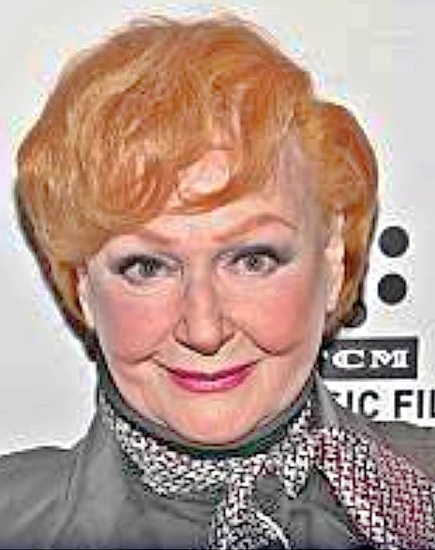
The film industry has recently reflected on the passing of Ann Robinson, an actress whose name is forever connected with one of the most iconic science-fiction films of the 1950s. Best known for her role in the classic production The War of the Worlds (1953), Robinson’s death at the age of 96 marks the end of a life closely tied to the golden era of Hollywood and the early development of science-fiction cinema. Although she was not a constant presence in modern Hollywood, her legacy continued to live on through the enduring popularity of the film that defined her career.
Ann Robinson was born on May 25, 1929, in Hollywood, California, placing her at the very center of the American entertainment world from the beginning of her life. Growing up in such an environment meant she was naturally surrounded by the influence of film studios, actors, and production culture. Like many young individuals in Los Angeles at the time, she was drawn toward performance and the creative arts. Her early life experiences shaped her interest in acting and gradually led her toward opportunities in the entertainment industry during the early 1950s.
Before achieving recognition on screen, Robinson explored different paths within the entertainment and performance world. She attended Hollywood High School, an institution known for producing several individuals who later entered show business. In addition to her studies, she also gained experience as a model and worked as a stunt rider, demonstrating both confidence and physical skill. These early roles helped her build a foundation of discipline and presence, qualities that would later support her transition into acting.
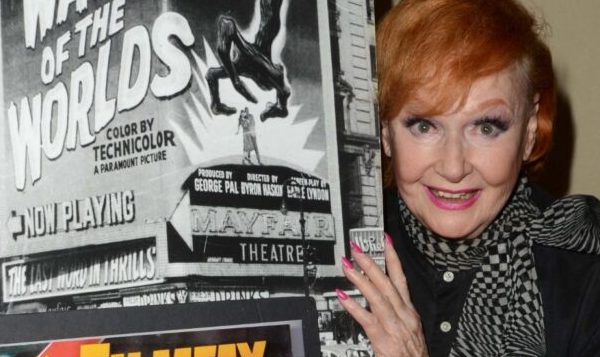
The early 1950s were a transformative period for Hollywood cinema. Studios were experimenting with new genres, and audiences were becoming increasingly interested in stories that combined imagination with social reflection. Science fiction, in particular, began to gain popularity as filmmakers explored themes of space, invasion, and human survival. It was during this evolving cinematic landscape that Ann Robinson received the opportunity that would define her career and secure her place in film history.
Her breakthrough came with the 1953 science-fiction film The War of the Worlds, directed by Byron Haskin and produced by George Pal. The movie was based on the famous novel by H.G. Wells and presented a dramatic story about Earth facing a devastating alien invasion. At the time of its release, the film stood out for its ambitious special effects and its serious approach to science-fiction storytelling. It quickly became one of the most influential films of its genre during that era.
In the film, Ann Robinson portrayed Sylvia Van Buren, a central human character caught in the chaos of the Martian invasion. Her role was essential in grounding the story emotionally, as the film combined large-scale destruction with deeply personal human experiences. Through her performance, Robinson helped convey fear, resilience, and emotional vulnerability, making the story more relatable to audiences. Even within a production filled with groundbreaking visuals, her character remained an important emotional anchor.
The War of the Worlds went on to become a landmark achievement in science-fiction cinema. Over time, it earned recognition as one of the defining films of the 1950s and a major influence on later alien invasion stories. Its impact extended far beyond its original release, inspiring filmmakers, writers, and creators across multiple generations. As a result, Ann Robinson’s performance remained visible and relevant long after the film first premiered.
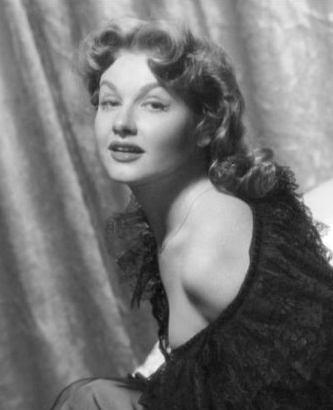
Unlike many actors whose careers are remembered through a wide range of leading roles, Robinson became strongly associated with this single defining performance. However, rather than limiting her legacy, this association strengthened it. The continued popularity of the film ensured that her work remained in public memory for decades. Every time the movie was revisited, her performance was rediscovered by new audiences, keeping her name alive in cinematic discussions.
The influence of The War of the Worlds also extended into the broader evolution of science-fiction storytelling. Many later films and television series drew inspiration from its themes of global threat, human survival, and the unknown dangers of outer space. Robinson’s role in such a foundational work helped secure her place in the history of a genre that continues to be one of the most popular in global entertainment.
Following the success of the film, Ann Robinson continued her acting career in both television and cinema. While she did not become a major Hollywood star in the traditional sense, she remained active in the entertainment industry. Her work reflected the experience of many professional actors who built steady careers through supporting roles and guest appearances across various productions. This allowed her to remain connected to the evolving world of television, which was rapidly growing in popularity during the mid-20th century.
Her television appearances included roles in several well-known programs of the time, such as Dragnet, Perry Mason, Alfred Hitchcock Presents, and Peter Gunn. These series represented some of the most respected and widely viewed television dramas of their era. By participating in such productions, Robinson demonstrated her versatility as an actress and maintained a consistent presence on screen beyond her most famous film role.
Although The War of the Worlds remained the highlight of her career, Robinson’s continued work helped broaden her experience within the industry. She was part of a generation of performers who transitioned between film and television during a period of major change in American entertainment. This adaptability allowed her to maintain a long-standing connection to audiences even as Hollywood itself evolved.
Her association with The War of the Worlds did not end with the original film. Decades later, Robinson returned to the story in a 1980s television adaptation, reconnecting her with the role that defined her public identity. This return highlighted the lasting significance of the original production and reinforced her connection to the science-fiction community. Fans appreciated seeing her involvement in a new interpretation of the story that had played such a major role in her career.
In addition to this, Ann Robinson made a memorable cameo appearance in Steven Spielberg’s 2005 adaptation of The War of the Worlds, starring Tom Cruise and Dakota Fanning. Her brief appearance served as a tribute to the original 1953 film and acknowledged her contribution to the legacy of the story. It created a symbolic link between the classic version and the modern adaptation, honoring the history of the franchise while introducing it to a new generation.
Beyond her film and television work, Robinson remained closely connected to science-fiction fans throughout her later years. She frequently attended conventions, retrospectives, and fan events where classic films were celebrated. These appearances allowed her to interact directly with audiences who admired her work and appreciated the history of early science-fiction cinema. Her presence at such events helped preserve the memory of The War of the Worlds and its significance in film history.
Fans often viewed Robinson as a living connection to a landmark period in Hollywood. While many films from the 1950s gradually faded from public attention, The War of the Worlds continued to attract interest and discussion. This ongoing popularity meant that Robinson’s legacy remained active, as new generations discovered her performance and learned about the film’s influence on the science-fiction genre.
Over time, Robinson became a respected figure within the science-fiction community, not only because of her role in the film but also because of her willingness to engage with fans. She embraced her connection to the movie rather than distancing herself from it, understanding the cultural importance it held for audiences around the world. Her openness and appreciation for her legacy contributed to her lasting popularity.
Ann Robinson’s passing at the age of 96 represents the end of a life that was deeply intertwined with one of cinema’s most important science-fiction classics. While her filmography may not have been extensive, her impact remains significant due to the enduring legacy of The War of the Worlds. Her performance continues to be remembered as an essential part of a film that helped shape the direction of the entire genre.
Today, Robinson is remembered not only as an actress but also as a symbol of early science-fiction cinema and its lasting cultural influence. Her work remains part of film history, studied and appreciated by enthusiasts, critics, and new audiences alike. Through her role as Sylvia Van Buren, she contributed to a story that continues to resonate across decades.
As time passes, Ann Robinson’s legacy will remain firmly connected to one of the most influential science-fiction films ever made. Her contribution to cinema ensures that her name will continue to be recognized as part of Hollywood’s golden era and the development of modern genre storytelling. Her work stands as a lasting reminder of how a single performance can leave an enduring mark on film history.

