
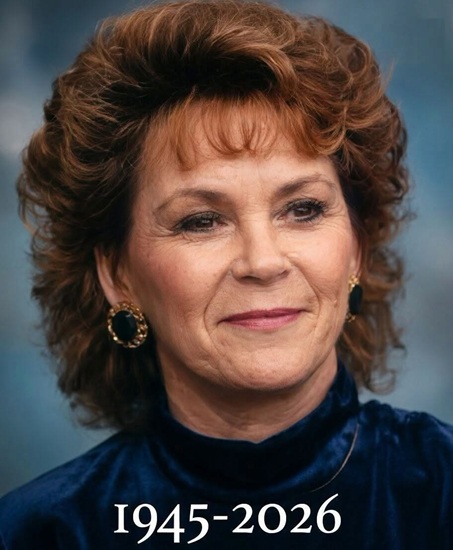
Long before audiences came to know Lauren Chapin as Kathy “Kitten” Anderson on the classic television series Father Knows Best, she was a young girl entering one of the most demanding industries in the world. During the 1950s, family sitcoms became a defining part of American television, and Father Knows Best earned a reputation as one of the era’s most beloved programs. Week after week, millions of viewers watched the Anderson family navigate everyday life with warmth, humor, and optimism.
Chapin’s lively performance made her one of the show’s most recognizable young stars and introduced her to audiences across the United States. To television viewers, Chapin appeared to be living an ideal childhood. The character she portrayed was energetic, curious, and often provided some of the series’ most memorable moments.
Behind the cameras, however, Chapin has written that her personal life differed dramatically from the wholesome image presented on screen. In her autobiography, she described growing up in a home affected by family instability, emotional hardship, and abuse, experiences that she says shaped much of her early life. Those accounts are presented as her own recollections and form an important part of her life story.
According to Chapin’s memoir, beginning a successful acting career at a young age brought opportunities but also significant responsibilities. Instead of experiencing an ordinary childhood centered on school, friendships, and leisure, much of her time was devoted to filming schedules, rehearsals, publicity events, and professional obligations. Like many child performers of the period, she balanced work and education while growing up in the public eye. Although audiences often associated fame with happiness, Chapin later explained that success on television did not protect her from the personal difficulties she faced away from the studio.
Throughout the years Father Knows Best remained on the air, Chapin became one of the program’s most familiar faces. The series earned lasting popularity and has continued to be remembered as one of television’s classic family comedies. Yet Chapin has said that the contrast between her television character and her private experiences became increasingly difficult to reconcile. While viewers saw a cheerful fictional family each week, she later described struggling with challenges that were invisible to the audience and rarely discussed publicly during that era.
When the series eventually came to an end, Chapin faced a difficult transition familiar to many former child actors. Leaving behind a successful television role meant adapting to life outside the structured routine of a long-running production. As public attention shifted toward new programs and performers, she entered adulthood while also coping with unresolved personal trauma that she says had accumulated throughout her childhood. Adjusting to those changes proved challenging, and she later spoke openly about the emotional difficulties she experienced during that period.
In her autobiography, Chapin recounts that the years following her television career included struggles with substance abuse, unstable relationships, financial hardship, and involvement with the criminal justice system. She also described periods during which she experienced homelessness and reached moments of profound emotional despair. These experiences, which she openly acknowledged in her memoir, reflected a difficult chapter that contrasted sharply with the public image many people still associated with her television career.
Mental health professionals and researchers have long noted that childhood trauma can have lasting effects on emotional well-being throughout adulthood. Studies have found associations between childhood abuse, depression, substance misuse, and housing instability, although each person’s experiences are unique and should never be assumed to follow the same path. Chapin has consistently described her own recovery as deeply personal rather than representative of every former child performer.
Despite those hardships, Chapin eventually began seeking a different direction for her life. In interviews and in her published memoir, she has credited faith, recovery, and a commitment to personal healing with helping her rebuild after years of struggle. Rather than attempting to erase painful memories, she has explained that she gradually learned to confront them honestly while focusing on rebuilding stability and purpose. That decision marked the beginning of a significant turning point in her life.
As her recovery progressed, Chapin chose to speak publicly about her experiences instead of keeping them private. She participated in speaking engagements, community outreach, and faith-based events where she discussed childhood trauma, addiction recovery, and resilience. By sharing her own story, she hoped to encourage people facing similar challenges to seek support and believe that meaningful change remained possible regardless of their past. Her message increasingly focused on hope, accountability, and perseverance rather than celebrity or nostalgia.
For many longtime viewers, learning about Chapin’s life beyond Father Knows Best offered a far more complete understanding of the person behind the beloved television character. While her performance remains an enduring part of television history, her willingness to discuss difficult chapters of her life has become another important aspect of her public legacy. Her story illustrates both the opportunities and the challenges that can accompany childhood fame, while emphasizing the possibility of recovery and personal growth even after years of hardship.
As Lauren Chapin entered adulthood, she gradually began rebuilding her life after years of personal hardship. In interviews and public appearances, she has explained that recovery was not a single event but a long process that required honesty, accountability, and a willingness to confront painful memories. Rather than attempting to hide the difficult chapters of her past, she chose to acknowledge them openly, believing that personal growth begins with accepting one’s own experiences. Her story became one of resilience rather than simply one of former television fame.
A significant part of that transformation involved her renewed commitment to faith. Chapin has written and spoken publicly about how her spiritual beliefs became an important source of strength during recovery. According to her own accounts, faith helped her find purpose during periods when she struggled with addiction, depression, and uncertainty about her future. While every person’s path to recovery is different, Chapin has consistently presented her experience as an example of how personal conviction and support can contribute to rebuilding a life after adversity.
As her circumstances became more stable, Chapin devoted increasing attention to helping others. She participated in churches, community organizations, and speaking engagements where she discussed topics including childhood trauma, addiction recovery, domestic abuse, and emotional healing. Rather than focusing primarily on her years as a television actress, she encouraged audiences to recognize that healing is often possible even after experiencing significant personal difficulties. Her presentations emphasized hope, responsibility, perseverance, and compassion.
Many people who attended her speaking events were already familiar with Father Knows Best, but they often left with a much deeper appreciation of the woman behind the famous television role. Instead of remembering only the cheerful child who entertained audiences during the 1950s and early 1960s, they came to understand the challenges she had faced away from public view. Her willingness to discuss painful experiences honestly resonated with many individuals facing struggles of their own.
Chapin also authored her autobiography, Father Does Know Best: The Lauren Chapin Story, providing readers with a detailed account of her childhood, career, personal hardships, and recovery. The book allowed her to tell her story in her own words while distinguishing her personal experiences from the fictional family portrayed on television. For many readers, the memoir offered valuable insight into the realities that can exist behind the public image of child performers, reminding audiences that fame does not shield individuals from personal challenges.
Her experiences have also contributed to broader conversations about the entertainment industry and the importance of supporting child actors both during and after their careers. Modern productions often include stronger protections, educational requirements, and financial safeguards for young performers than were common during the early years of television. Although many child actors have enjoyed positive experiences, Chapin’s story illustrates why emotional support, responsible adult guidance, and long-term well-being remain essential considerations for young people working in entertainment.
Television historians continue to recognize Father Knows Best as one of the defining family sitcoms of its era. The program remains an important part of American television history because of its influence on later family-centered series and its lasting popularity with audiences. Chapin’s performance as Kathy “Kitten” Anderson continues to be remembered for its warmth, humor, and youthful energy, making the character one of the show’s most enduring figures.
Over time, however, Lauren Chapin’s legacy has come to represent more than her contributions to classic television. Her openness about addiction, recovery, trauma, and perseverance has inspired many people to view her life as a story of resilience rather than simply celebrity. By sharing both her successes and failures, she demonstrated that personal identity extends far beyond a single role or a particular period of fame.
Today, Chapin’s life story continues to remind readers that public appearances rarely reveal the full reality of an individual’s experiences. Behind a successful television career may exist challenges that remain unseen for many years. Her decision to speak openly about those experiences has encouraged greater awareness of childhood trauma, recovery, and the importance of providing meaningful support to individuals facing difficult circumstances. Rather than allowing her past to define her entirely, she chose to use it as an opportunity to encourage understanding and hope.
Lauren Chapin’s enduring legacy therefore extends well beyond the black-and-white television screens that first introduced her to millions of viewers. She is remembered not only for portraying one of classic television’s most beloved child characters, but also for demonstrating resilience in the face of adversity and a commitment to helping others through her own experiences. Her journey illustrates that while early success can shape a person’s life, perseverance, compassion, and the willingness to pursue healing can become an even more meaningful and lasting achievement.

