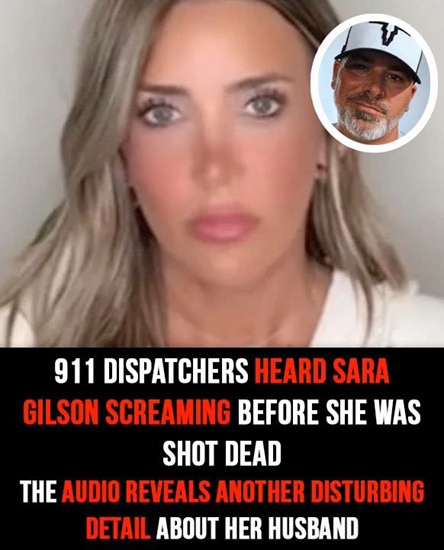
The release of newly obtained 911 dispatch audio has provided additional insight into the tragic events surrounding the deaths of Oklahoma social media creator Sara Gilson and her estranged husband, Jeremiah “Shawn” Duffey. According to authorities, the incident occurred during the early hours of July 23 at a residence in Collinsville, Oklahoma. Investigators have stated that the case appears to be a murder-suicide, although the investigation remains active as officials continue reviewing the evidence.
The tragedy has drawn widespread attention because of Gilson’s public presence online and the circumstances that reportedly preceded the incident. Sara Gilson, who was 43 years old, had built a following on social media by sharing aspects of her daily life and personal experiences. Friends and followers described her as someone who regularly connected with her audience through videos and personal updates. Her unexpected death has prompted an outpouring of condolences from people who knew her personally as well as individuals who had followed her online content.
Many have expressed sympathy for her family, especially her children, while waiting for additional information from law enforcement. Authorities reported that both Gilson and her estranged husband, 48-year-old Jeremiah “Shawn” Duffey, were found deceased inside the home. Police have publicly stated that preliminary evidence indicates the deaths appear consistent with a murder-suicide. Officials have also emphasized that investigators are continuing to gather evidence, review witness statements, and complete forensic examinations before issuing a final report. As with any active investigation, authorities have urged the public not to speculate beyond the confirmed facts.
The newly released dispatch audio, first obtained and reported by TMZ, captures the urgent response from emergency dispatchers during the unfolding emergency. According to the recording, a dispatcher informed responding officers that attempts were being made to reconnect with the caller after communication had been interrupted. The dispatcher stated that a female voice could reportedly be heard screaming and crying in the background before what was described as a loud bang. The recording reflects the rapidly developing nature of the emergency rather than providing conclusions about exactly what occurred inside the residence.
Emergency dispatchers reportedly attempted to return the call immediately after the connection ended but were unable to reach anyone. As dispatchers continued trying to gather information, another emergency call was received that helped responders better understand the seriousness of the situation. Every second during emergency incidents can be critical, and dispatch recordings often demonstrate the difficult decisions first responders must make while attempting to obtain accurate information from callers experiencing traumatic events.
According to reports, Gilson’s son later contacted emergency services from a neighboring residence. During that call, he reportedly informed dispatchers that his stepfather had shot his mother. Responding officers were immediately directed to the location, where they discovered both individuals deceased. The information contained in emergency calls is considered part of the investigative record and helps authorities establish the sequence of events leading up to incidents such as this one.
Police have not indicated that anyone else was physically injured during the incident. Authorities have focused their investigation on documenting the scene, collecting physical evidence, and interviewing potential witnesses. These standard investigative procedures help ensure that official findings are based on verified evidence rather than assumptions or rumors circulating on social media. Law enforcement agencies routinely emphasize the importance of allowing investigators to complete their work before drawing conclusions.
The release of the dispatch audio has also renewed attention to previous legal issues involving the couple. Public records indicate that Gilson had sought legal protection before the fatal incident. According to publicly available court information referenced in news reports, she had been granted a restraining order against Duffey in the weeks leading up to the shooting. Protective orders are civil legal measures intended to establish restrictions on contact when individuals report concerns for their safety.
In addition to the restraining order, Gilson had publicly discussed concerns regarding her estranged husband on social media shortly before her death. Approximately twelve days before the incident, she posted a TikTok video in which she made allegations against him. Those statements represented her publicly expressed accusations and were not judicial findings. Public allegations should be understood within that context unless confirmed through legal proceedings or official court determinations.
The dispatch recording also includes a statement by a dispatcher apparently referencing Duffey in connection with an earlier police matter. According to the audio, the dispatcher mentioned that officers had previously been looking for “a male that we were looking for a few weeks ago after he got caught kissing a juvenile.” This statement reflects information heard during emergency communications and should not be interpreted as a judicial finding or criminal conviction. Official court records determine legal outcomes, and investigations can differ from final legal conclusions.
Cases involving allegations against individuals often require careful distinction between accusations, investigations, arrests, charges, and convictions. Responsible reporting separates confirmed facts from allegations and clearly attributes information to official sources whenever possible. This approach helps readers understand what authorities have verified while avoiding conclusions that extend beyond publicly available evidence.
The deaths have had a profound impact on Gilson’s family and community. Authorities confirmed that she leaves behind two children. Friends, neighbors, and followers have shared messages expressing sadness and support for those closest to her. Community members have also encouraged respect for the family’s privacy during an exceptionally difficult period as they cope with their loss while investigators continue their work.
Incidents involving domestic violence and family conflict often generate intense public interest, particularly when one of the individuals involved maintained a significant online presence. Experts frequently note that social media provides only a limited view into people’s personal lives. While online content can document personal experiences, official investigations remain essential for establishing the factual timeline surrounding tragic events.
Law enforcement officials have not announced a final completion date for the investigation. As evidence continues to be reviewed, authorities are expected to release additional information only when appropriate under investigative procedures. Until then, many questions may remain unanswered publicly, underscoring why investigators typically caution against speculation during ongoing cases.
The tragedy involving Sara Gilson has prompted many people to reflect on the importance of recognizing warning signs in relationships and understanding the legal resources available to individuals who fear for their safety. While every situation is unique, advocates often encourage those experiencing domestic abuse or threats to seek assistance from trusted family members, legal professionals, law enforcement, or organizations that specialize in providing confidential support.
As investigators continue reviewing the evidence, officials have emphasized that the case remains under investigation despite the preliminary determination that the deaths appear to be a murder-suicide. Standard investigative procedures include forensic examinations, analysis of physical evidence, review of emergency communications, and interviews with individuals who may have relevant information. Authorities generally complete these steps before issuing a final investigative report, ensuring that every available fact is carefully documented.
The release of the 911 dispatch audio has helped provide a clearer understanding of the emergency response without changing the official findings announced by law enforcement. Emergency dispatch recordings often become part of the public record after investigations reach an appropriate stage, allowing the public to better understand how first responders handled rapidly developing situations. Even so, dispatch recordings represent only one part of a much broader investigation.
The dispatcher can be heard attempting to gather information while coordinating responding officers. Emergency dispatchers are trained to remain calm during highly stressful situations, asking questions that can help police and emergency medical personnel prepare before arriving at the scene. Their role is often critical because the information received during those first moments can influence how quickly resources are deployed.
Officials have not publicly released every detail collected during the investigation, and many aspects of the case remain known only to investigators. Law enforcement agencies commonly withhold certain evidence while an investigation is active in order to protect the integrity of the case. This approach helps ensure that witness statements, forensic findings, and other investigative materials can be properly evaluated before final conclusions are presented.
The case has also generated significant discussion because Sara Gilson had previously spoken publicly about personal difficulties she said she was experiencing. Her social media accounts contained posts discussing challenges in her private life, and those posts have since received renewed attention following her death. However, public statements shared online represent one part of the broader timeline and are considered alongside official evidence gathered during the investigation.
Court records indicating that Gilson had obtained a restraining order before the incident have also become part of the public discussion. Protective orders are legal tools intended to establish restrictions when an individual reports concerns for personal safety. While such orders may become relevant during an investigation, each case is evaluated individually based on the totality of available evidence rather than any single document.
Reports have also referenced previous allegations involving Duffey that received public attention before the shooting. It is important to distinguish between allegations, investigations, arrests, criminal charges, and court convictions. Responsible reporting relies on official records and clearly attributes allegations to their sources rather than presenting them as established facts. This distinction helps readers understand what has been confirmed and what remains part of investigative or legal processes.
The emotional impact of the tragedy has been felt throughout the Collinsville community and among Gilson’s online audience. Many people have shared messages expressing sympathy for her family and especially for her children, who now face the difficult process of grieving an unimaginable loss. Friends and community members have encouraged compassion and respect for the family’s privacy during this period.
Mental health professionals often note that sudden acts of violence can leave lasting emotional effects on surviving relatives, friends, neighbors, and emergency responders. Access to counseling, community support, and other resources can play an important role in helping individuals process traumatic experiences. Every person’s response to grief is different, and recovery often requires both time and support from trusted people.
The tragedy has also renewed conversations about domestic violence awareness and the importance of recognizing potential warning signs. Advocacy organizations frequently encourage individuals who believe they may be in unsafe situations to seek assistance from trusted family members, legal professionals, local authorities, or organizations that specialize in confidential support. While every circumstance is unique, early intervention can sometimes provide additional options and resources.
Law enforcement agencies across the United States routinely emphasize that reports of domestic violence should be taken seriously and investigated thoroughly. Protective orders, safety planning, and emergency assistance are among the legal and practical measures available in many jurisdictions. Public awareness campaigns continue encouraging victims and witnesses to report threats or violence so authorities can respond appropriately.
Because Sara Gilson maintained a public online presence, news of her death spread rapidly across multiple social media platforms. As information circulated, officials and news organizations encouraged the public to rely on verified reporting rather than unconfirmed online claims. During developing investigations, misinformation can spread quickly, making it especially important to distinguish verified facts from speculation.
The release of emergency recordings has provided additional context to the timeline already outlined by investigators, but it does not replace the official investigative process. Final reports typically incorporate forensic evidence, witness interviews, medical examiner findings, and all other available information before authorities formally conclude a case. Until that process is complete, investigators generally continue reviewing every relevant piece of evidence.
Sara Gilson’s death has left many people reflecting on the lasting impact one individual can have on family members, friends, and an online community. Beyond the headlines, those who knew her personally remember a mother whose children now face life without her. Their well-being remains at the center of many expressions of support from those affected by the tragedy.
As the investigation progresses, additional information may become available through official announcements from law enforcement or court records. Until then, the confirmed facts remain those released by investigators and other official sources. Reporting responsibly means acknowledging what has been verified while avoiding speculation about details that have not been confirmed.
The case serves as a reminder of the importance of careful, factual reporting when covering sensitive events involving loss of life. Presenting verified information, respecting the privacy of surviving family members, and distinguishing between confirmed facts and allegations help ensure that coverage remains accurate, balanced, and responsible. Those principles remain essential as investigators continue their work and the community remembers Sara Gilson and supports the loved ones she leaves behind.
