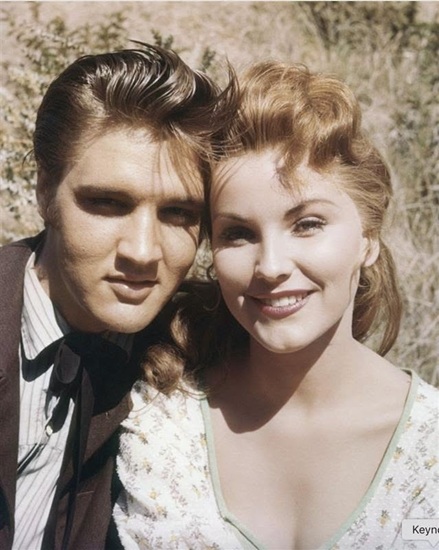
More than six decades after its original release, Love Me Tender continues to hold a special place in the history of American cinema and popular culture. Released in 1956, the film marked Elvis Presley’s first appearance on the big screen, introducing millions of moviegoers to a new side of the young performer who had already become one of the most recognizable names in music. Although audiences knew him primarily as a singer, Love Me Tender demonstrated that Elvis also possessed the screen presence, charisma, and determination necessary to begin building a career in Hollywood.
The film remains an important milestone because it represents the beginning of Elvis’s journey as an actor while capturing a unique moment in entertainment history. At the time Love Me Tender entered production, Elvis Presley had already achieved extraordinary success in the music industry. Songs such as Heartbreak Hotel, Don’t Be Cruel, and Hound Dog had transformed him into an international sensation, attracting enormous crowds wherever he appeared.
His performances generated unprecedented excitement, particularly among younger audiences, while also changing the direction of popular music. With his growing fame, film studios recognized that Elvis possessed not only remarkable musical talent but also tremendous commercial appeal that could attract audiences to movie theaters. The film was originally developed under the title The Reno Brothers.
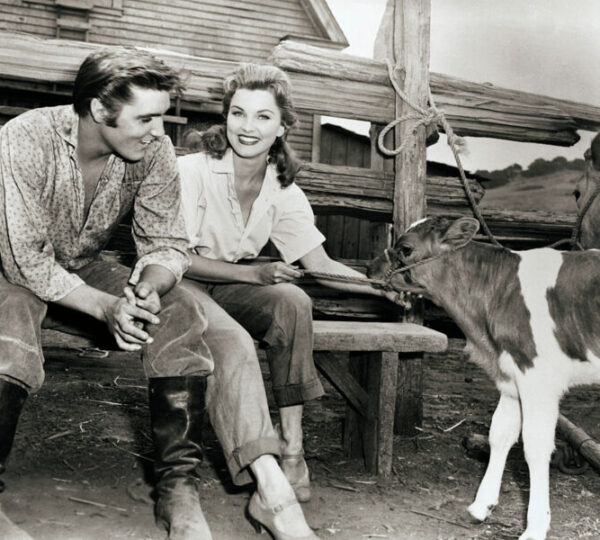
Before production concluded, however, the studio decided to rename the project Love Me Tender to take advantage of the enormous popularity of the title song performed by Elvis. The decision proved highly successful from a marketing standpoint, as the song quickly became one of the most recognizable recordings of his career. By connecting the film directly to the music that audiences already loved, the studio strengthened public interest even before the movie reached theaters.
Although Love Me Tender draws inspiration from the historical Reno Gang, it is not intended to be a detailed historical account of the real events or the actual lives of the outlaw brothers. Instead, the screenplay uses elements inspired by history to create a fictional dramatic story set during the years following the American Civil War. This historical backdrop provides the setting for themes involving family loyalty, conflict, romance, and difficult personal choices, while allowing the filmmakers considerable creative freedom in developing the characters and plot.
Before becoming one of Hollywood’s most recognizable stars, Elvis had dreamed of pursuing acting. During his younger years in Memphis, he enjoyed watching films starring performers such as James Dean, Marlon Brando, and Tony Curtis. Their performances inspired him to imagine one day appearing on the silver screen himself. While music ultimately launched his career, acting remained one of his personal ambitions long before he ever stepped onto a professional film set.
Colonel Tom Parker, Elvis’s longtime manager, recognized that combining movies with music could significantly expand his client’s popularity. Rather than viewing films and music as separate careers, Parker believed each project could strengthen the other. Songs recorded for films would receive additional exposure through radio broadcasts, while successful records could encourage audiences to purchase movie tickets. This business strategy became an important part of Elvis’s career throughout the late 1950s and 1960s.
When casting began for Love Me Tender, Elvis did not immediately receive the leading role. Instead, he was selected to portray Clint Reno, the youngest member of the Reno family. At the time, Richard Egan and Debra Paget had already been established as experienced Hollywood actors and received top billing. For Elvis, however, the opportunity represented an ideal introduction to filmmaking, allowing him to gain valuable experience while working alongside accomplished professionals.
People who worked on the production frequently described Elvis as respectful, hardworking, and eager to learn. Producer David Weisbart publicly praised his professionalism, noting that the young performer approached acting with genuine dedication rather than assuming his musical fame guaranteed success. According to accounts from the production, Elvis arrived prepared, learned his dialogue carefully, and treated the project with the seriousness expected from any professional actor beginning a new career.
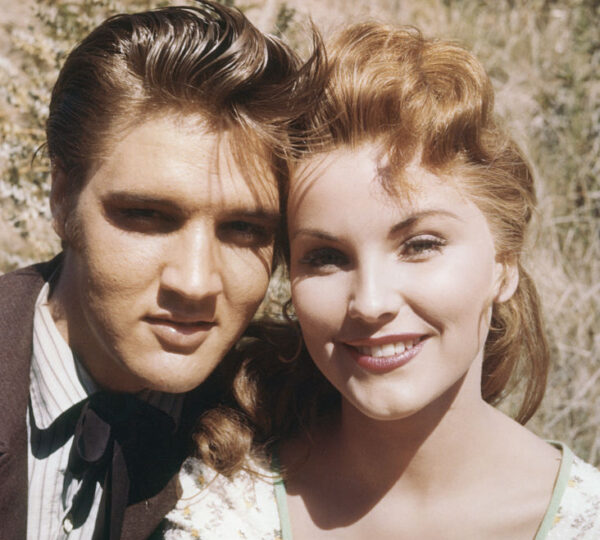
As filming progressed, the production team reportedly recognized that Elvis’s natural screen presence added something distinctive to the movie. His popularity with audiences was already extraordinary, and the filmmakers expanded some of his scenes to give viewers additional opportunities to see him on screen. While Clint Reno had originally been written as a relatively smaller character, Elvis’s growing appeal encouraged the studio to feature him more prominently throughout the finished film.
Despite his enthusiasm for acting, Elvis had originally hoped the film would focus primarily on dramatic performance rather than musical numbers. Nevertheless, studio executives believed audiences expected to hear him sing, leading to several musical performances being incorporated into the story. From a commercial perspective, this decision proved successful, although some film historians have suggested that Elvis himself initially preferred acting roles that relied less heavily on his established musical image.
One of the most memorable elements of Love Me Tender remains its title song. Although many listeners associate it exclusively with Elvis Presley, the melody is adapted from the Civil War-era ballad “Aura Lee.” New lyrics transformed the traditional melody into a romantic song that became one of the defining recordings of Elvis’s career. Before the film reached theaters, Elvis introduced Love Me Tender during an appearance on The Ed Sullivan Show, generating extraordinary public interest and helping the single achieve remarkable commercial success.
The excitement surrounding both the song and the film demonstrated the extraordinary popularity Elvis had achieved during 1956. Reports from the New York premiere described thousands of enthusiastic fans gathering outside the theater, with many waiting overnight for an opportunity to attend the event. Inside the auditorium, audience excitement was so intense that portions of Elvis’s dialogue were reportedly difficult to hear because of the enthusiastic reactions from moviegoers. Such scenes reflected the remarkable cultural influence Elvis already possessed only a few years after beginning his professional recording career.
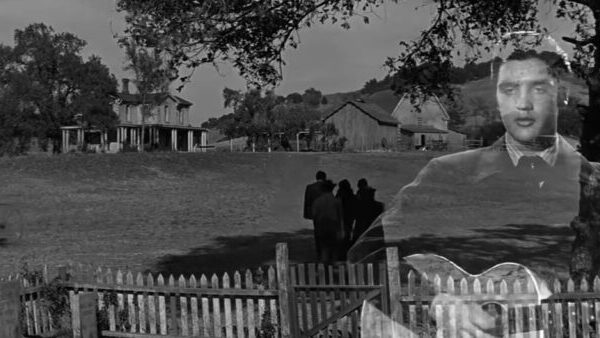
Beyond its commercial success, Love Me Tender occupies an important place in film history because it introduced audiences to an entertainer who would eventually appear in more than thirty feature films. Although opinions about his later movies vary among critics, Elvis consistently demonstrated remarkable dedication to his work while remaining one of the most recognizable performers of his generation. His first film therefore serves not only as an entertaining Western drama but also as the starting point of an acting career that became an important chapter in his broader artistic legacy.
Following the release of Love Me Tender, it became clear that Elvis Presley possessed a screen presence that extended far beyond his remarkable success as a recording artist. While critics offered mixed opinions about the film itself, audiences responded enthusiastically to Elvis’s performance, helping establish him as one of Hollywood’s most commercially successful new stars. The overwhelming public interest encouraged film studios to continue developing projects built around his unique combination of music, charisma, and acting. His transition from recording studios to movie sets marked the beginning of a new chapter that would shape much of his professional career during the following decade.
One of the film’s most notable co-stars was actress Debra Paget, who was already an established Hollywood performer when production began. By the mid-1950s, Paget had appeared in several successful productions and had earned recognition for both her talent and screen presence. Her experience proved valuable during filming, especially as Elvis adapted to the demands of professional acting. Working alongside experienced performers gave him an opportunity to observe established acting techniques while gaining confidence in front of the camera.
Elvis and Debra Paget had first met several months before filming when they both appeared on The Milton Berle Show. Later recollections from Paget described Elvis as polite, respectful, and courteous during their introduction. She recalled that he greeted both her and her mother warmly, making a positive first impression through his manners rather than relying on his growing celebrity status. These early interactions reflected the professionalism many colleagues would later associate with Elvis throughout his film career.
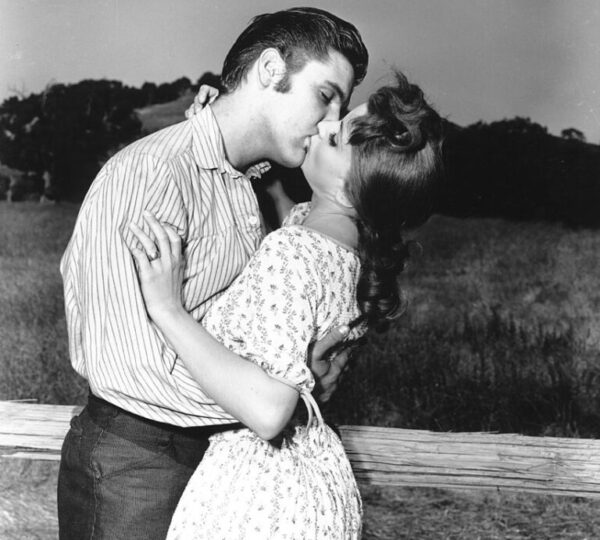
Over the years, numerous stories have circulated regarding Elvis’s admiration for Debra Paget. Several biographies and media reports have suggested that Elvis developed strong feelings for his co-star and, according to Paget’s later recollections, expressed interest in marriage. Paget stated in interviews that although she cared for Elvis, the relationship did not develop into marriage. Because these accounts come primarily from later interviews and biographies, they are best understood as personal recollections rather than independently verified historical facts.
During production, those working behind the scenes frequently commented on Elvis’s commitment to learning the craft of acting. Despite having no formal acting education, he reportedly devoted considerable effort to preparing for each scene, carefully studying dialogue and taking direction seriously. Crew members later described him as cooperative and eager to improve, qualities that helped him earn respect from many experienced professionals working on the film.
The musical elements of Love Me Tender became an important part of the movie’s identity. Although Elvis had initially hoped to focus more heavily on dramatic acting, studio executives recognized that audiences also expected musical performances. As a result, several songs were incorporated into the story. This decision reflected the entertainment industry’s marketing strategy during the 1950s, combining successful recording artists with motion pictures to reach broader audiences.
Among the songs featured in the film, Love Me Tender became the most enduring. Adapted from the melody of the nineteenth-century ballad Aura Lee, the recording achieved tremendous commercial success following its release. Elvis introduced the song to television audiences before the film premiered, helping generate extraordinary anticipation. The single remained one of the defining recordings of his career and continued to be performed regularly during concerts for many years afterward.
Film historians have also noted several continuity errors and historical inaccuracies within Love Me Tender, many of which have become interesting trivia for classic movie enthusiasts. Like numerous productions of its era, the film contains small details that modern viewers may notice more easily than audiences did during the 1950s. These minor production oversights have since become part of discussions celebrating the movie’s place in cinema history rather than diminishing its lasting popularity.
For example, viewers have pointed out certain wardrobe details and background elements that do not perfectly match the Civil War time period in which the story takes place. Such inconsistencies were relatively common in films produced during that era, when production schedules were often demanding and modern digital editing technology did not yet exist. Today, many classic film fans enjoy identifying these small details as part of appreciating the filmmaking techniques of earlier generations.
Another interesting aspect of the film involves its ending. According to accounts published over the years, some audience members were deeply saddened by the fate of Elvis’s character. Reports have suggested that producers later added an additional musical appearance during the closing credits featuring Elvis performing the title song. This sequence reportedly helped leave audiences with one final appearance by the young star, whose popularity had already reached remarkable levels by the time the film premiered.
The enormous response to Love Me Tender demonstrated that Elvis’s appeal extended well beyond the music industry. Fans enthusiastically supported his film debut, encouraging Hollywood studios to continue casting him in leading roles. During the following years, he appeared in numerous productions that blended music, romance, comedy, drama, and adventure, creating a distinctive style of entertainment closely associated with his career.
Although opinions among film critics regarding Elvis’s movies have varied over time, there is broad agreement that his influence on popular culture remains extraordinary. His combination of musical talent, stage presence, charisma, and dedication helped redefine entertainment during the second half of the twentieth century. Both his recordings and films continue introducing new generations of audiences to his work decades after their original release.
Today, Love Me Tender remains significant not only because it was Elvis Presley’s first feature film but also because it represents the beginning of an important period in American entertainment history. The movie captures a young performer standing at the threshold of an extraordinary career while offering viewers an opportunity to see the early development of an artist who would become one of the world’s most recognizable cultural icons. Whether appreciated for its historical setting, memorable music, or its place within Elvis’s remarkable career, Love Me Tender continues to be remembered as a landmark production that helped establish the enduring legacy of the King of Rock and Roll.
