
For more than six decades, Dyan Cannon has remained one of Hollywood’s most recognizable actresses, admired not only for her talent but also for her intelligence, resilience, and unmistakable screen presence. Throughout her remarkable career, she appeared in critically acclaimed films, worked alongside some of the entertainment industry’s biggest stars, and established herself as a performer capable of moving effortlessly between comedy, drama, mystery, and romance.
While millions admired her glamorous public image, Cannon has often spoken candidly about the personal struggles that unfolded behind the scenes. Her journey demonstrates that even those who seem to have achieved extraordinary success can face difficult challenges away from the spotlight. Born Samille Diane Friesen on January 4, 1937, in Tacoma, Washington, Cannon grew up in a family that encouraged creativity and education.
Her mother, Claire, was involved in the arts, while her father, Ben Friesen, worked in the insurance business. From an early age, she developed a love for performing and storytelling. After moving to California, she studied at West Los Angeles City College before pursuing acting professionally. Like many aspiring performers of her generation, she began by appearing in television productions during the late 1950s and early 1960s, gradually building experience and earning recognition within the entertainment industry.
Her determination soon paid off as she secured guest roles in numerous popular television series. Producers quickly noticed her natural charisma, expressive personality, and ability to connect with audiences. Rather than being limited to one particular type of role, Cannon demonstrated remarkable versatility, allowing her to appear comfortably in everything from lighthearted comedies to dramatic productions. Those early years established the foundation for what would become one of Hollywood’s most respected acting careers, opening doors to increasingly significant opportunities on both television and the big screen.
During the late 1960s and 1970s, Cannon’s film career reached new heights. She earned widespread critical acclaim for her performance in Bob & Carol & Ted & Alice (1969), a role that received an Academy Award nomination for Best Supporting Actress. The film explored changing social attitudes of the era while showcasing Cannon’s talent for balancing humor with emotional depth. Her performance introduced her to an even larger international audience and firmly established her among Hollywood’s leading actresses of the time.
Success continued with memorable performances in films such as The Last of Sheila (1973), Heaven Can Wait (1978), and Deathtrap (1982). Across these productions, Cannon consistently demonstrated her ability to portray complex, engaging characters with warmth, confidence, and authenticity. Over the course of her career, she received three Academy Award nominations, multiple Golden Globe nominations—including one Golden Globe victory—and later earned a Saturn Award. In recognition of her lasting contribution to the entertainment industry, she received a star on the Hollywood Walk of Fame in 1983, an honor reserved for performers whose work has left a lasting impact on film and television.
While her professional achievements continued to grow, Cannon’s personal life increasingly attracted public attention. One relationship, in particular, became one of Hollywood’s most widely discussed romances. That relationship was with legendary actor Cary Grant, one of the most celebrated leading men in film history. Their story fascinated audiences around the world because it brought together two successful performers from different generations. Grant was already an international icon whose elegant performances had defined Hollywood’s Golden Age, while Cannon represented a younger generation of talented actresses establishing their own identities within the rapidly changing film industry.
According to stories that have circulated for years, Cary Grant first became interested in Cannon after seeing her appear on television in the early 1960s. Captivated by her appearance and screen presence, he reportedly began asking friends, colleagues, and industry contacts about the young actress until he finally managed to arrange an introduction. Although these accounts have become part of Hollywood folklore, what is well documented is that Grant pursued Cannon persistently before she eventually agreed to date him. Their relationship quickly became one of the entertainment world’s most talked-about romances.
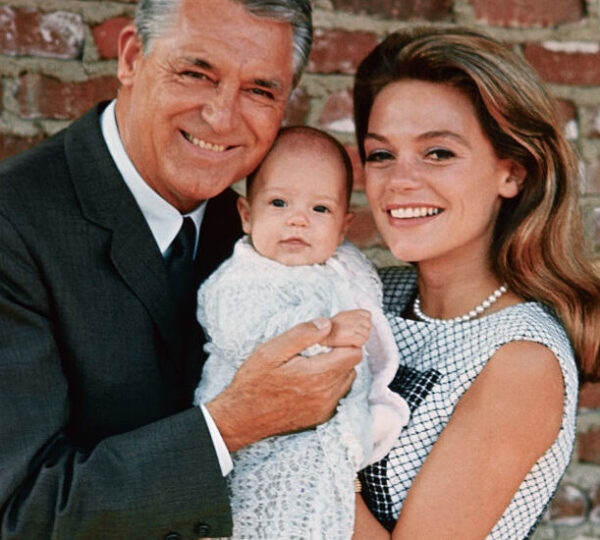
When they married in 1965, the age difference between them attracted considerable media attention. Cannon was 28 years old, while Grant was 61. Despite public curiosity surrounding their relationship, Cannon has often explained that her feelings for Grant were sincere and deeply personal. She later recalled loving him wholeheartedly and entering the marriage with genuine commitment. For a time, the couple appeared to represent Hollywood elegance at its finest, attending premieres, public events, and charity functions together while photographers eagerly documented their appearances.
Behind closed doors, however, Cannon later described a marriage that proved far more complicated than many outsiders realized. In interviews conducted years after their divorce, she explained that she gradually felt pressure to reshape various aspects of her identity. According to Cannon, Grant preferred that she step away from acting and adopt changes in her appearance, wardrobe, mannerisms, and daily habits. Wanting to make her husband happy, she tried to meet many of those expectations, believing compromise was part of building a successful marriage.
Over time, however, Cannon realized that constantly trying to become someone else’s idea of perfection came at a significant emotional cost. She has spoken openly about attempting to modify even small everyday behaviors, from the way she closed kitchen cabinets to how she drove a car or expressed herself in writing. Looking back years later, Cannon reflected that ignoring one’s authentic personality for too long can eventually lead to emotional exhaustion. She has often emphasized that healthy relationships should allow both people to remain true to themselves rather than feeling pressured to abandon their individuality.
After approximately three years of marriage, the couple divorced in 1968. Their separation generated extensive media coverage, partly because of Grant’s enormous international fame. Court records from the time included Cannon’s allegations that she had experienced cruel treatment during the marriage. Among the claims reported during the divorce proceedings were accusations concerning emotional strain, disagreements involving the use of LSD during the 1960s, and allegations of physical mistreatment, all of which became part of the highly publicized legal process. Grant consistently disputed many of the more serious allegations throughout his lifetime, and the details surrounding their marriage have remained the subject of discussion among biographers and historians for decades.
Although the marriage ended painfully, Cannon has repeatedly explained that she eventually chose gratitude over bitterness. Rather than allowing difficult experiences to define the rest of her life, she gradually focused on healing, personal growth, and rebuilding her own sense of identity. She has often said that while some memories remain difficult, other moments from their years together were genuinely meaningful. With the perspective that comes from time, Cannon came to believe that every chapter of her life—even the painful ones—contributed to shaping the woman she would eventually become.
Although her marriage to Cary Grant ended, one extraordinary blessing remained at the center of Dyan Cannon’s life: their daughter, Jennifer Grant. Born in 1966, Jennifer became Cary Grant’s only child, and both parents deeply loved her despite the challenges in their relationship. Cannon has often described motherhood as one of the greatest gifts she ever received, explaining that raising Jennifer brought purpose and joy during a period when many aspects of her personal life were changing. Even after the divorce, both parents worked to maintain a meaningful relationship with their daughter, recognizing that her well-being came before any differences they had experienced as a couple.
Throughout the following decades, Cannon continued building an impressive acting career while balancing the responsibilities of motherhood. She refused to allow personal setbacks to define her future and instead focused on professional growth and personal healing. She appeared in numerous successful films and television productions, earning respect not only as an actress but also as a writer, producer, and director. In an industry where many performers struggle to maintain long careers, Cannon successfully adapted to changing audiences and evolving entertainment trends while remaining active for decades.
When Cary Grant passed away in 1986 at the age of 82, worldwide media attention once again turned toward Cannon because of their highly publicized marriage. Shortly after his death, publishers reportedly approached her with lucrative offers to write a tell-all memoir revealing intimate details about their relationship. Such books often generated enormous public interest, particularly when they involved one of Hollywood’s greatest stars. Despite the financial incentives, Cannon declined the offers, believing that immediately publishing deeply personal stories following Grant’s death would not be appropriate.
Years later, however, another opportunity emerged under very different circumstances. Jacqueline Kennedy Onassis, who had become a respected book editor after her years as First Lady, encouraged Cannon to consider writing about her life. Rather than focusing exclusively on Cary Grant, Onassis believed Cannon’s broader life experiences could inspire readers. Cannon eventually agreed, but only after she felt emotionally prepared to revisit difficult memories. She wanted her memoir to explore love, personal identity, resilience, forgiveness, and emotional growth rather than simply recount celebrity gossip or private conflicts.
When discussing her autobiography, Cannon emphasized that the story was ultimately about relationships and the lessons people learn while searching for happiness. She explained that love can be beautiful, inspiring, and transformative, but it can also become complicated when individuals lose sight of their authentic selves. Looking back, she said that every experience—both joyful and painful—contributed to her understanding of who she truly was. Instead of writing from anger, she chose to write from reflection, hoping readers would recognize universal themes that extended far beyond Hollywood.
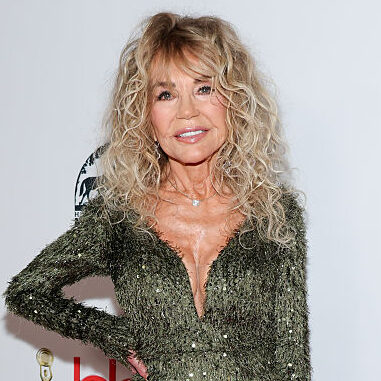
As the years passed, Cannon remained remarkably active, continuing to attend public events, charity functions, film screenings, and sports games well into her eighties. Fans frequently expressed admiration for her energy and enthusiasm, noting that she seemed to maintain a youthful curiosity about life. In an industry often focused on appearance, Cannon approached aging with honesty and confidence, understanding that growing older naturally brings physical changes for everyone. Rather than attempting to hide the passing of time, she appeared increasingly comfortable embracing each new chapter of her life.
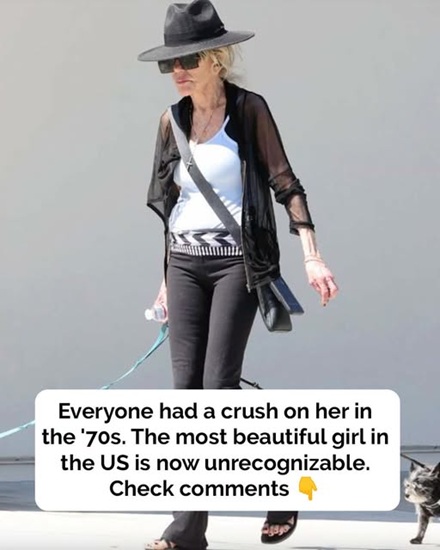
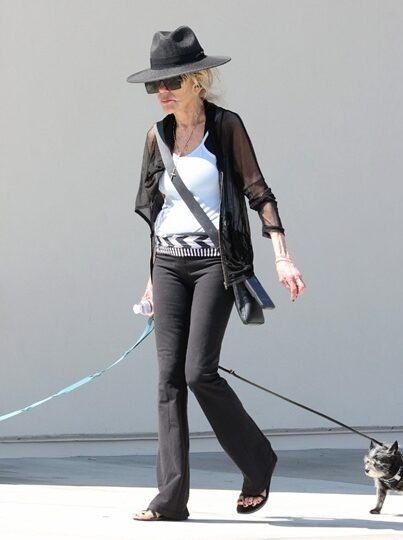
In 2023 and again in 2025, photographs of Cannon during public outings generated widespread discussion across social media platforms. Many admirers praised her for remaining active, independent, and elegant at an advanced age. Others, however, criticized her appearance and speculated about cosmetic procedures. The contrasting reactions reflected society’s continuing fascination with aging, particularly when it comes to actresses who were once celebrated as symbols of glamour and beauty. Cannon herself has rarely allowed public criticism to dictate how she lives her life, choosing instead to focus on health, family, and personal fulfillment.
One of the most significant sources of strength throughout Cannon’s later years has been her Christian faith. She has openly described herself as someone whose relationship with God became increasingly important after experiencing disappointment, heartbreak, and personal uncertainty. According to Cannon, prayer provided comfort during periods when many aspects of life seemed confusing or overwhelming. She has explained that faith gave her a foundation that remained steady regardless of changes in her career, relationships, or public image.
Rather than keeping her beliefs entirely private, Cannon has also chosen to serve others through practical acts of compassion. She has hosted monthly Bible study gatherings in her home, creating opportunities for fellowship and spiritual discussion among friends and guests. In addition, she has volunteered regularly with individuals recovering from addiction, offering encouragement, support, and hope to people working toward rebuilding their lives. For Cannon, faith has never been limited to personal reflection alone; she believes it should also inspire acts of kindness, service, and empathy toward others.
Looking back over more than six decades in entertainment, Cannon often speaks with gratitude rather than regret. She recognizes that fame brought remarkable opportunities but also unique pressures that few people fully understand. She experienced extraordinary professional success, personal heartbreak, public scrutiny, motherhood, artistic achievement, and spiritual growth. Each chapter, whether joyful or painful, contributed to the person she eventually became. Instead of defining herself by any single relationship or career accomplishment, she views her life as a collection of lessons that gradually shaped her character.
Her legacy extends well beyond the awards she received or the memorable performances she delivered on screen. She demonstrated resilience by continuing to pursue meaningful work after personal disappointment. She showed dignity by refusing to exploit private relationships for financial gain. She embraced personal growth by acknowledging mistakes while remaining open to learning from them. Most importantly, she proved that lasting happiness often comes not from fame or public recognition but from discovering inner peace, maintaining meaningful relationships, and remaining faithful to one’s deepest values.
Today, Dyan Cannon continues to be remembered as one of Hollywood’s most accomplished actresses and a woman whose life story reflects perseverance, courage, and hope. Her career earned critical acclaim, her performances continue to entertain new generations of audiences, and her willingness to speak honestly about both success and struggle has inspired countless admirers. Looking back on the many experiences that shaped her remarkable journey, Cannon has summarized her outlook with quiet optimism, saying that although happiness took time to find, she can now genuinely say she is content. Her story stands as a reminder that true fulfillment often comes from embracing authenticity, learning from life’s challenges, and never losing faith in the possibility of brighter days ahead.

