
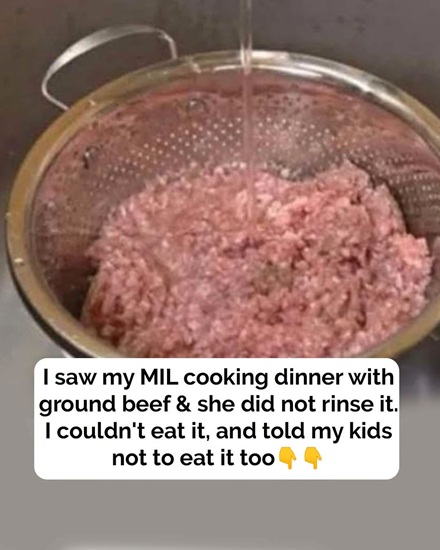
Cooking methods can vary widely from one household to another. Many kitchen habits are learned from parents or grandparents and are repeated for years without much thought. One practice that regularly creates debate is whether raw ground beef, also known as minced beef, should be washed before it goes into the pan. Some people consider rinsing meat an important preparation step, while others believe it is unnecessary. When food safety is the main concern, however, established guidance provides a clearer answer.
Some home cooks rinse raw ground beef because they believe water helps remove unwanted residue, excess fat or microorganisms. Others simply do it because that is how meat was prepared in their household growing up. The practice may therefore feel like an additional cleaning step. But rinsing raw ground beef with water does not make it safer to eat. Food-safety authorities instead emphasize proper handling and thorough cooking as the effective ways to reduce risks associated with raw meat.
One of the main concerns with washing raw meat is something known as cross-contamination. Running water can strike the meat and create tiny droplets that spread beyond the sink. Those droplets can carry microorganisms from raw meat onto nearby countertops, faucets, utensils, dishes and other foods. Because many droplets are too small to notice, a kitchen surface may become contaminated without anyone realizing it. Washing the meat can therefore move potential contamination around the kitchen instead of eliminating it.
The USDA’s Food Safety and Inspection Service advises against washing raw beef before cooking. Rather than relying on water, the important safety measure is reaching an appropriate internal cooking temperature. Ground beef should reach at least 160°F (71.1°C) internally. Using a food thermometer is the most dependable way to determine whether this temperature has been reached. Looking only at the color of the meat is less reliable because color does not always accurately indicate whether ground beef has reached a safe temperature.
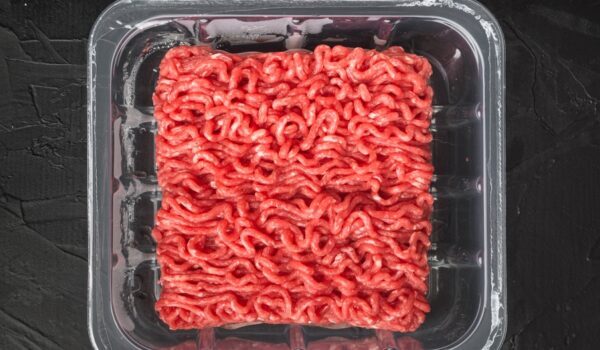
Ground beef deserves particular attention because of the way it is produced. With an intact piece of beef, microorganisms are generally associated primarily with its surface. Grinding changes that situation because material from the surface can become mixed throughout the product. For that reason, adequate cooking throughout the ground meat is particularly important. Rinsing the exterior cannot accomplish what thorough cooking does because water does not reliably remove microorganisms distributed throughout the meat.
Another common argument for rinsing ground beef concerns its fat content. Some people believe washing the meat will produce a leaner meal. However, consumers can choose among ground-beef products with different percentages of lean meat and fat before they begin cooking. Selecting a leaner product is one straightforward option for anyone who wants less fat. During cooking, rendered fat can also be drained from the pan when appropriate for the recipe.
Rinsing cooked ground beef is somewhat different from washing it while raw. Some cooks place browned ground beef in a strainer and use water in an effort to remove additional rendered fat. Although this does not present the same raw-meat splashing issue, it can affect the final dish. Removing fat may also remove some flavor, while adding water can influence texture, seasoning and moisture. Whether that is desirable depends largely on the recipe and individual preferences rather than being a requirement for food safety.
There is also a practical reason to pay attention to what happens to grease after cooking. Pouring substantial amounts of animal fat directly down a kitchen drain is generally a poor disposal method. Grease can cool, harden and accumulate inside pipes. Repeating the practice over time may contribute to restricted drainage or plumbing blockages. Excess cooking grease can instead be collected, cooled and discarded appropriately according to applicable local waste instructions.
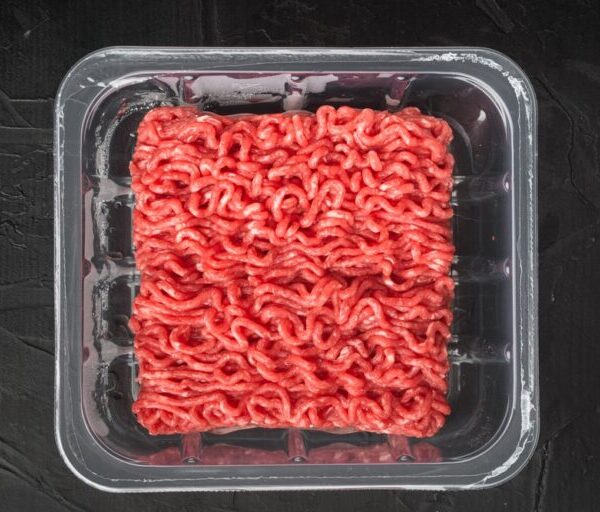
Good food safety extends far beyond deciding whether meat should be rinsed. Raw ground beef should remain refrigerated until it is needed and should be kept separate from ready-to-eat foods. After touching raw meat, hands should be thoroughly washed with soap and water. Utensils, cutting boards and dishes that have contacted raw beef should also be cleaned appropriately before being used again. These precautions help prevent microorganisms from being transferred from raw meat to foods that may not receive additional cooking.
The kitchen sink and surrounding preparation area also require attention. Raw-meat packaging and juices can contaminate surfaces they touch. Cleaning food-preparation areas after handling raw products reduces the possibility of transferring contamination elsewhere. It is equally important not to place cooked meat back onto an unwashed plate or surface that previously held it while raw. Using a clean plate for cooked food is an easy precaution that can prevent unnecessary cross-contamination.
Storage is another part of responsible food preparation. Cooked ground-beef dishes and other perishable foods should be refrigerated promptly rather than being left at room temperature for extended periods. Leftovers should be stored properly and reheated appropriately when they are served again. Food safety is therefore best viewed as a sequence of good practices extending from purchasing and refrigeration through preparation, cooking, serving and storage.
Personal cooking traditions can still have an important place in the kitchen. Different families may season, prepare and serve ground beef in countless ways, and those differences are part of what makes cooking personal. Food-safety recommendations, however, serve a different purpose. They are intended to reduce preventable risks. A practice being familiar or traditional does not necessarily mean it provides an additional safety benefit.
The key distinction is that washing raw ground beef is not necessary for food safety and is not recommended by USDA guidance. Proper cooking is what addresses microorganisms that may be present in the meat. Avoiding unnecessary splashing also reduces the possibility of spreading contamination around the kitchen. For someone who has always rinsed ground beef, understanding the reason behind the recommendation may be more useful than simply being told to change a familiar habit.
A practical approach is therefore relatively simple. Keep raw ground beef cold until preparation, avoid rinsing it, wash hands after handling it, clean contaminated utensils and surfaces, and cook the meat to an internal temperature of 160°F (71.1°C) measured with a food thermometer. Excess rendered grease can be drained after cooking and disposed of without pouring large quantities into the plumbing.
Ultimately, people will continue to have different preferences about recipes, seasonings and cooking techniques. Those differences do not need to become a disagreement over food safety. When it comes specifically to washing raw ground beef, current food-safety guidance favors skipping the rinse and focusing instead on careful handling, preventing cross-contamination and adequate cooking. That approach allows cooks to prepare ground beef in whichever recipe they enjoy while following evidence-based practices designed to make the kitchen safer.

