
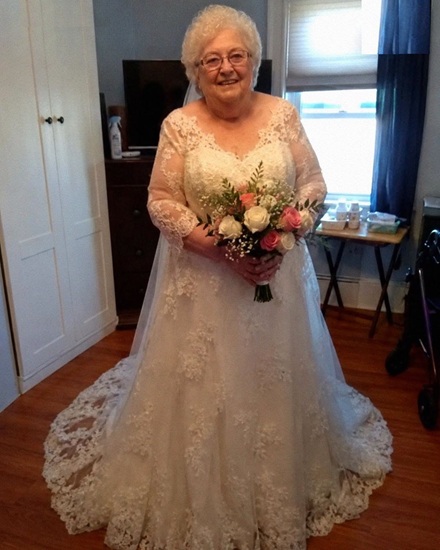
Some promises are spoken in youth with little expectation that they will ever be fulfilled. They become treasured memories, quietly tucked away as life carries people in different directions. Yet every so often, life offers an unexpected reunion that reminds us how powerful kindness, memory, and hope can be. This fictional story follows Eleanor and Garrett, two former high school sweethearts whose paths unexpectedly cross again after more than fifty years apart, proving that while time changes people, some feelings never completely disappear.
For many years, Eleanor had grown accustomed to a peaceful, predictable routine. Following the loss of her husband, she found comfort in familiar places and simple acts of service. She volunteered at church events, helped organize community food drives, baked desserts for charity fundraisers, and spent quiet evenings tending the small flower garden outside her home. Although grief never disappeared entirely, she gradually learned to live alongside it, finding comfort in meaningful routines and the friendships that surrounded her.
One spring weekend, the local church hosted its annual bake sale, filling the fellowship hall with homemade pies, fresh bread, cookies, and cheerful conversation. Volunteers moved between tables arranging baked goods while neighbors greeted one another after months apart. Eleanor had just finished arranging her lemon bars when she heard someone softly speak her name. The familiar voice seemed impossible, almost like a memory carried through the room by coincidence rather than reality.
When she turned around, she saw Garrett standing only a few feet away. Time had added silver hair and gentle lines to his face, but his warm smile remained instantly recognizable. They stared at each other for a moment before laughter replaced surprise. Decades seemed to disappear as they exchanged stories, recalling school dances, football games, shared classes, and youthful dreams that had once felt limitless. It was the kind of reunion neither of them had expected but both immediately appreciated.
Over coffee at a nearby diner, they gradually filled in the missing chapters of their lives. Garrett spoke warmly about his late wife and the family they had built together, while Eleanor shared memories of her own marriage and the quiet years that followed after becoming widowed. Neither tried to erase the past or replace the people they had loved. Instead, they honored those memories while discovering that friendship could still grow from the foundation they had built many years earlier.
What began as an occasional conversation slowly became part of their weekly routine. Every Tuesday afternoon they met at the same corner booth, ordered familiar meals, and talked for hours. Their conversations ranged from childhood memories and favorite books to gardening, community events, and the surprising ways life often unfolds. There was no urgency to define the relationship. Instead, they simply enjoyed each other’s company, appreciating the comfort that comes from being fully understood by someone who remembers where your story began.
As the seasons changed, those weekly meetings became one of the brightest parts of Eleanor’s life. Friends at church noticed that she smiled more often, laughed more freely, and carried herself with renewed confidence. Garrett, too, seemed lighter than he had in years. Together they discovered that companionship later in life does not require grand adventures. Sometimes happiness is found in shared conversations, familiar routines, and quiet afternoons spent appreciating one another’s presence.
Eventually, Garrett asked Eleanor if she would consider sharing the rest of their journey together. The proposal was simple, sincere, and deeply personal. Rather than focusing on material things or elaborate celebrations, he spoke about gratitude, friendship, and the rare opportunity life had given them to reconnect. Eleanor accepted because she recognized the same kindness and sincerity that had first drawn her to him decades earlier. Their engagement represented not a return to the past, but the beginning of a completely new chapter built upon mutual respect and shared experience.
Not everyone welcomed the marriage with equal enthusiasm. Garrett’s adult children found the sudden change difficult to accept, particularly because it followed many years of remembering their late mother. Family transitions after the loss of a loved one can be emotionally complex, and every person processes grief differently. Although everyone remained outwardly polite, Eleanor sensed an emotional distance that could not be ignored. She responded with patience, hoping that time and understanding would gradually build trust between them.
After the wedding, Eleanor focused on creating a peaceful home together. She respected family traditions, avoided replacing meaningful keepsakes, and encouraged Garrett to maintain close relationships with his children. She understood that becoming part of an established family required sensitivity and patience. Rather than expecting immediate acceptance, she chose to let her actions demonstrate kindness, believing that genuine relationships develop gradually through everyday interactions rather than through words alone.
Despite her efforts, subtle tension occasionally surfaced during family gatherings. Differences in perspective, lingering emotions, and unspoken concerns sometimes created uncomfortable moments around the dinner table. Garrett consistently encouraged respectful communication and reminded everyone that compassion strengthens families far more effectively than conflict. Eleanor chose not to respond defensively, believing that dignity often speaks most clearly through calmness, even during challenging situations.
Looking back, those early months together became some of Eleanor’s happiest memories. She appreciated the simple routines they built—morning coffee on the porch, evening walks through the neighborhood, and conversations that stretched long after dinner. Although neither of them could predict what the future would bring, they cherished the opportunity to create new memories while honoring the lives they had lived before finding one another again. It was a reminder that love, friendship, and hope can sometimes arrive long after people believe their greatest chapters have already been written.
Life has a way of changing without warning, and even the happiest seasons can suddenly be interrupted by unexpected loss. In this fictional story, Eleanor’s time with Garrett proved shorter than either of them had imagined. Although they had found one another again after many decades apart, they remained grateful for every ordinary day they were able to share. Morning conversations over coffee, evening walks through the garden, and quiet moments spent reading together became memories that Eleanor would later treasure far more than any material possession.
When Garrett unexpectedly passed away, Eleanor found herself facing another period of profound grief. Losing someone she had only recently been reunited with was emotionally overwhelming, particularly because their renewed relationship had represented hope after years of loneliness. During times of loss, people often experience a mixture of sadness, gratitude, confusion, and uncertainty. Eleanor reminded herself that grief reflects the depth of love people share, and although painful, it also honors the meaningful relationships that shape our lives.
The days following the funeral brought additional challenges as family members worked through legal matters and personal emotions. Situations involving estates, inheritances, and family property can become complicated, especially when relatives hold different expectations or interpretations of long-standing arrangements. Throughout the process, Eleanor chose to remain respectful, allowing legal professionals to manage the necessary procedures while avoiding unnecessary conflict. She believed that preserving dignity would ultimately matter far more than winning arguments during an emotionally difficult time.
After temporarily moving into a modest home that had once belonged to her late sister, Eleanor slowly rebuilt a peaceful daily routine. The house was small and simple, yet it offered familiarity during a season filled with uncertainty. She spent mornings tending flowers, afternoons volunteering in her community, and evenings reading beside the window where sunlight lingered before sunset. These ordinary routines helped restore a sense of stability while reminding her that healing often begins with small, consistent steps rather than dramatic changes.
The kindness of neighbors also played an important role in her recovery. Without asking intrusive questions, they offered practical assistance, homemade meals, friendly conversations, and quiet companionship whenever she welcomed it. Their thoughtfulness demonstrated that compassion is often expressed through simple actions rather than elaborate gestures. A warm meal, a listening ear, or an unexpected visit can provide meaningful comfort to someone navigating loss, even when no words seem adequate.
Some time later, Eleanor received communication from the attorney responsible for administering Garrett’s estate. The attorney explained that Garrett had carefully prepared legal documents intended to provide clarity regarding his wishes while respecting everyone involved. Rather than focusing on conflict, the discussion centered on ensuring that his plans would be carried out according to applicable legal procedures. Eleanor appreciated the professionalism with which everything was handled and found comfort in knowing that Garrett had approached these decisions thoughtfully and responsibly.
Among the personal items made available to Eleanor were several meaningful keepsakes connected to their shared history. Family photographs, handwritten notes, and small mementos reminded her not of material value but of the experiences they had enjoyed together. One particularly treasured item recalled a promise made many years earlier during their youth, symbolizing the enduring affection that had reunited them after decades apart. These sentimental belongings became lasting reminders that relationships are often defined more by shared memories than by possessions.
As time passed, Eleanor gradually embraced a new chapter of life. She developed friendships within her community, continued volunteering, expanded her garden, and discovered joy in everyday moments that once seemed impossible during the darkest days of grief. While she continued remembering Garrett with affection, she also recognized that honoring someone’s memory includes living with gratitude rather than remaining permanently defined by sorrow. Healing did not mean forgetting; it meant learning to carry cherished memories forward while continuing to grow.
Looking back, Eleanor realized that the greatest gift Garrett had left behind was not financial security or treasured possessions, but the confidence to believe that hope can return even after profound loss. Their reunion reminded her that meaningful relationships may appear unexpectedly, that kindness remains valuable at every stage of life, and that love expressed with sincerity continues influencing people long after circumstances change. Those lessons became part of the legacy she carried into every new day.
Ultimately, this fictional story illustrates timeless themes of resilience, forgiveness, family, and second chances. While life rarely unfolds exactly as planned, compassion, integrity, and patience often provide the strongest foundation for moving forward. Eleanor’s journey reminds readers that true wealth is measured not only by what people own but by the relationships they build, the kindness they extend to others, and the memories they create through lives lived with generosity and grace.

