
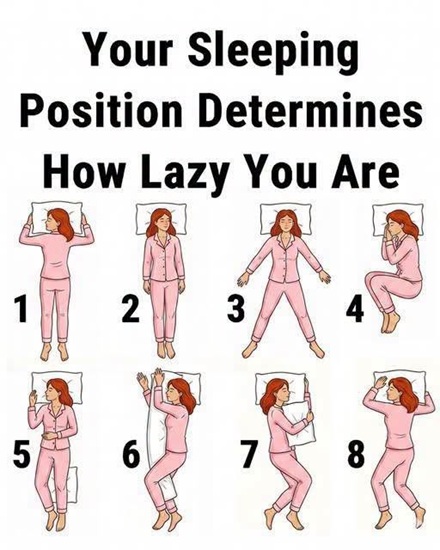
Sleeping position has fascinated researchers, healthcare professionals, and the general public for many years. It is common to see articles claiming that the way a person sleeps can reveal everything from personality traits to work ethic or even hidden psychological characteristics. However, current scientific evidence does not support the idea that a specific sleeping position can accurately determine whether someone is lazy, hardworking, outgoing, or emotionally reserved.
Instead, sleep posture is influenced by many practical factors, including comfort, body shape, existing health conditions, injuries, age, pregnancy, breathing patterns, and personal habits developed over time. Sleep specialists generally agree that people naturally change positions several times during the night, often without remembering it the following morning. Because of these frequent movements, assigning a person’s character or motivation to a single sleeping posture would be an oversimplification.
While some studies have explored possible links between sleeping positions and certain health conditions, researchers have not established reliable evidence showing that sleeping posture predicts personality, intelligence, ambition, or productivity. For that reason, claims suggesting that one position reveals “how lazy you really are” should be treated as entertainment rather than scientific fact.
One of the most common sleeping positions is lying on the back. Many people find this posture comfortable because it distributes body weight relatively evenly across the mattress. Health professionals often note that back sleeping may help keep the head, neck, and spine in a more neutral alignment when adequate pillow support is used. Some individuals also report waking with less pressure on their shoulders and hips after sleeping on their backs. However, back sleeping is not ideal for everyone, as it may worsen snoring or obstructive sleep apnea in certain people. Whether someone prefers this position says far more about physical comfort than about their personality or work habits.
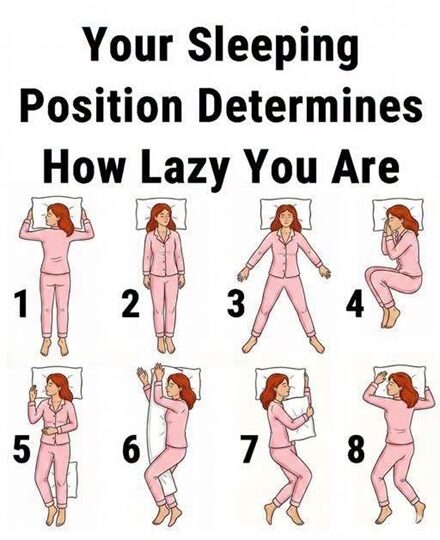
Some back sleepers naturally rest with their arms raised above their heads or beside their pillows. Others keep their arms relaxed alongside their bodies. Although these positions are sometimes given creative names in popular articles, there is no scientific evidence demonstrating that arm placement reflects motivation, confidence, or emotional characteristics. Most sleep experts believe these differences are simply natural variations in how individual muscles relax during sleep. Factors such as mattress firmness, pillow height, shoulder flexibility, and previous injuries often have a greater influence than psychological traits.
Side sleeping is considered one of the most common sleep positions worldwide. Many healthcare providers recommend side sleeping for certain individuals because it may reduce snoring and can improve airflow for some people with sleep-disordered breathing. During pregnancy, physicians often recommend sleeping on the side, particularly later in pregnancy, because it can support healthy circulation. Many people also find side sleeping comfortable because it reduces pressure on the lower back compared with other positions. These benefits are based on physical health considerations rather than assumptions about personality.
Within side sleeping, there are many natural variations. Some people keep their legs mostly straight, while others bend their knees slightly or curl into a looser fetal position. The degree of curling usually reflects comfort rather than emotional characteristics. Researchers have not established that sleeping in a fetal position means someone is shy, anxious, or protective. Instead, people often adopt positions that relieve muscle tension, reduce joint discomfort, or simply feel most relaxing after a long day. Individual sleeping habits also change throughout life as health needs and comfort preferences evolve.
Another familiar posture involves sleeping on the stomach. Although many people find this position comfortable, some healthcare professionals note that stomach sleeping may place additional strain on the neck because the head must remain turned to one side for extended periods. It can also increase pressure on the lower back for some individuals. At the same time, every person’s body is different, and some stomach sleepers report sleeping soundly without discomfort. Choosing this position does not indicate laziness, low motivation, or any particular personality type; it is simply one of several ways people naturally rest.
Many people also sleep while hugging a pillow or placing one between their knees. Physical therapists and sleep specialists often explain that additional pillows can provide extra support for the hips, knees, shoulders, or lower back. Side sleepers frequently use body pillows to maintain comfortable spinal alignment throughout the night, while others hug pillows because it simply feels comfortable and relaxing. These habits are practical responses to physical comfort rather than reliable indicators of emotional needs or behavioral tendencies.
Sleep researchers emphasize that obtaining enough high-quality sleep is far more important than attempting to interpret personality through sleeping positions. Adults generally benefit from maintaining a consistent bedtime, creating a comfortable sleep environment, limiting caffeine late in the day when appropriate, and reducing exposure to bright screens before bedtime. Good sleep hygiene contributes to better concentration, memory, mood, and overall health far more than any particular sleeping posture alone.
Ultimately, every person’s preferred sleeping position is unique. Comfort, health conditions, age, and individual anatomy all play important roles in determining how someone naturally sleeps. While quizzes and viral articles about sleeping positions can be enjoyable to read, they should not be mistaken for scientifically established facts. Current evidence does not support judging someone’s ambition, work ethic, personality, or character based solely on how they sleep. Instead, healthy sleep should be viewed as an important foundation for physical and mental well-being, regardless of the position someone finds most comfortable.
Understanding sleep involves much more than identifying a preferred sleeping position. Researchers who study sleep emphasize that overall sleep quality, sleep duration, and consistency are generally far more important to health than whether a person sleeps on their back, side, or stomach. During a typical night, most people naturally change positions multiple times without becoming fully awake. These movements help relieve pressure on different parts of the body, improve circulation, and allow muscles and joints to remain comfortable throughout the night. Because sleeping posture changes so frequently, experts caution against drawing broad conclusions about personality or behavior based on a single position.
Comfort is one of the strongest factors influencing how people sleep. A person’s preferred position may be affected by the type of mattress they use, the firmness of their pillow, room temperature, body size, previous injuries, or chronic medical conditions. Someone who sleeps on their side one year may gradually begin sleeping on their back or stomach if their physical needs change. Likewise, athletes, pregnant individuals, and older adults often adjust their sleeping positions over time based on comfort and medical recommendations rather than personal preference alone.
Sleep medicine specialists also point out that there is no scientific evidence demonstrating that a particular sleeping position predicts whether someone is hardworking, ambitious, organized, or unmotivated. Personality is shaped by many biological, psychological, social, and environmental influences. While popular articles often present entertaining descriptions of different sleeping styles, these should be viewed as lighthearted content rather than established scientific conclusions. Current research simply does not support assigning personality traits or work habits based solely on how someone sleeps.
One area where sleeping position can make a difference is physical health. For example, some people with obstructive sleep apnea or frequent snoring may benefit from sleeping on their side because this position can help reduce airway obstruction during sleep. Healthcare providers may also recommend side sleeping during pregnancy, particularly during later stages, because it can support healthy circulation. Conversely, individuals with certain shoulder, hip, or spinal conditions may receive different recommendations depending on their specific medical needs. These decisions are based on clinical evidence and individual circumstances rather than personality theories.
Back sleeping may be comfortable for many individuals because it allows the spine to rest in a relatively neutral position when supported by an appropriate pillow and mattress. However, it is not universally recommended for everyone. People who experience persistent snoring, certain breathing disorders, or specific sleep-related conditions may be advised by healthcare professionals to explore alternative sleeping positions. This illustrates why sleep recommendations should always be personalized rather than based on generalized assumptions or internet trends.
People who prefer stomach sleeping often do so because they simply find it relaxing or familiar. Nevertheless, healthcare professionals sometimes note that stomach sleeping may place additional strain on the neck due to prolonged head rotation and may increase pressure on the lower back in some individuals. Those who wake with neck or back discomfort may benefit from discussing their sleep posture with a healthcare provider or physical therapist, who can recommend supportive pillows, mattress adjustments, or alternative positions if appropriate.
Another important aspect of healthy sleep involves maintaining good sleep hygiene. Experts generally recommend establishing a consistent bedtime and wake-up schedule, creating a quiet and comfortable sleeping environment, limiting caffeine later in the day when appropriate, and reducing exposure to bright electronic screens before bedtime. Regular physical activity, balanced nutrition, and effective stress management can also contribute to improved sleep quality. These evidence-based habits have been studied extensively and are supported by a substantial body of scientific research.
It is equally important to remember that sleep needs vary from person to person. While many healthy adults benefit from approximately seven to nine hours of sleep each night, individual requirements can differ depending on age, health status, lifestyle, and other personal factors. Some people naturally feel well-rested with slightly less sleep, while others require additional rest to function at their best. Listening to your body’s signals and consulting a qualified healthcare professional about persistent sleep concerns is generally more valuable than relying on generalized personality quizzes.
The popularity of articles about sleeping positions reflects people’s natural curiosity about themselves. Many readers enjoy comparing their habits with friends and family members, and these discussions can be entertaining. However, distinguishing between scientifically supported information and speculative claims is essential. Responsible health information should accurately reflect current evidence, acknowledge uncertainties where they exist, and avoid presenting unverified theories as established facts. This approach helps readers make informed decisions while reducing the spread of misinformation.
Ultimately, your preferred sleeping position is simply one part of your overall sleep habits. It may influence comfort, affect certain health conditions, or change over time as your body and lifestyle evolve. What it cannot reliably do is reveal your intelligence, ambition, personality, emotional strengths, or work ethic. Those qualities develop through a wide range of life experiences and cannot be determined by how someone rests at night. By focusing on healthy sleep habits, maintaining a consistent routine, and seeking professional advice when necessary, people can support better physical and mental well-being regardless of the position they choose for a good night’s sleep.
As scientific understanding of sleep continues to evolve, researchers are learning more about the complex relationship between sleep quality, brain function, emotional health, and overall wellness. While many interesting questions remain under investigation, current evidence consistently supports one conclusion: getting sufficient, restorative sleep is far more important than trying to interpret personality through sleeping posture. A comfortable sleeping position that allows you to rest well, combined with healthy daily habits, remains one of the most effective ways to promote long-term health and improve quality of life.

