
Head lice are a very common issue among school-aged children, and for many parents, dealing with them can be both stressful and time-consuming. Although they are not dangerous from a medical point of view, lice infestations often cause discomfort, itching, and frustration in everyday family life. Because they spread quickly in group settings, they frequently become a recurring concern in schools and households.
The problem is often noticed more after school holidays or breaks, when children return to classrooms and spend more time in close contact with each other. These environments naturally create conditions where head lice can spread more easily from one child to another. Since children interact closely during play and learning activities, transmission can sometimes happen before anyone even realizes an infestation has started.
In most cases, the first sign of head lice is itching on the scalp. However, this symptom does not always appear immediately, which can make early detection more difficult. By the time itching begins, lice may already have been present for some time, which is why regular checks are often recommended by health professionals and schools.
Understanding how head lice spread is important for preventing unnecessary panic or misunderstandings. Head lice do not jump or fly, and they do not live on pets. Instead, they move from one person to another through direct head-to-head contact. This is why children are more commonly affected, especially in environments where they play closely together or share personal space.
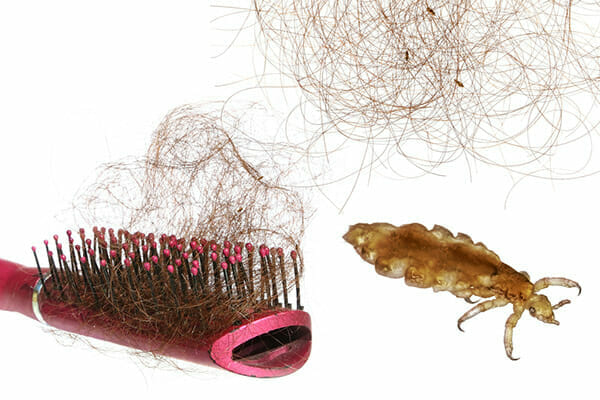
There are many misconceptions about lice transmission. People often assume they spread easily through hats, pillows, or hairbrushes. While this is possible in rare cases, most research shows that indirect spread through objects is far less common. Head lice depend on human warmth and blood to survive, and they cannot live long away from the scalp.
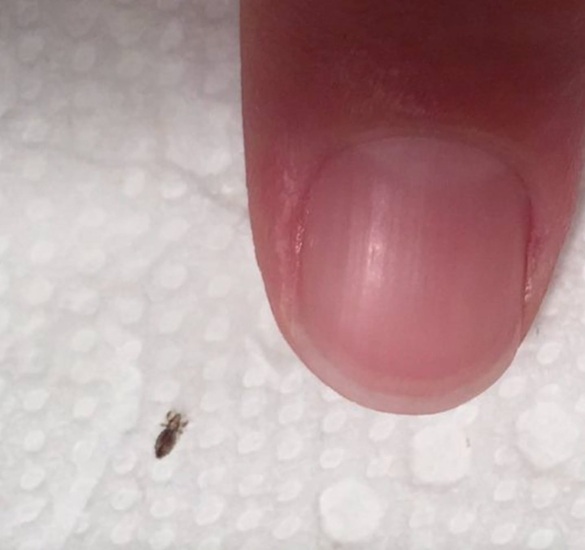
Detecting head lice usually requires careful inspection of the hair and scalp. The insects themselves are very small, typically just a few millimeters long, and can be difficult to see at first glance. They are usually grayish or light brown and move quickly through the hair. One of the most reliable ways to check for lice is by using a fine-toothed lice comb on damp hair, which helps reveal both lice and eggs.
Lice eggs, commonly known as nits, are often attached tightly to individual hair strands close to the scalp. These eggs may appear white, yellow, or darker depending on their stage of development. Unlike dandruff or dust, they do not easily fall off when the hair is touched or brushed, which makes them easier to distinguish during inspection.
Health guidelines generally recommend confirming the presence of live lice before starting treatment. This is because empty eggs can remain attached to hair even after the infestation has been cleared. Regular combing over several days is often suggested as a method to both detect and remove lice effectively.
When treatment is needed, there are several safe and widely used options available. Over-the-counter lice treatments, such as medicated shampoos and lotions, are commonly used to eliminate live lice. These products may need to be applied more than once to ensure that newly hatched lice are also removed, depending on the product instructions.
Another commonly recommended method is wet combing, which involves washing the hair and carefully using a lice comb to remove lice and eggs. Although this method requires patience and consistency, it is considered an effective non-chemical approach when done thoroughly over time. Many families combine this method with medicated treatments for better results.
Cleaning the home environment can also help reduce the chance of reinfestation. Washing bedding, pillowcases, towels, and recently worn clothing in hot water is usually sufficient. However, extensive cleaning of furniture or entire living spaces is generally not necessary, as lice cannot survive for long periods away from the human scalp.
Preventing head lice is not always easy, but certain habits can help reduce the risk. Encouraging children to avoid direct head-to-head contact during play or group activities is one practical step. Regular scalp checks, especially during school terms, can also help detect lice early before they spread further within a family or classroom.
It is also important to understand that head lice are not related to poor hygiene. They can affect anyone regardless of cleanliness, hair type, or living conditions. Because of this, avoiding stigma and focusing on proper treatment and prevention is important for both children and parents.
Overall, head lice are a common but manageable condition. While they can cause inconvenience and discomfort, they are treatable with proper care and attention. With early detection, consistent treatment, and good preventive habits, families can successfully control and reduce the spread of lice in everyday life.

