

Freddie Mercury is widely regarded as one of the most influential and iconic performers in the history of rock music. His legacy continues to shape global music culture decades after his death.
Born Farrokh Bulsara in 1946 in Zanzibar, then part of the British Empire, he later became a global superstar after moving with his family through political unrest and eventually settling in the United Kingdom.
His early life was shaped by cultural transition and relocation. As a child, he spent time in India, where he attended St. Peter’s School in Panchgani, a British-style boarding school that influenced his early education and independence.
During his school years, he developed interests in music, art, and performance. He learned piano at a young age and showed early talent that would later become central to his career as a performer.
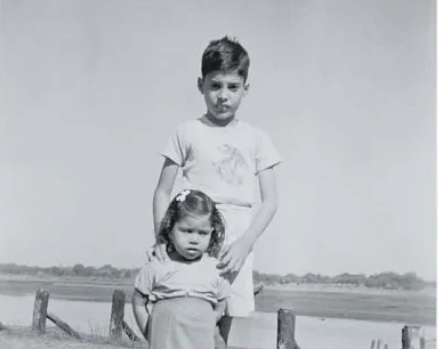
Freddie’s family was not wealthy by Western standards, but they were stable and supportive of education. His father worked for the British colonial administration, which influenced their mobility during his childhood.
He experienced separation from his parents while attending boarding school, a common practice in British colonial-era education systems. This experience contributed to his sense of independence and emotional depth.
After political unrest in Zanzibar during the 1964 revolution, his family relocated to England, settling in London. This move marked a turning point in his life and future career path.
In London, he studied graphic design at Ealing Art College, graduating in 1969. During this time, he became increasingly involved in music and the emerging rock scene of the late 1960s.
He worked various jobs, including at Heathrow Airport, while pursuing music ambitions. Friends described him as shy in private but highly expressive and confident when performing on stage.
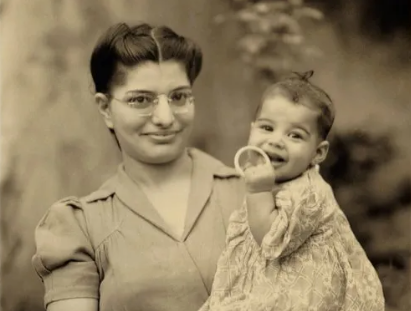
Freddie joined several local bands before connecting with guitarist Brian May and drummer Roger Taylor, who were part of a band called Smile. His enthusiasm and creative vision quickly set him apart.
After the original lead singer left Smile, Freddie joined the group in 1970. He suggested the name Queen, reflecting his interest in theatricality, identity, and bold artistic expression.
The band later added bassist John Deacon, completing the classic lineup. Queen would go on to become one of the most successful rock bands in history, known for their genre-defying sound.
Freddie Mercury adopted his stage name during this period. His transformation from Farrokh Bulsara to Freddie Mercury symbolized his artistic reinvention and commitment to performance as identity.
Queen’s breakthrough came in the 1970s with albums that showcased their innovative approach to rock music. Their blend of opera, pop, and hard rock set them apart from other bands of the era.
Some of Queen’s most famous songs include “Bohemian Rhapsody,” “We Are the Champions,” “Somebody to Love,” “Killer Queen,” and “Don’t Stop Me Now,” all of which remain globally recognized.
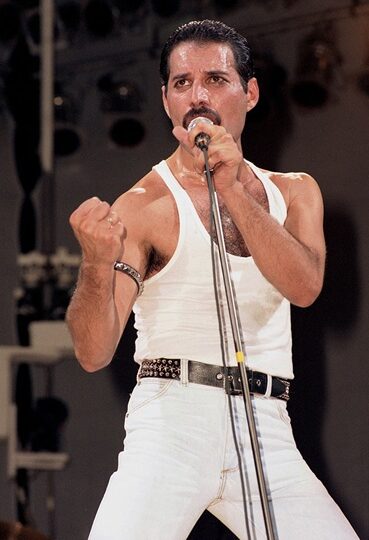
Freddie was known for his extraordinary vocal range, dynamic stage presence, and ability to engage massive audiences. His performances became legendary, especially during live concerts.
One of Queen’s most iconic moments was their performance at Live Aid in 1985. The event is often cited as one of the greatest live performances in rock history.
Beyond Queen, Freddie Mercury also pursued solo projects and collaborations with other artists. His versatility allowed him to explore different musical styles outside the band.
Despite his public fame, Freddie was known to be private about his personal life. He maintained close relationships with a small circle of friends and collaborators throughout his career.
In 1987, Freddie Mercury was diagnosed with HIV. He continued to work and record music while keeping his condition private for several years.
He officially confirmed his illness publicly on November 23, 1991, just one day before his death. This announcement brought global attention to the AIDS crisis at the time.
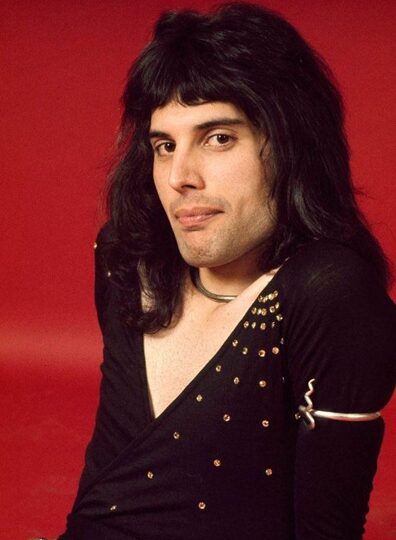
Freddie Mercury died on November 24, 1991, at the age of 45, due to complications related to AIDS. His passing was mourned worldwide and marked a major moment in music history.
Following his death, Queen and other artists honored him through tribute performances, including the Freddie Mercury Tribute Concert held in 1992 at Wembley Stadium.
His estate was primarily inherited by his close friend Mary Austin, along with other family members and beneficiaries. Queen’s music catalog continues to generate global royalties.
At the time of his death, his estimated net worth was believed to be between 30 and 50 million US dollars, largely derived from music royalties, performances, and publishing rights.
Freddie Mercury’s influence remains deeply embedded in modern music. He is remembered not only as a singer, but as a cultural icon who redefined performance and artistic freedom.

