
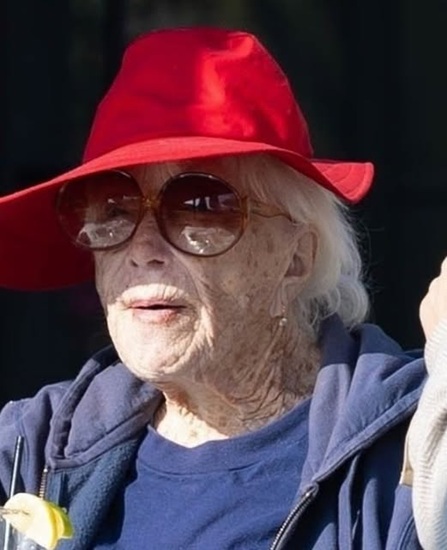
Shirley MacLaine is an American actress, dancer, and author whose career spans more than seven decades in film, television, and stage performance. Born in 1934, she became one of Hollywood’s most recognizable and enduring performers.
She was born Shirley MacLean Beaty in Richmond, Virginia, and grew up in a creative household that encouraged performance, discipline, and artistic expression from an early age in the United States.
From childhood, she studied ballet intensively, developing strong technical training and stage confidence that would later influence her expressive acting style and physical presence in Hollywood productions.
Her early dedication to dance led her to New York City, where she pursued professional opportunities in theater and Broadway, performing in musicals and building foundational experience in live stage entertainment.
A major turning point came when she joined Broadway productions, where her talent and charisma caught the attention of film industry professionals seeking fresh and dynamic screen performers.
Her film debut came in Alfred Hitchcock’s comedy thriller The Trouble with Harry (1955), marking the beginning of a long and successful Hollywood career.
In the years that followed, she quickly became known for her expressive acting, comedic timing, and ability to portray emotionally complex female characters with authenticity and depth.
During the late 1950s and early 1960s, she appeared in several major films that established her as a leading actress in American cinema and an international screen presence.
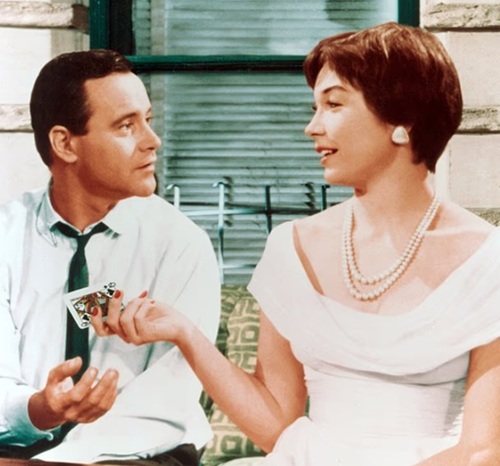
One of her most recognized performances came in The Apartment (1960), a critically acclaimed film that remains an important classic in Hollywood storytelling and ensemble acting.
She continued to expand her reputation with diverse roles, including the musical comedy Irma la Douce (1963), showcasing her versatility in both dramatic and comedic performance styles.
Throughout the 1960s and 1970s, she maintained a steady presence in film, selecting roles that reflected both mainstream appeal and deeper emotional storytelling challenges for actors.
Her acting style often combined naturalism with theatrical expressiveness, a reflection of her early ballet training and her experience in live stage performance environments.
By the 1980s, she had already established herself as a respected veteran actress in Hollywood, known for her professionalism and ability to lead major motion pictures.
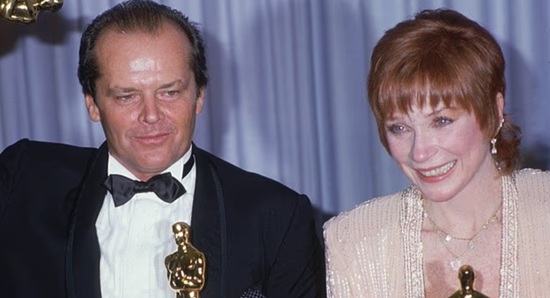
A defining moment in her career came with Terms of Endearment (1983), a dramatic film that earned widespread critical acclaim and significant awards recognition.
For her performance in that film, she received the Academy Award for Best Actress, solidifying her legacy as one of the most accomplished performers of her generation.
Beyond acting, she has also been known for her interest in writing, spirituality, and philosophical exploration, publishing several books reflecting on life, consciousness, and personal growth.
Her literary work has contributed to her public image as a reflective and introspective artist who explores meaning beyond the entertainment industry.
In addition to film and writing, she has occasionally appeared in television projects, maintaining relevance across multiple entertainment mediums throughout changing decades.
In recent years, she appeared in the popular television series Only Murders in the Building (2022), introducing her work to a new generation of viewers.
Her role in the series was widely discussed as part of a broader trend of legendary actors returning to contemporary streaming productions with renewed audience interest.
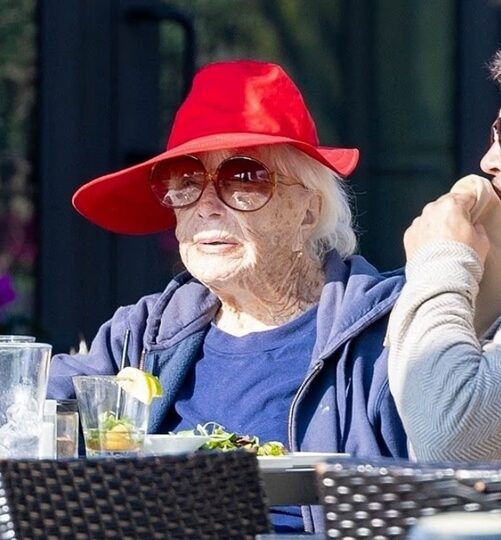
Even in later life, she has remained active in public appearances and interviews, often reflecting on longevity, creativity, and maintaining a healthy lifestyle over time.
Much of her vitality is frequently attributed to her lifelong commitment to movement, especially dance, which she practiced consistently for many years as part of her discipline.
She has spoken in various contexts about the importance of physical activity, artistic expression, and maintaining curiosity as essential elements of aging with energy and purpose.
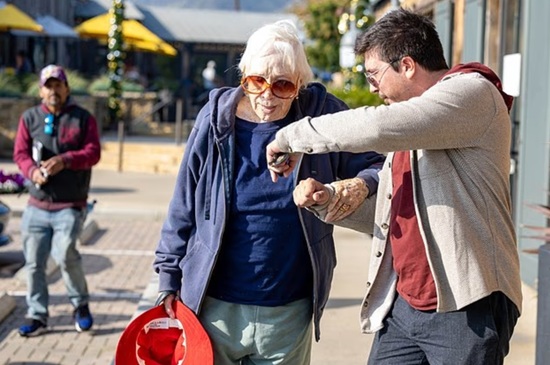
Her approach to life is often described as independent and unconventional, reflecting a willingness to challenge norms both in Hollywood and in personal philosophy.
Over the decades, she has become widely respected not only for her film achievements but also for her individuality and refusal to conform to rigid industry expectations.
Her personality in interviews is often characterized by humor, candor, and a reflective attitude toward fame, aging, and artistic legacy.
She has maintained a strong public image as someone who values personal freedom, creativity, and self-expression over traditional celebrity conventions.
Despite evolving entertainment trends, her legacy remains firmly rooted in classic Hollywood cinema and its golden era of storytelling.
Film historians often highlight her ability to transition across genres, including comedy, drama, romance, and musical film, without losing authenticity.
Her collaborations with major directors and actors across multiple decades helped shape her reputation as a reliable and compelling screen presence.
She is frequently referenced as part of a generation of actors who helped define mid-20th-century American cinema and its global cultural influence.
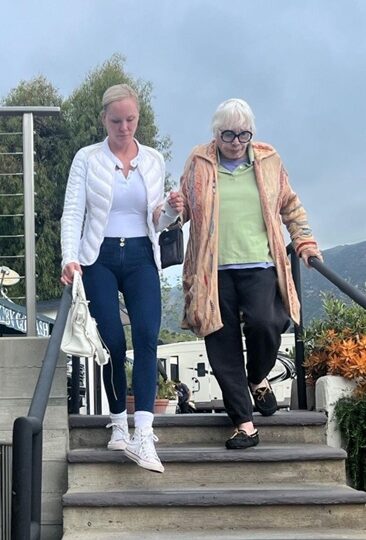
Her career longevity is often studied as an example of sustained artistic relevance in an industry known for rapid change and competition.
In interviews, she has expressed gratitude for her career opportunities and the ability to continue engaging with creative work over many decades.
Her influence extends beyond film, as she has inspired audiences interested in dance, wellness, and personal development through her public reflections.
Many admirers appreciate her ability to remain active and visible in the entertainment world while aging naturally and continuing to take on meaningful roles.
Her life story is often viewed as a combination of artistic discipline, personal exploration, and long-term dedication to performance as a craft.
She remains an iconic figure in Hollywood history, representing both the classical studio era and the modern evolution of film and television storytelling.
Today, she continues to be recognized as a living legend whose work spans generations and continues to influence actors and filmmakers worldwide.
Her legacy is defined not only by awards and performances but also by her distinctive personality and enduring commitment to artistic expression.
As a cultural figure, she stands as a symbol of longevity in entertainment, demonstrating how creativity and passion can sustain a career across decades.
Her contributions to cinema remain part of film study curricula and retrospectives that examine the evolution of female lead roles in Hollywood history.
She is often celebrated for portraying strong, complex women at times when such roles were less common in mainstream film production.
Her impact on audiences continues through reruns, streaming platforms, and renewed interest in classic Hollywood cinema from global viewers.
Even as entertainment evolves, her body of work continues to be rediscovered and appreciated by new audiences who value classic storytelling.
She represents a bridge between old Hollywood traditions and modern media landscapes, maintaining relevance through timeless performances.
Her career serves as an example of artistic endurance, adaptability, and the long-term value of consistent dedication to craft.
Across film, television, literature, and public life, Shirley MacLaine remains a respected and influential figure whose legacy continues to grow.

