
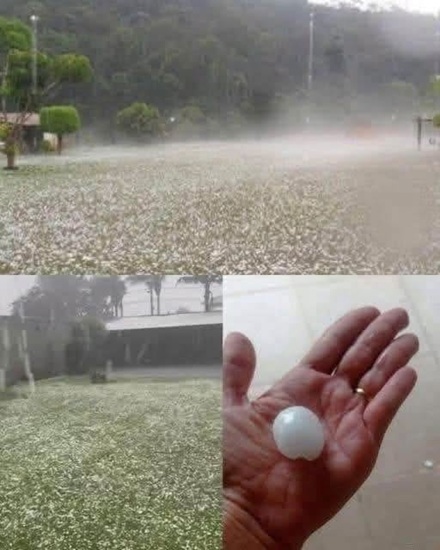
A strong hailstorm that struck on a Tuesday evening left many residents across affected areas evaluating the extent of damage caused by severe weather conditions. Large hailstones impacted vehicles, rooftops, outdoor spaces, and various properties, resulting in visible damage in multiple locations. As the storm moved through, its intensity made it clear that the event had caused disruption within a short period of time. After the storm passed, residents stepped outside to assess the situation.
Many reported unusual conditions for the time of year, with streets, driveways, and gardens covered in thick layers of hail. The sudden change in environment demonstrated how quickly severe weather can transform familiar surroundings and create potentially hazardous conditions. For many households, the evening quickly shifted from normal daily activity to focusing on safety and protection.
Hailstorms often form during powerful thunderstorm systems, and they can cause significant damage in just a few minutes. Residents described taking shelter indoors, avoiding windows, and waiting until conditions improved before checking on their property and neighbors.
Visible Damage and Local Conditions After the Storm
In the hours following the hailstorm, damage became more noticeable across several neighborhoods. Vehicles parked outside showed clear signs of impact, including dents and broken glass in some cases. Outdoor structures such as roofs, fences, and gardens also sustained varying levels of damage depending on exposure.
Lawns, streets, and open areas were covered with accumulated hail, creating slippery surfaces and difficult walking conditions. In some areas, fallen branches and scattered debris added further challenges for residents as they began cleanup and inspection efforts.
Local emergency services and authorities monitored the situation closely during and after the storm. Their priority was to identify dangerous conditions, ensure public safety, and respond to any urgent incidents. While property damage was reported in certain areas, there were no widespread reports of severe injuries, which provided some relief to affected communities.
Community Response and Early Recovery Activities
In the aftermath of severe weather, community response often becomes an important part of recovery. Following the hailstorm, many residents began checking on neighbors, exchanging information, and offering help where needed. These informal support efforts often play a key role in the early stages of recovery.
Emergency crews also worked to assess affected zones, clear hazards such as fallen branches, and assist individuals requiring support. Restoring safety often includes addressing blocked roads, checking infrastructure, and removing debris left behind by the storm.
Such situations highlight how communities come together during challenging moments. Even when damage occurs, cooperation between residents and emergency responders helps stabilize conditions and supports the recovery process.
Safety Advice and Post-Storm Precautions
After a hailstorm, safety experts and local officials usually recommend caution when inspecting damage. Even after the storm has ended, hidden risks may remain in affected areas.
Potential hazards include broken glass on the ground, weakened tree branches that may still fall, and possible downed electrical lines that can present serious danger. In some locations, standing water may also create additional risks depending on drainage conditions.
Homeowners are often encouraged to document visible damage carefully, including taking photographs of vehicles, roofs, windows, and other affected property. This documentation can be useful when contacting insurance providers and beginning the repair process.
Broader Impact of Hailstorms on Communities
Although hailstorms may receive less attention than other extreme weather events such as hurricanes or floods, they can still cause significant disruption. Damage to vehicles, roofing systems, windows, and outdoor structures often requires time and financial resources to repair.
For many households, the recovery process involves dealing with insurance claims, repair scheduling, and cleanup efforts. Depending on the severity of the storm, repairs may take days, weeks, or even longer to complete.
Despite these challenges, recovery usually progresses step by step. The immediate focus remains on safety, followed by addressing urgent repairs and supporting those most affected by the event.
Importance of Preparedness and Awareness
Severe weather events like hailstorms serve as a reminder of how quickly conditions can change. A normal day can shift into a dangerous situation within minutes when strong storms develop.
Because of this, weather awareness and preparedness are important for reducing risks. Monitoring forecasts, understanding warning systems, and knowing safe shelter locations can help individuals respond quickly during sudden weather changes.
While preparedness cannot prevent storms, it can reduce their impact and improve safety outcomes for individuals and families.
Community Strength and Recovery After the Storm
In the aftermath of such events, communities often demonstrate resilience and unity. Neighbors assisting one another, emergency workers responding to calls, and families beginning cleanup efforts all contribute to recovery.
Although the full extent of damage may take time to assess, the focus remains on restoring safety and returning to normal conditions. Emotional and practical recovery often happens gradually as repairs are completed and affected areas are restored.
Events like hailstorms highlight both the power of nature and the importance of collective response. While damage can be significant, coordinated efforts help communities recover and move forward.
Moving Forward After Severe Weather
The hailstorm left behind visible damage and disruption, but it also highlighted the importance of preparedness, awareness, and community support. As residents continue assessing property and beginning repairs, the priority remains safety and gradual recovery.
While severe weather can create unexpected challenges, it also brings communities together in moments of response and rebuilding. Over time, affected areas recover through combined efforts of residents, emergency services, and local support systems.

